New York Portable Sanitation & Septic Service Insurance
See How We're Different:
or Call Us: 212-425-8150
Most Common Business Policies
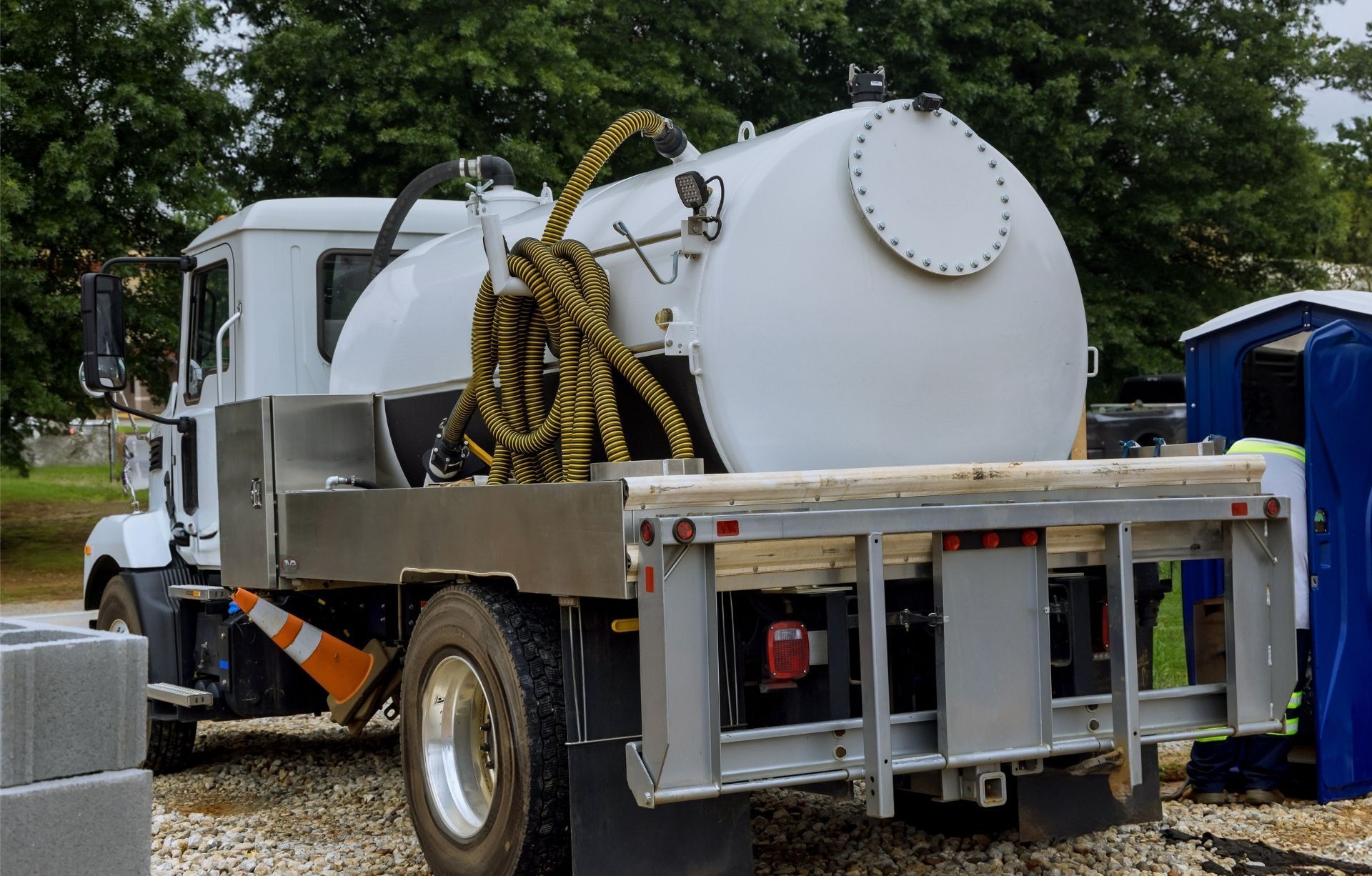
A vacuum truck backs into a construction site porta-potty, cracking the unit and spilling waste across the client's freshly poured concrete. The property damage claim hits $45,000. The environmental cleanup adds another $30,000. Your general liability policy covers the property damage, but does it cover the pollution? For New York operators running portable sanitation and septic services, questions like this aren't hypothetical. They're Tuesday.
New York presents a unique operating environment where strict environmental regulations, aggressive labor laws, and dense urban conditions create overlapping exposures that standard business insurance simply doesn't address. A septic pumper in Suffolk County faces different risks than a porta-potty provider servicing Manhattan construction sites, yet both need coverage that accounts for New York's regulatory framework.
Finding the right insurance coverage for portable sanitation and septic service operations in New York means understanding which policies actually protect your specific risks. Generic commercial packages leave gaps that become painfully obvious only after a claim denial. The state's pollution liability standards,
commercial vehicle requirements, and
workers' compensation mandates all demand specialized attention. Getting this wrong doesn't just cost money: it can shut down your business entirely.
Risk Landscape for New York Sanitation and Septic Businesses
Operating sanitation and septic equipment in New York means navigating a complex web of state and local regulations while managing physical hazards that most industries never encounter. Your crews handle biological waste, operate heavy machinery in tight spaces, and transport hazardous materials on congested roads. Each activity carries distinct liability exposures.
Environmental and Pollution Liabilities
New York's Department of Environmental Conservation takes a zero-tolerance approach to waste spills. Even minor releases trigger reporting requirements, and cleanup costs escalate quickly in urban areas where contaminated soil must be excavated and disposed of at licensed facilities. A single septic tank overflow can generate remediation bills exceeding $100,000.
Standard general liability policies typically exclude pollution events or limit coverage to "sudden and accidental" releases. That definition becomes problematic when a slow leak from a holding tank contaminates groundwater over several months. New York courts have consistently sided with insurers on these exclusions, leaving operators responsible for cleanup costs they assumed were covered.
Pollution liability insurance fills this gap, covering both sudden spills and gradual contamination. For septic service providers, this coverage extends to third-party bodily injury claims from exposure to waste materials: a risk that increases when you're pumping tanks at residential properties with children or pets nearby.
New York Labor Laws and Workplace Safety
New York Labor Law sections 200, 240, and 241 create some of the strictest employer liability standards in the country. Section 240, the "Scaffold Law," holds property owners and contractors absolutely liable for gravity-related injuries. When your technician falls into an open septic tank while servicing a property, the property owner may have a direct claim against your company.
OSHA's confined space entry requirements add another layer. Septic tanks and holding pits qualify as permit-required confined spaces, meaning your crews need specific training, atmospheric monitoring equipment, and rescue procedures. Violations result in citations averaging $15,000 per instance, and repeat offenders face penalties exceeding $150,000.
Core Insurance Coverages for Portable Sanitation Providers
Building the right insurance program starts with foundational policies that address your most common exposures. These coverages form the base layer that specialized endorsements build upon.
General Liability and Property Damage
Commercial general liability insurance protects against third-party bodily injury and property damage claims arising from your operations. When a porta-potty tips over and injures a construction worker, this policy responds. When your delivery truck damages a client's fence, CGL covers the repair.
New York operators should carry minimum limits of $1 million per occurrence and $2 million aggregate. Many commercial clients require $5 million or higher, achieved through umbrella policies that stack on top of your primary CGL. Pay attention to your policy's "products-completed operations" coverage, which protects against claims arising after you've finished a job and left the site.
Inland Marine for Portable Units and Equipment
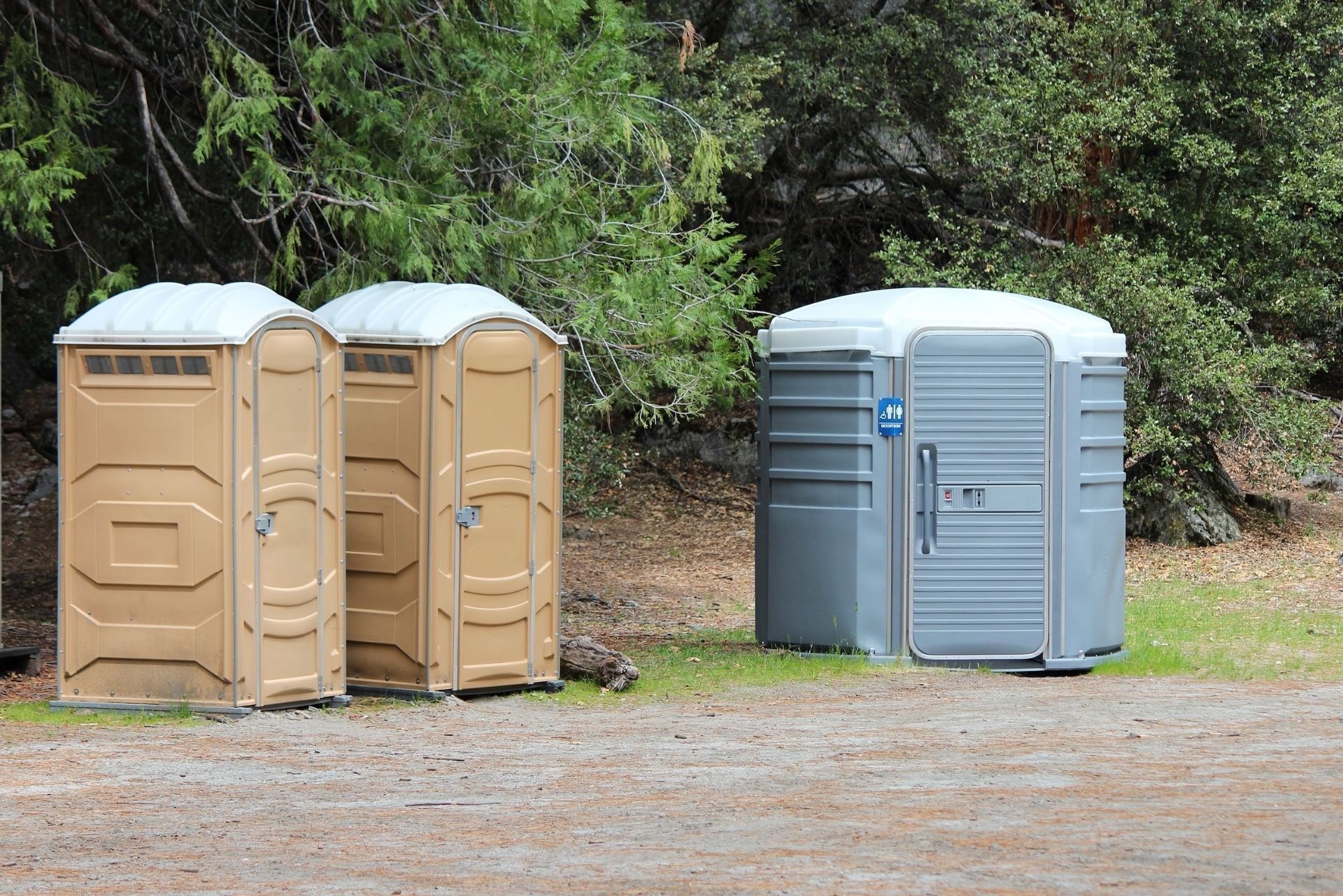
Your portable toilets, hand-wash stations, and holding tanks represent significant capital investment. Standard property insurance covers equipment at your premises, but inland marine insurance protects these assets while in transit and at customer locations.
A typical portable sanitation fleet includes units valued between $500 and $3,000 each. Multiply that across 200 units, and you're looking at equipment exposure of $100,000 to $600,000. Inland marine policies cover theft, vandalism, and accidental damage regardless of location. Some policies include coverage for units damaged by customer negligence, though this often requires specific endorsements.
Specialized Protection for Septic Pumping and Maintenance
Septic service work introduces professional liability exposures that portable sanitation rental doesn't. When you're inspecting systems, recommending repairs, or certifying tanks for real estate transactions, you're providing professional services that carry errors and omissions risks.
Professional Liability for Inspections and Design
A septic inspection that misses a failing drainfield can expose you to claims from buyers who relied on your assessment. Professional liability insurance covers defense costs and settlements when clients allege your professional services caused them financial harm.
New York real estate transactions frequently require septic certifications, and the stakes are high. A buyer who purchases a home based on your clean inspection report, only to discover the system needs $40,000 in repairs six months later, will look to recover that cost from you. Professional liability limits of $500,000 to $1 million provide reasonable protection for most operators.
Septic Back-up and Service Line Coverage
When your pumping service causes a backup into the customer's home, standard CGL may not respond. Some policies exclude damage arising from the backup of sewers or drains, creating a coverage gap precisely where you need protection most.
Service line coverage addresses damage to underground pipes and tanks that you're working on. If your equipment damages a customer's septic line during pumping, this coverage pays for repairs. Given that replacement costs for septic components range from $5,000 to $25,000, this endorsement pays for itself after a single claim.
Commercial Auto and Fleet Requirements in NY
Your vehicles represent both your largest mobile assets and your greatest liability exposure. New York's commercial vehicle regulations add requirements beyond standard auto insurance.
Heavy Truck and Vacuum Tanker Classifications
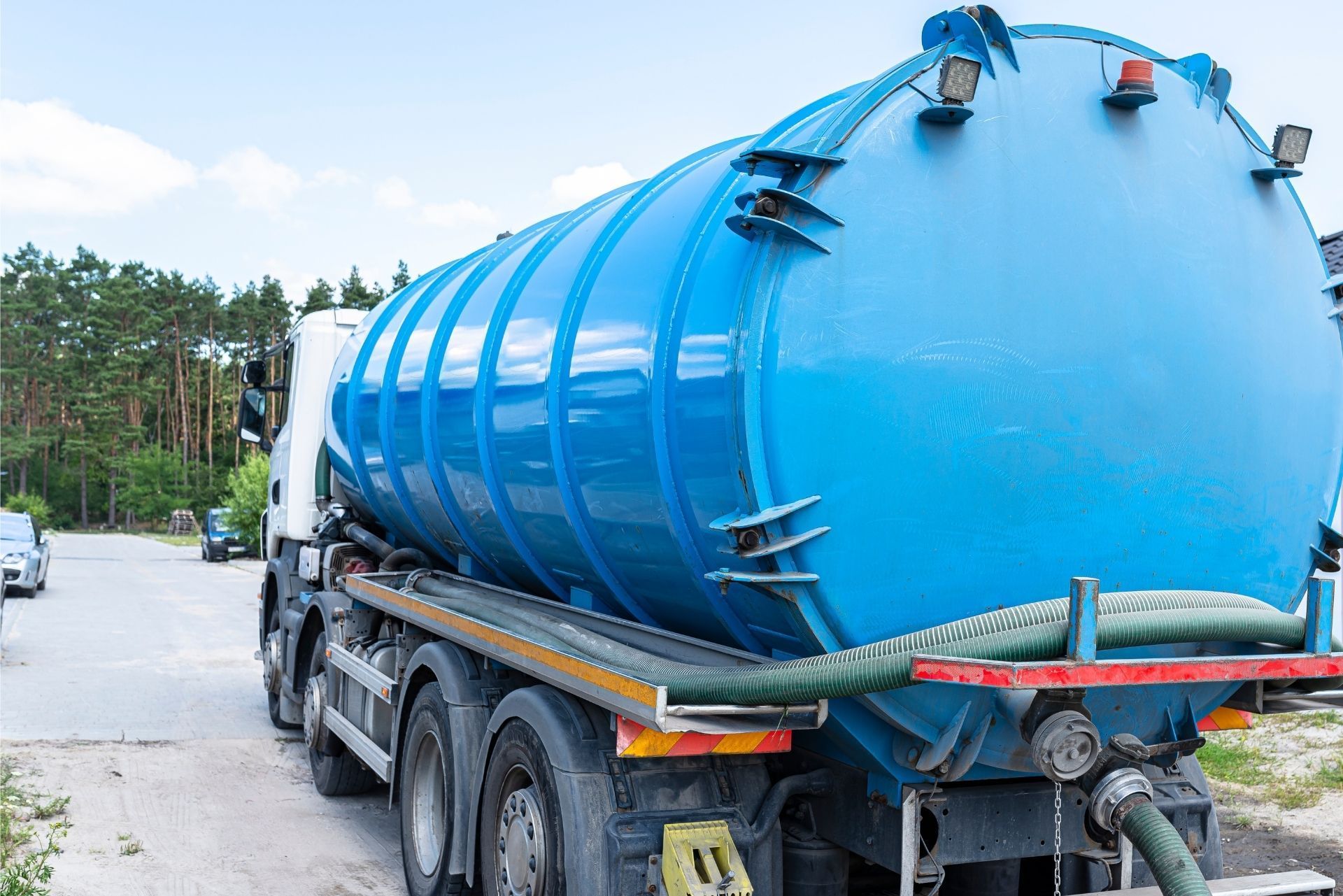
Vacuum trucks and pump trucks typically exceed 26,000 pounds GVWR, placing them in Class 7 or Class 8 commercial vehicle categories. These classifications trigger CDL requirements for drivers and higher insurance minimums. New York requires minimum liability limits of $750,000 for vehicles transporting hazardous materials, though most insurers and clients demand $1 million or higher.
| Coverage Type | Minimum Required | Recommended Limital Limits |
|---|---|---|
| Liability | $750,000 | $1,000,000 |
| Physical Damage | Actual Cash Value | Agreed Value |
| Uninsured Motorist | $25,000 | $100,000 |
| Medical Payments | $5,000 | $10,000 |
Physical damage coverage should reflect replacement cost rather than actual cash value. A five-year-old vacuum truck might have a book value of $80,000 but cost $180,000 to replace with equivalent equipment.
MCS-90 Endorsements for Hazardous Material Transport
The MCS-90 endorsement guarantees that your insurer will pay liability claims arising from hazardous material transport, even if your policy would otherwise exclude the claim. Federal motor carrier regulations require this endorsement for any vehicle transporting hazardous waste, including septic waste that meets certain criteria.
This endorsement doesn't expand your coverage: it protects the public by ensuring someone pays legitimate claims. Your insurer can still deny coverage under your policy terms and then seek reimbursement from you for any amounts paid under the MCS-90. Understanding this distinction matters when structuring your overall coverage.
Managing Workers' Compensation and Disability Mandates
New York requires workers' compensation coverage for virtually all employees, with no minimum employee threshold. Even a single part-time worker triggers the requirement. The state also mandates disability benefits insurance, covering non-work-related injuries and illnesses.
Sanitation and septic work carries elevated workers' comp rates due to the physical hazards involved. Classification codes for your operations typically fall between 7380 (garbage collection) and 7219 (trucking), with experience modification factors significantly impacting your premiums. A clean safety record over three years can reduce your mod factor below 1.0, cutting premiums by 10% to 30%.
New York's Paid Family Leave program adds another mandatory coverage, providing job-protected leave for qualifying family situations. These three programs: workers' comp, disability, and paid family leave: can be bundled through a single carrier, simplifying administration and often reducing total costs.
Insurance costs for New York sanitation and septic operators typically run 3% to 7% of gross revenue. Reducing that percentage without sacrificing coverage requires strategic risk management.
Implementing Rigorous Safety and Spill Protocols
Documented safety programs do more than prevent injuries: they demonstrate to insurers that you're a better-than-average risk. Written spill response procedures, regular equipment inspections, and driver training records all support lower premiums.
Consider investing in GPS tracking and dash cameras for your fleet. These technologies reduce fraudulent claims, improve driver behavior, and provide evidence that protects you in disputed accidents. Insurers increasingly offer discounts of 5% to 15% for telematics programs.
The Role of Proper Documentation and Contractual Risk Transfer
Your service contracts should include hold-harmless clauses requiring clients to indemnify you for claims arising from their negligence. When a customer's employee damages your equipment or creates a hazardous condition, these provisions shift liability appropriately.
Certificates of insurance should flow both directions. Require proof of coverage from subcontractors, and verify those certificates are current before allowing anyone to work under your contracts. A subcontractor's uninsured claim becomes your claim when the injured party looks for deep pockets.
Frequently Asked Questions
How much does insurance cost for a New York septic pumping business? Expect to pay $15,000 to $40,000 annually for a comprehensive program including general liability, commercial auto, and workers' comp. Exact costs depend on fleet size, employee count, and claims history.
Do I need pollution liability insurance for porta-potty rental? Yes. Standard CGL policies exclude most pollution events, and waste spills from portable units trigger the same environmental cleanup requirements as any other hazardous release.
What happens if my driver causes an accident while transporting septic waste? Your commercial auto policy responds first. If the claim exceeds your limits or involves pollution, your umbrella and pollution liability policies provide additional protection.
Can I reduce workers' comp costs with a safety program? Absolutely. New York's experience modification system rewards safe employers with lower rates. A formal safety program also qualifies you for group discounts through industry associations.
Why do clients require $5 million in liability coverage? Large contractors and municipalities face significant exposure from subcontractor negligence. Requiring high limits transfers that risk to your insurance program rather than their own.
Making the Right Coverage Decisions
Building proper insurance protection for your New York sanitation or septic operation isn't about buying the cheapest policy. It's about matching coverage to your actual risks. Work with a broker who understands the industry's specific exposures and can access markets that specialize in environmental and transportation risks. Request quotes from at least three carriers, comparing not just premiums but coverage terms, exclusions, and claims handling reputation. Your insurance program should evolve as your business grows, with annual reviews ensuring your limits and coverages keep pace with your operations.
ABOUT THE AUTHOR:
JELANI FENTON
As Owner of EG Bowman, I’m dedicated to continuing a legacy of trust and excellence built over more than seven decades. My focus is on helping businesses and individuals secure reliable, forward-thinking insurance solutions that protect their assets and support long-term growth.
Contact Us
OUR SERVICES
New York Business Insurance Coverage
General Liability Insurance


Workers Comp Insurance
Commercial Property Insurance
Commercial Auto Insurance
Commercial Umbrella Insurance
Business Owner's Policy
OUR SERVICES
New York Personal Insurance Coverage
Auto Insurance
Get coverage for your car and protect yourself on the road. We provide options for accidents, damages, and more.
Home Insurance
Protect your home and belongings with coverage for damages, theft, and unexpected events.
Umbrella Insurance
Extend your coverage with umbrella insurance for extra protection when you need it most.
Condo Insurance
Get peace of mind with condo insurance that protects your space and personal belongings.
NEW YORK BUSINESSES WE WORK WITH
Industries We Serve In New York
Electrician Insurance
Get coverage that protects electricians from accidents, property damage, and liability risks. Keep your tools, equipment, and business safe with plans designed for your needs. Request a quote to stay covered and focused on your work.
Real Estate Developer Insurance
Protect your projects with insurance that covers construction risks, liability, and property damage. We offer plans to keep your developments secure and on track. Get a quote to ensure your business is protected.
Wholesaler and Distributor Insurance
Protect your inventory and business operations with insurance that covers property damage and liability risks. Keep your supply chain running without disruptions. Get a quote to safeguard your business today.
What is an independent insurance agency, and how does it differ from a traditional insurance company?
An independent insurance agency works with multiple insurance carriers instead of just one. This allows us to provide customized coverage options tailored to your needs, rather than offering a one-size-fits-all policy. Independent agencies focus on finding the best value and coverage for their clients by comparing policies across various providers. At EG Bowman, we pride ourselves on offering personalized service and expertise to ensure our clients get the coverage that fits their specific needs.
What types of insurance does EG Bowman offer?
EG Bowman offers a wide range of insurance solutions, including commercial insurance, personal lines, property insurance, liability insurance, and specialized policies tailored to niche industries. Our focus is on protecting businesses and individuals from unforeseen risks. Whether you're looking for coverage for your home, car, or business, our team works to provide the most comprehensive and competitive options available. We’re here to make sure you’re prepared for the unexpected.
How does EG Bowman help businesses with insurance?
We specialize in understanding the unique risks businesses face and crafting insurance solutions to address them. From general liability to workers' compensation and industry-specific policies, our team ensures your business is protected at every level. We also provide risk management consultations to identify potential vulnerabilities and recommend solutions. With decades of experience, EG Bowman acts as a trusted partner, helping businesses navigate their insurance needs confidently.
Why should I choose EG Bowman as my insurance agency?
At EG Bowman, we combine decades of expertise with a client-focused approach to provide unparalleled service. Unlike larger, faceless companies, we build long-term relationships with our clients, offering personalized advice and solutions. We prioritize your needs, shop for the best rates, and advocate on your behalf when it comes to claims. Our goal is to be your trusted advisor in navigating insurance complexities and ensuring peace of mind.
How can I get a quote for insurance through EG Bowman?
Getting a quote with EG Bowman is simple and hassle-free. You can call us directly at 212-425-8150 or email us at info@egbowman.com to discuss your insurance needs. Our team will gather information about your situation and compare policies from multiple carriers to provide the best options. Whether it’s personal or business insurance, we ensure the process is transparent, efficient, and tailored to you.
Does EG Bowman offer insurance for small businesses?
Yes, EG Bowman specializes in working with small businesses. We understand the unique challenges small businesses face, from managing risks to staying within budget. Our insurance solutions cover everything from general liability to property insurance and more. By tailoring policies to fit your specific needs, we ensure your small business is well-protected while keeping costs manageable.
FAQS PAGE
Frequently Asked Questions
We understand you may have questions about our insurance services and how we can help protect what matters most to you. Below, you'll find answers to some of the most common questions we receive. If you don’t see the information you’re looking for, feel free to reach out to us directly. Our team is here to assist you with personalized advice and solutions.
NEWS & BLOG
Explore Our New York Insurance Blog


Contact Us