New York Waste Hauling Business Insurance
See How We're Different:
or Call Us: 212-425-8150
Most Common Business Policies
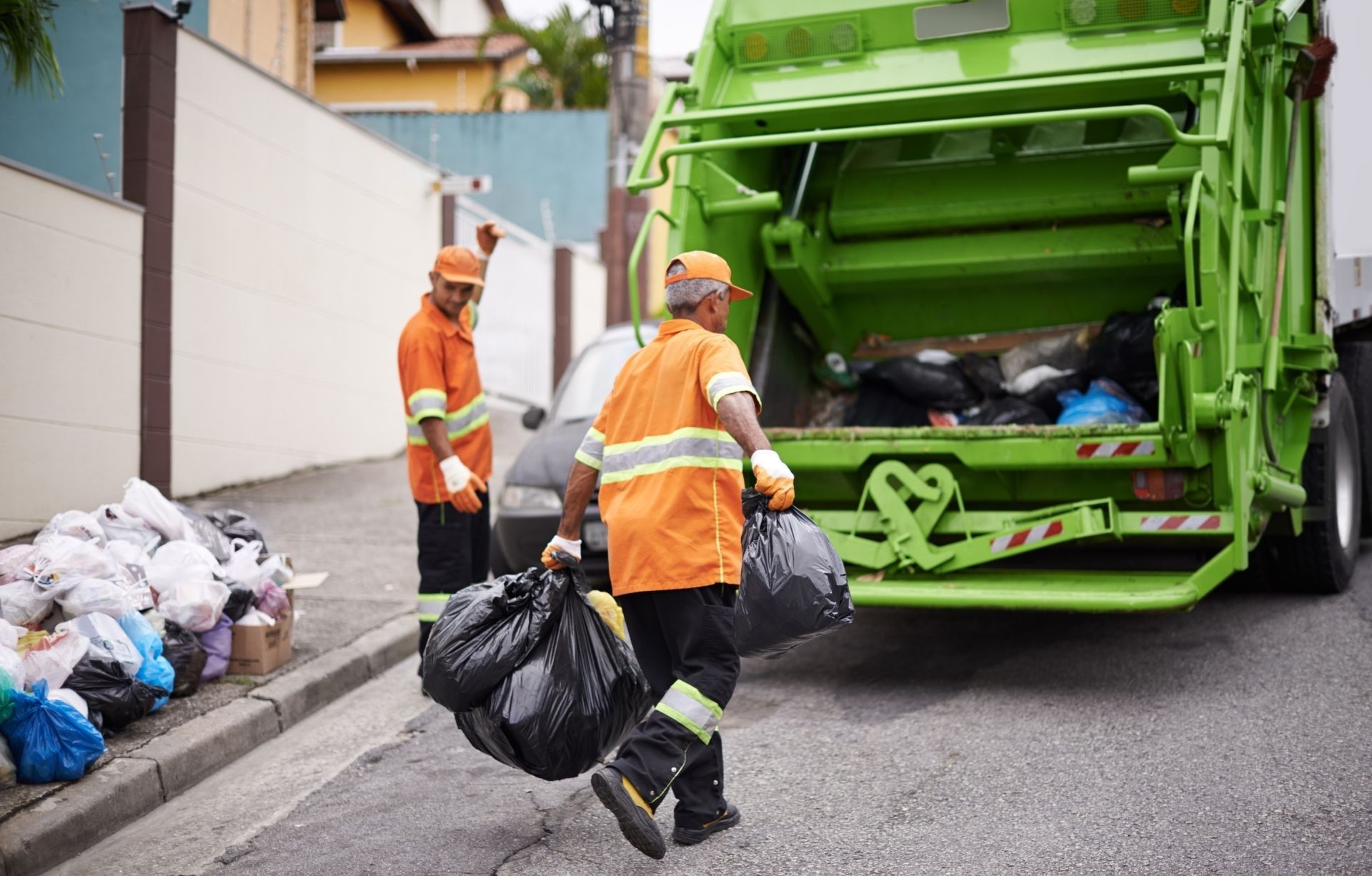
A garbage truck backing into a pedestrian on a busy Manhattan street. A recycling container leaking hazardous fluids onto a customer's property. A driver injured while lifting heavy bins in freezing February conditions. These scenarios play out across New York's waste management industry every week, and without proper coverage, any one of them could bankrupt your operation.
Running a waste hauling business in New York means operating in one of the most heavily regulated and litigious environments in the country. Your trucks navigate congested streets, your workers handle potentially dangerous materials, and your operations fall under scrutiny from multiple city, state, and federal agencies. Waste hauling and recycling business insurance in New York isn't just a legal requirement: it's the foundation that keeps your company solvent when things go wrong.
The stakes are particularly high here. New York's dense population centers create constant exposure to third-party claims. Strict environmental regulations mean pollution incidents carry severe penalties. And the state's
workers' compensation system ranks among the most expensive nationwide. Understanding these risks and building the right insurance program around them separates thriving haulers from those facing financial ruin after a single bad claim.
New York presents a uniquely challenging environment for waste and recycling operators. The combination of aggressive regulatory oversight, complex licensing requirements, and high population density creates risk exposures you won't find in most other states.
Unique Regulatory Challenges in the Empire State
The New York State Department of Environmental Conservation oversees waste transportation permits, while local health departments add their own layers of compliance requirements. Operating in New York City brings additional oversight from multiple agencies, each with distinct insurance mandates.
Environmental violations carry steep penalties. A single improper disposal incident can trigger fines exceeding $37,500 per day. Beyond monetary penalties, violations can result in permit revocations that shut down your entire operation. Your insurance program needs to account for both the direct costs of environmental claims and the potential business interruption that follows regulatory action.
Labor laws in New York also create exposure. The state's scaffold law, for instance, imposes absolute liability on employers for gravity-related injuries. While this primarily affects construction, waste haulers working on job sites or at transfer stations face similar exposure when employees work at heights.
Understanding BIC Licensing and Insurance Requirements
The Business Integrity Commission regulates trade waste hauling within New York City's five boroughs. BIC licensing requires specific insurance minimums that exceed what most haulers carry in other markets.
Current BIC requirements mandate $1 million in general liability coverage, with higher limits for certain operations. Commercial auto policies must include specific endorsements, and proof of coverage must be filed directly with the commission. Lapses in coverage trigger immediate license suspension: there's no grace period.
BIC also conducts background checks on principals and key employees. Past violations, whether insurance-related or otherwise, can complicate license renewals. Maintaining clean claims history and continuous coverage demonstrates the operational integrity BIC demands.
Core Insurance Coverages for Waste Haulers
Building comprehensive protection starts with understanding which policies address your primary exposures. Most waste hauling operations need multiple coverage types working together.
Commercial Auto and Pollution Liability
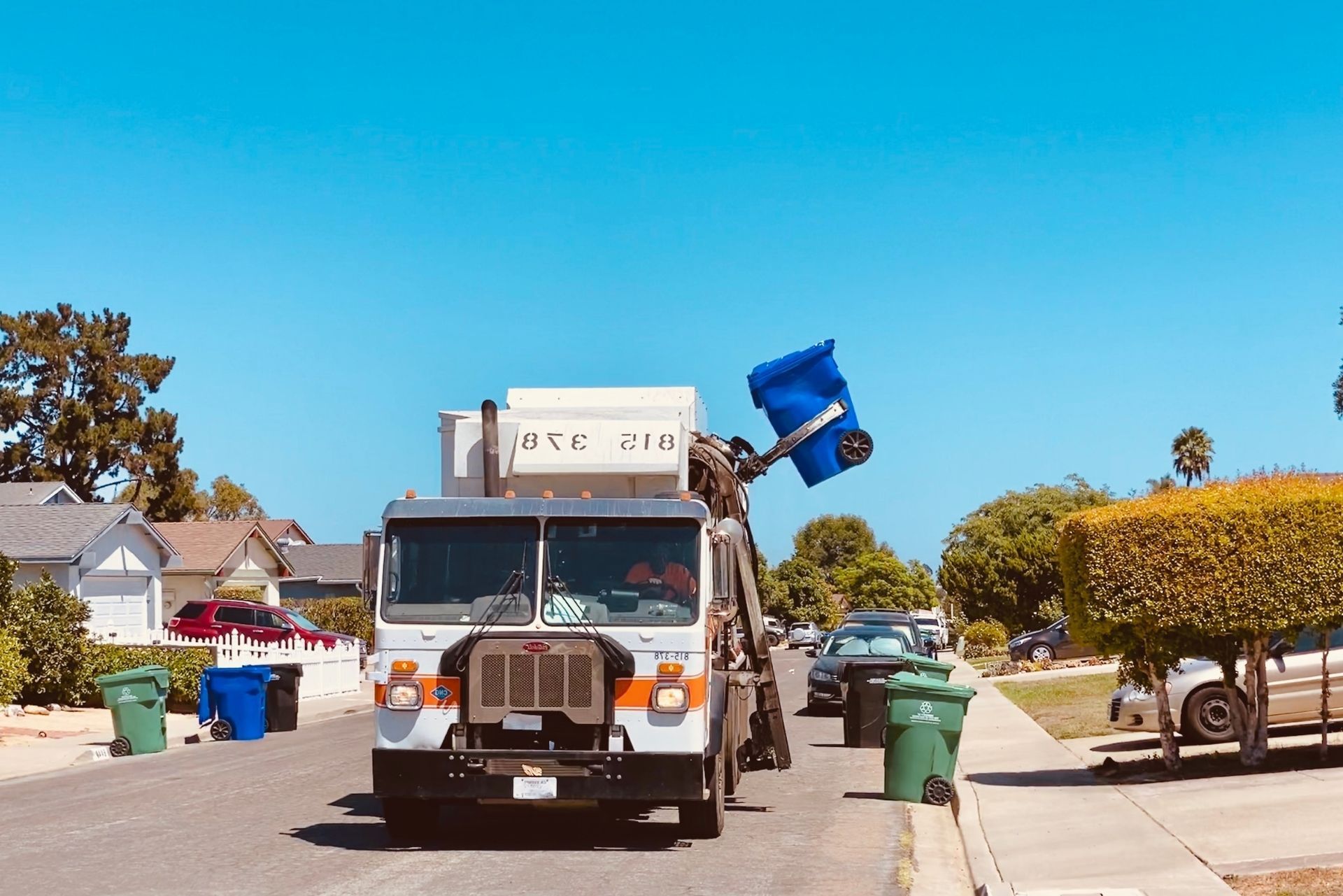
Your trucks represent both your largest assets and your greatest liability exposure. Commercial auto coverage for waste haulers differs significantly from standard trucking policies. Insurers underwrite based on vehicle weight, cargo type, and operating radius.
Pollution liability attached to your auto policy covers incidents where your vehicle releases contaminants during transit. Standard auto policies exclude pollution, leaving a dangerous gap. A ruptured hydraulic line spilling fluid across a roadway, leaking compactor seals contaminating storm drains: these scenarios require pollution coverage to respond.
Expect insurers to scrutinize your maintenance records and driver qualifications closely. Waste hauling vehicles experience extreme stress from constant stopping, heavy loads, and hydraulic system demands. Demonstrating rigorous preventive maintenance programs helps secure better terms.
General Liability and Property Protection
General liability covers third-party bodily injury and property damage claims arising from your operations. For waste haulers, this includes damage caused by bins placed on customer property, injuries to bystanders during collection, and completed operations claims after you've left a location.
Property coverage protects your physical assets: buildings, containers, equipment, and office contents. Transfer station operators need coverage for processing equipment, scales, and specialized machinery. Many standard property forms exclude pollution cleanup costs, so verify your policy includes this protection.
Products-completed operations coverage becomes relevant if you sell recycled materials. Contaminated recyclables that damage a buyer's processing equipment could trigger a claim under this coverage part.
Workers' Compensation for Sanitation Employees
New York's workers' compensation rates for waste collection rank among the highest in the country. Classification code 7590 for garbage collection carries base rates that reflect the industry's injury frequency.
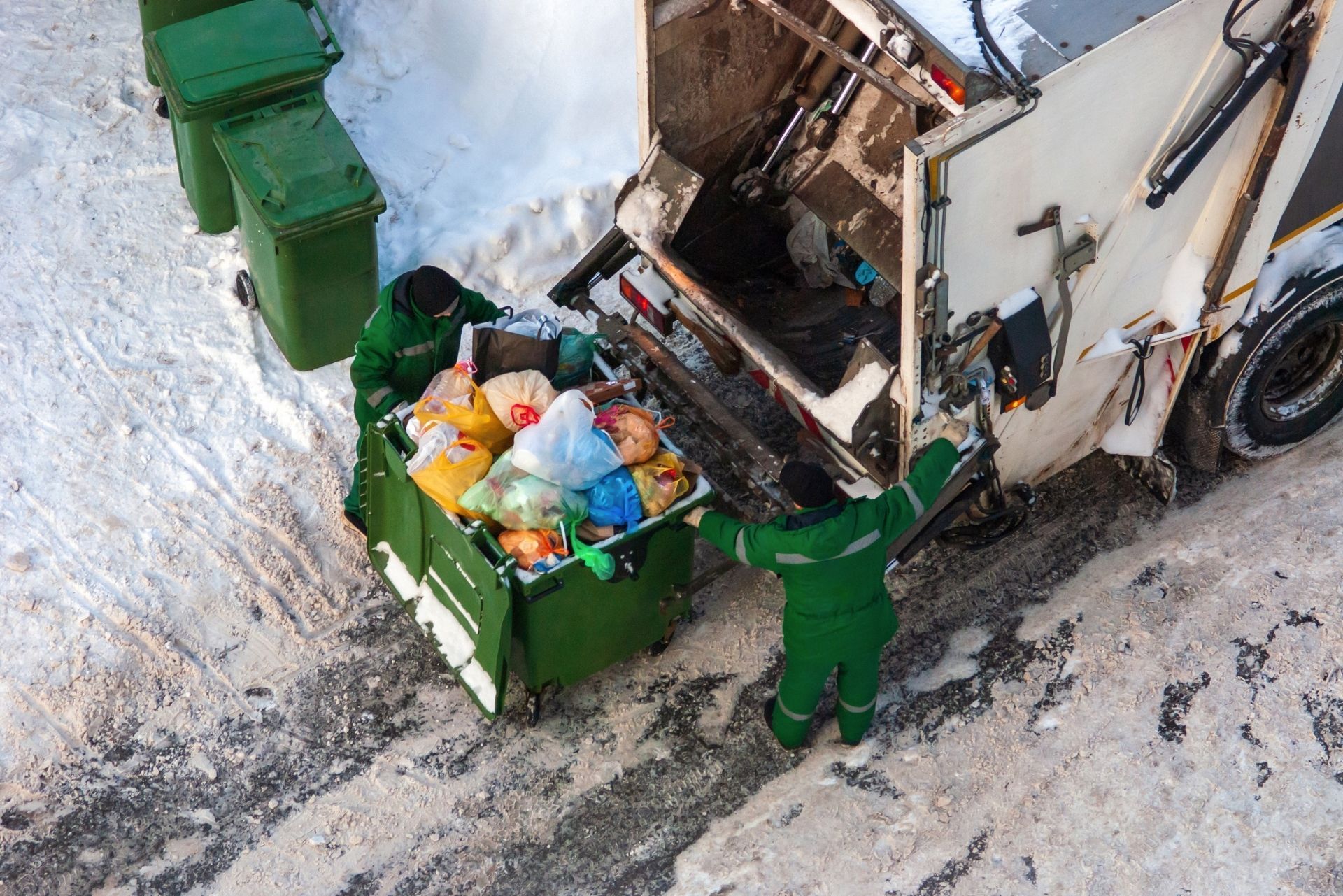
Sanitation work involves constant lifting, exposure to sharp objects, and proximity to moving equipment. Back injuries, lacerations, and crush injuries dominate claims. The repetitive nature of collection routes also produces cumulative trauma claims for shoulders, knees, and spines.
Experience modification factors significantly impact your premiums. A mod factor above 1.0 indicates worse-than-average loss history and increases your costs. Aggressive safety programs and return-to-work initiatives help control this modifier over time.
Specialized Endorsements for Refuse and Recycling
Standard policies often need modifications to address waste industry exposures properly. These endorsements fill gaps that could otherwise leave you unprotected.
MCS-90 Filings and Federal Compliance
Haulers transporting waste across state lines or handling hazardous materials need MCS-90 endorsements filed with the Federal Motor Carrier Safety Administration. This endorsement guarantees minimum liability coverage regardless of policy exclusions.
The MCS-90 doesn't expand your actual coverage: it creates a mechanism for injured parties to recover from your insurer even if your policy would otherwise deny the claim. Your insurer then seeks reimbursement from you. Understanding this distinction matters because operating without proper coverage still exposes you personally, even with the filing in place.
Federal hazmat endorsements carry additional requirements. Haulers moving regulated quantities of hazardous waste need coverage meeting EPA financial responsibility requirements, which often exceed standard policy limits.
Environmental Impairment Liability
Site pollution coverage protects against contamination originating from locations you own or operate. Transfer stations, recycling facilities, and vehicle yards all present environmental exposure.
Historical contamination presents particular challenges. Many waste facilities operate on sites with prior industrial use. Environmental policies typically exclude pre-existing conditions, making environmental site assessments essential before acquiring property.
Coverage for gradual pollution differs from sudden and accidental coverage. A slow leak from underground storage tanks requires gradual pollution coverage to respond. Standard general liability policies exclude gradual releases entirely.
Understanding what drives your premiums helps you make informed decisions about coverage and operations.
Fleet Size and Vehicle Weight Classifications
Insurers price commercial auto coverage based partly on vehicle weight. Heavier trucks cause more damage in accidents and cost more to insure. A Class 8 rear-loader carries significantly higher premiums than a Class 6 side-loader.
| Vehicle Class | Typical Use | Premium Impact |
|---|---|---|
| Class 4-5 | Residential recycling | Lower base rates |
| Class 6-7 | Commercial front-loaders | Moderate rates |
| Class 8 | Rear-loaders, roll-offs | Highest rates |
Fleet size affects pricing through volume discounts but also through aggregate exposure. Larger fleets have more opportunities for claims, though per-vehicle costs often decrease with scale.
Geographic Territories: NYC vs. Upstate Risks
Operating territory dramatically impacts premiums. New York City operations face congested streets, aggressive drivers, and higher claim frequency. Upstate routes cover more miles but encounter less traffic density.
Insurers assign territorial factors based on where vehicles are garaged and where they primarily operate. A truck garaged in Buffalo but running routes into Manhattan may face NYC rating for a portion of its coverage.
Litigation environment also varies by region. Downstate juries historically award higher verdicts, which insurers factor into their pricing models.
Risk Management Strategies to Lower Rates
Proactive risk management demonstrates to insurers that you're committed to preventing losses, not just insuring against them.
Implementing Telematics and Dashcam Systems
GPS tracking and telematics systems provide data on driver behavior, including hard braking, speeding, and harsh cornering. This information helps identify training needs before accidents occur.
Dashcams serve dual purposes: they document incidents for claims defense and deter poor driving behavior when drivers know they're recorded. Forward-facing cameras capture road conditions and other drivers' actions. Cab-facing cameras verify driver attentiveness.
Many insurers offer premium credits for telematics programs, typically ranging from 5% to 15%. The investment often pays for itself through both insurance savings and reduced accident frequency.
Safety Training and OSHA Compliance Programs
Documented safety programs signal operational maturity to underwriters. Regular training on proper lifting techniques, traffic safety, and hazard recognition reduces injury frequency.
OSHA compliance goes beyond avoiding citations. Implementing voluntary safety programs like the Safety and Health Achievement Recognition Program demonstrates commitment that insurers reward.
Return-to-work programs help injured employees resume productive roles faster, reducing claim costs. Light-duty assignments keep workers engaged while they recover, which improves outcomes compared to extended absence.
Securing the Right Policy for Long-Term Growth
Building proper insurance protection for your New York waste hauling operation requires understanding both regulatory mandates and operational realities. The coverage you need today will evolve as your business grows, adds routes, or expands into new service areas.
Work with brokers who specialize in waste industry accounts. Generalist agents often lack the market relationships and technical knowledge to structure programs correctly. Specialists understand which insurers write this class profitably and can negotiate coverage terms that standard markets won't offer.
Review your program annually, even if premiums remain stable. Changes in operations, new regulations, or shifts in your claims history all warrant coverage adjustments. The right insurance partner helps you anticipate these needs rather than reacting after gaps cause problems.
Frequently Asked Questions
What minimum insurance do I need for BIC licensing in New York City? BIC requires at least $1 million in general liability and specific commercial auto limits. Requirements vary based on your license class and service types.
Does my commercial auto policy cover pollution spills from my trucks? Standard auto policies exclude pollution. You need a pollution liability endorsement or separate environmental policy to cover releases during transit.
How can I reduce my workers' compensation costs in New York? Focus on safety programs, return-to-work initiatives, and claims management. Reducing injury frequency improves your experience modification factor over time.
Do I need separate coverage for my transfer station? Yes. Site-specific environmental impairment liability and property coverage address exposures that your auto and general liability policies exclude.
What happens if my insurance lapses while holding a BIC license? BIC suspends licenses immediately upon coverage lapse. Reinstatement requires proof of continuous coverage and may involve additional review.
ABOUT THE AUTHOR:
JELANI FENTON
As Owner of EG Bowman, I’m dedicated to continuing a legacy of trust and excellence built over more than seven decades. My focus is on helping businesses and individuals secure reliable, forward-thinking insurance solutions that protect their assets and support long-term growth.
Contact Us
OUR SERVICES
New York Business Insurance Coverage
General Liability Insurance


Workers Comp Insurance
Commercial Property Insurance
Commercial Auto Insurance
Commercial Umbrella Insurance
Business Owner's Policy
OUR SERVICES
New York Personal Insurance Coverage
Auto Insurance
Get coverage for your car and protect yourself on the road. We provide options for accidents, damages, and more.
Home Insurance
Protect your home and belongings with coverage for damages, theft, and unexpected events.
Umbrella Insurance
Extend your coverage with umbrella insurance for extra protection when you need it most.
Condo Insurance
Get peace of mind with condo insurance that protects your space and personal belongings.
NEW YORK BUSINESSES WE WORK WITH
Industries We Serve In New York
Electrician Insurance
Get coverage that protects electricians from accidents, property damage, and liability risks. Keep your tools, equipment, and business safe with plans designed for your needs. Request a quote to stay covered and focused on your work.
Real Estate Developer Insurance
Protect your projects with insurance that covers construction risks, liability, and property damage. We offer plans to keep your developments secure and on track. Get a quote to ensure your business is protected.
Wholesaler and Distributor Insurance
Protect your inventory and business operations with insurance that covers property damage and liability risks. Keep your supply chain running without disruptions. Get a quote to safeguard your business today.
What is an independent insurance agency, and how does it differ from a traditional insurance company?
An independent insurance agency works with multiple insurance carriers instead of just one. This allows us to provide customized coverage options tailored to your needs, rather than offering a one-size-fits-all policy. Independent agencies focus on finding the best value and coverage for their clients by comparing policies across various providers. At EG Bowman, we pride ourselves on offering personalized service and expertise to ensure our clients get the coverage that fits their specific needs.
What types of insurance does EG Bowman offer?
EG Bowman offers a wide range of insurance solutions, including commercial insurance, personal lines, property insurance, liability insurance, and specialized policies tailored to niche industries. Our focus is on protecting businesses and individuals from unforeseen risks. Whether you're looking for coverage for your home, car, or business, our team works to provide the most comprehensive and competitive options available. We’re here to make sure you’re prepared for the unexpected.
How does EG Bowman help businesses with insurance?
We specialize in understanding the unique risks businesses face and crafting insurance solutions to address them. From general liability to workers' compensation and industry-specific policies, our team ensures your business is protected at every level. We also provide risk management consultations to identify potential vulnerabilities and recommend solutions. With decades of experience, EG Bowman acts as a trusted partner, helping businesses navigate their insurance needs confidently.
Why should I choose EG Bowman as my insurance agency?
At EG Bowman, we combine decades of expertise with a client-focused approach to provide unparalleled service. Unlike larger, faceless companies, we build long-term relationships with our clients, offering personalized advice and solutions. We prioritize your needs, shop for the best rates, and advocate on your behalf when it comes to claims. Our goal is to be your trusted advisor in navigating insurance complexities and ensuring peace of mind.
How can I get a quote for insurance through EG Bowman?
Getting a quote with EG Bowman is simple and hassle-free. You can call us directly at 212-425-8150 or email us at info@egbowman.com to discuss your insurance needs. Our team will gather information about your situation and compare policies from multiple carriers to provide the best options. Whether it’s personal or business insurance, we ensure the process is transparent, efficient, and tailored to you.
Does EG Bowman offer insurance for small businesses?
Yes, EG Bowman specializes in working with small businesses. We understand the unique challenges small businesses face, from managing risks to staying within budget. Our insurance solutions cover everything from general liability to property insurance and more. By tailoring policies to fit your specific needs, we ensure your small business is well-protected while keeping costs manageable.
FAQS PAGE
Frequently Asked Questions
We understand you may have questions about our insurance services and how we can help protect what matters most to you. Below, you'll find answers to some of the most common questions we receive. If you don’t see the information you’re looking for, feel free to reach out to us directly. Our team is here to assist you with personalized advice and solutions.
NEWS & BLOG
Explore Our New York Insurance Blog



Contact Us