
New York Courier and Last-Mile Delivery Insurance
See How We're Different:
or Call Us: 212-425-8150
Most Common Business Policies
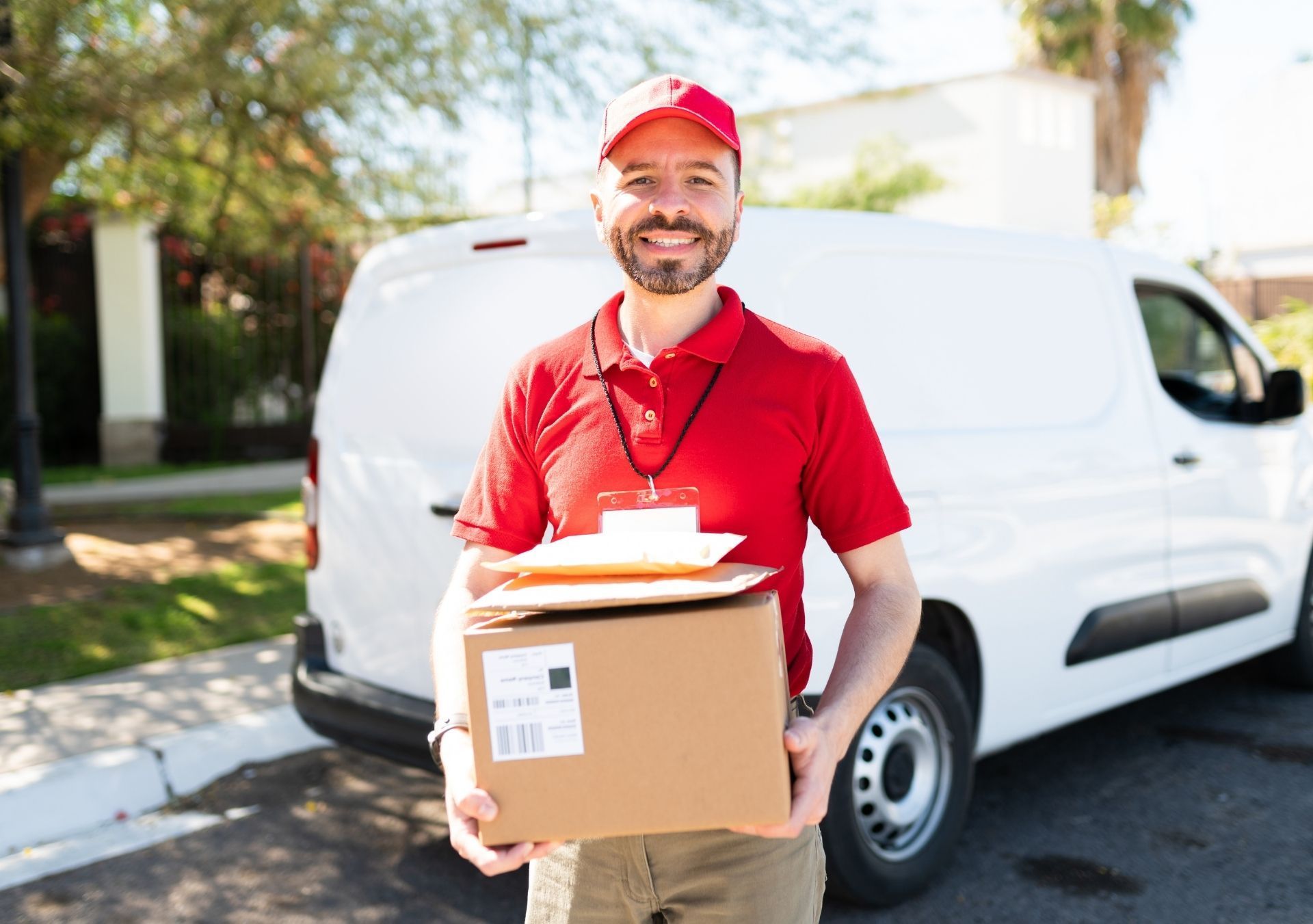
New York's streets pulse with delivery vehicles at every hour. From Amazon packages hitting Brooklyn doorsteps to medical specimens racing across Manhattan, courier drivers keep the city's commerce flowing. But here's what many drivers discover too late: the insurance protecting your personal commute won't cover you when you're earning money behind the wheel.
Courier and last-mile delivery insurance for New York drivers fills a critical gap that standard policies explicitly exclude. The moment you accept a delivery request through an app or pick up a package for pay, your personal auto coverage typically stops protecting you. That gap can leave you personally liable for accidents, vehicle damage, and cargo losses that would otherwise be covered. New York's dense traffic, aggressive timelines, and complex regulations make proper commercial coverage essential rather than optional.
The stakes are significant. A single at-fault accident without proper coverage could mean paying
tens of thousands in liability claims out of pocket. Your vehicle could be totaled with no payout. Damaged cargo becomes your financial responsibility. Understanding what coverage you actually need, and what New York law requires, separates drivers who build sustainable delivery businesses from those who face financial ruin after one bad day on the road.
The Evolving Landscape of Courier and Last-Mile Delivery in New York
The delivery industry has transformed dramatically since 2020. Same-day and next-day expectations have become standard, pushing more independent drivers onto New York roads. This shift created a massive workforce of gig economy participants who often don't realize their insurance status changed the moment they started earning delivery income.
Why Standard Personal Auto Policies Fall Short
Personal auto insurance contains exclusions for commercial use buried in the policy language. Insurers categorize delivery driving as a business activity, which triggers these exclusions automatically. Even if you only deliver part-time or occasionally, that exclusion applies whenever you're on the clock.
The claim denial process is straightforward and unforgiving. After an accident, your insurer investigates. If they discover evidence of delivery activity, whether through app data, witness statements, or cargo in your vehicle, they'll deny the claim. You'll face the full financial consequences alone, plus potential policy cancellation for misrepresentation.
Unique Risks of Dense Urban Logistics in NY
New York presents hazards that suburban delivery drivers rarely encounter. Double-parked vehicles force constant lane changes. Cyclists weave through traffic unpredictably. Pedestrians step into crosswalks without warning. Delivery drivers face these conditions while simultaneously checking addresses, managing time pressures, and finding legal stopping points.
Parking violations add another layer of risk. Blocking a fire hydrant or bus stop while making a quick delivery can result in tickets, towing, and cargo abandonment. Commercial insurance doesn't prevent tickets, but proper coverage ensures an accident during these high-stress moments doesn't compound into a financial catastrophe.

Essential Insurance Coverage for NY Delivery Drivers
Building the right insurance package requires understanding several distinct coverage types. Each addresses specific risks that delivery drivers face regularly.
Commercial Auto Liability and NY No-Fault Laws
New York operates under no-fault insurance rules, meaning your own policy pays for your medical expenses regardless of who caused an accident. Commercial auto liability must meet New York's minimum requirements: $25,000 per person and $50,000 per accident for bodily injury, plus $10,000 for property damage.
These minimums rarely provide adequate protection for working drivers. A serious accident in Manhattan can easily generate medical bills and property damage exceeding $100,000. Most experienced drivers carry $100,000/$300,000 liability limits or higher. The premium difference between minimum coverage and adequate coverage is often surprisingly small.
Cargo and Goods in Transit Protection
Your liability extends to the packages you're transporting. If merchandise is damaged, lost, or stolen while in your possession, you may be financially responsible. Cargo coverage protects against these losses up to specified limits.
Coverage needs vary by delivery type. Food delivery drivers face lower cargo values but higher spoilage risks. Medical couriers transporting specimens or pharmaceuticals need higher limits. High-value parcel services require coverage matching the goods they regularly handle.
Hired and Non-Owned Auto (HNOA) Coverage
HNOA coverage becomes relevant when you use a vehicle you don't own for delivery work. This might include rental vehicles during repairs or borrowed vehicles in emergencies. HNOA fills gaps when the vehicle owner's insurance doesn't cover your commercial use.
This coverage type is particularly important for drivers who switch between vehicles or work for multiple platforms. It provides consistent protection regardless of which vehicle you're driving on any given day.
New York State Regulatory Requirements and Compliance
New York imposes specific requirements on commercial vehicle operators that differ from personal driving requirements. Understanding these rules prevents costly compliance failures.
Minimum Liability Thresholds for NY Commercial Vehicles
Vehicles used for commercial purposes must carry proof of insurance meeting state minimums. For-hire vehicles face additional requirements through the Taxi and Limousine Commission or Department of Motor Vehicles depending on the service type.
| Coverage Type | Personal Auto Minimum | Commercial Delivery Minimum | Recommended for Full-Time Drivers |
|---|---|---|---|
| Bodily Injury (per person) | $25,000 | $25,000 | $100,000 |
| Bodily Injury (per accident) | $50,000 | $50,000 | $300,000 |
| Property Damage | $10,000 | $10,000 | $50,000 |
| Uninsured Motorist | $25,000/$50,000 | $25,000/$50,000 | $100,000/$300,000 |
Workers' Compensation for Independent Contractors vs. Employees
New York's classification of gig workers continues evolving. If you're classified as an employee, your company must provide workers' compensation coverage. Independent contractors typically lack this protection and must arrange their own coverage for work-related injuries.
Occupational accident insurance offers an alternative for independent contractors. These policies cover medical expenses and lost income from work-related injuries, functioning similarly to workers' comp without the employer mandate.

Tailoring Coverage for Specific Delivery Platforms
Different delivery platforms create different risk profiles. Your coverage should match your actual work patterns.
Amazon Flex and Food Delivery App Insurance Riders
Major platforms like Amazon Flex, DoorDash, and Uber Eats provide limited insurance during active deliveries. Amazon Flex offers liability coverage from pickup to delivery. DoorDash provides excess liability coverage while you're on an active delivery.
The catch is these policies only cover specific periods. Driving to pick up an order or heading home after your shift typically falls outside platform coverage. Riders and endorsements from your own insurer fill these gaps, creating continuous protection throughout your working hours.
Medical Courier and High-Value Parcel Considerations
Medical couriers face unique liability exposure. Delayed or damaged specimens can affect patient care, creating potential liability beyond the item's monetary value. Specialized medical courier coverage addresses these risks with appropriate limits and specific protections.
High-value parcel services need cargo limits matching their typical shipments. Transporting jewelry, electronics, or legal documents requires coverage that reflects actual exposure. Standard cargo limits of $5,000 or $10,000 may prove inadequate for these specialties.
Insurance costs vary significantly based on multiple factors. Understanding these variables helps you find competitive rates without sacrificing necessary coverage.
Impact of Borough-Specific Risk Profiles
Where you primarily drive affects your premium substantially. Manhattan presents the highest accident frequency and claim costs. Brooklyn and Queens follow, with Staten Island typically offering the most favorable rates among the five boroughs.
Your home address and primary delivery zones both factor into rate calculations. Drivers who live in lower-risk areas but work primarily in Manhattan may face premiums reflecting their actual driving patterns rather than their residence.
Telematics and Safety Tech Discounts
Many insurers offer discounts for telematics devices that monitor driving behavior. Safe driving patterns, including smooth braking, appropriate speeds, and limited hard acceleration, can reduce premiums by 10-25%.
Dash cameras provide evidence protection after accidents and may qualify for additional discounts. Some insurers offer specific discounts for vehicles equipped with collision avoidance systems, backup cameras, and lane departure warnings.
Securing the Right Policy for Long-Term Profitability
Your insurance costs directly impact your delivery income. Paying too little leaves you exposed to catastrophic losses. Paying too much erodes your earnings unnecessarily. Finding the balance requires comparing multiple quotes and understanding exactly what each policy covers.
Work with insurers or brokers who specialize in commercial auto coverage for delivery drivers. They understand the specific risks you face and can identify coverage gaps that general agents might miss. Request quotes from at least three providers, comparing not just premiums but coverage limits, deductibles, and exclusions.
Review your coverage annually or whenever your delivery patterns change significantly. Adding a new platform, switching to higher-value deliveries, or changing your primary service area all warrant coverage adjustments. The right courier and last-mile delivery insurance protects your vehicle, your cargo, and your financial future while keeping costs manageable enough to maintain profitability.
Frequently Asked Questions
Does my personal auto insurance cover me while making deliveries? No. Personal policies exclude commercial use. The moment you accept a paid delivery, your personal coverage typically stops protecting you.
What happens if I have an accident without commercial coverage? Your claim will likely be denied. You'll be personally responsible for all damages, medical bills, and liability claims. Your insurer may also cancel your policy.
Do delivery apps like DoorDash provide enough insurance? Platform coverage only applies during active deliveries. Driving to pickups or between orders usually isn't covered. You need your own commercial policy for complete protection.
How much does commercial delivery insurance cost in New York? Rates vary widely based on driving history, vehicle type, and coverage limits. Expect $200-$500 monthly for adequate coverage, though experienced drivers with clean records may pay less.
Can I add commercial coverage to my existing personal policy?
Some insurers offer rideshare or delivery endorsements that extend personal coverage to include delivery work. Others require a separate commercial policy. Check with your current insurer first.
ABOUT THE AUTHOR:
JELANI FENTON
As Owner of EG Bowman, I’m dedicated to continuing a legacy of trust and excellence built over more than seven decades. My focus is on helping businesses and individuals secure reliable, forward-thinking insurance solutions that protect their assets and support long-term growth.
Contact Us
OUR SERVICES
New York Business Insurance Coverage
General Liability Insurance


Workers Comp Insurance
Commercial Property Insurance
Commercial Auto Insurance
Commercial Umbrella Insurance
Business Owner's Policy
OUR SERVICES
New York Personal Insurance Coverage
Auto Insurance
Get coverage for your car and protect yourself on the road. We provide options for accidents, damages, and more.
Home Insurance
Protect your home and belongings with coverage for damages, theft, and unexpected events.
Umbrella Insurance
Extend your coverage with umbrella insurance for extra protection when you need it most.
Condo Insurance
Get peace of mind with condo insurance that protects your space and personal belongings.
NEW YORK BUSINESSES WE WORK WITH
Industries We Serve In New York
Electrician Insurance
Get coverage that protects electricians from accidents, property damage, and liability risks. Keep your tools, equipment, and business safe with plans designed for your needs. Request a quote to stay covered and focused on your work.
Real Estate Developer Insurance
Protect your projects with insurance that covers construction risks, liability, and property damage. We offer plans to keep your developments secure and on track. Get a quote to ensure your business is protected.
Wholesaler and Distributor Insurance
Protect your inventory and business operations with insurance that covers property damage and liability risks. Keep your supply chain running without disruptions. Get a quote to safeguard your business today.
What is an independent insurance agency, and how does it differ from a traditional insurance company?
An independent insurance agency works with multiple insurance carriers instead of just one. This allows us to provide customized coverage options tailored to your needs, rather than offering a one-size-fits-all policy. Independent agencies focus on finding the best value and coverage for their clients by comparing policies across various providers. At EG Bowman, we pride ourselves on offering personalized service and expertise to ensure our clients get the coverage that fits their specific needs.
What types of insurance does EG Bowman offer?
EG Bowman offers a wide range of insurance solutions, including commercial insurance, personal lines, property insurance, liability insurance, and specialized policies tailored to niche industries. Our focus is on protecting businesses and individuals from unforeseen risks. Whether you're looking for coverage for your home, car, or business, our team works to provide the most comprehensive and competitive options available. We’re here to make sure you’re prepared for the unexpected.
How does EG Bowman help businesses with insurance?
We specialize in understanding the unique risks businesses face and crafting insurance solutions to address them. From general liability to workers' compensation and industry-specific policies, our team ensures your business is protected at every level. We also provide risk management consultations to identify potential vulnerabilities and recommend solutions. With decades of experience, EG Bowman acts as a trusted partner, helping businesses navigate their insurance needs confidently.
Why should I choose EG Bowman as my insurance agency?
At EG Bowman, we combine decades of expertise with a client-focused approach to provide unparalleled service. Unlike larger, faceless companies, we build long-term relationships with our clients, offering personalized advice and solutions. We prioritize your needs, shop for the best rates, and advocate on your behalf when it comes to claims. Our goal is to be your trusted advisor in navigating insurance complexities and ensuring peace of mind.
How can I get a quote for insurance through EG Bowman?
Getting a quote with EG Bowman is simple and hassle-free. You can call us directly at 212-425-8150 or email us at info@egbowman.com to discuss your insurance needs. Our team will gather information about your situation and compare policies from multiple carriers to provide the best options. Whether it’s personal or business insurance, we ensure the process is transparent, efficient, and tailored to you.
Does EG Bowman offer insurance for small businesses?
Yes, EG Bowman specializes in working with small businesses. We understand the unique challenges small businesses face, from managing risks to staying within budget. Our insurance solutions cover everything from general liability to property insurance and more. By tailoring policies to fit your specific needs, we ensure your small business is well-protected while keeping costs manageable.
FAQS PAGE
Frequently Asked Questions
We understand you may have questions about our insurance services and how we can help protect what matters most to you. Below, you'll find answers to some of the most common questions we receive. If you don’t see the information you’re looking for, feel free to reach out to us directly. Our team is here to assist you with personalized advice and solutions.
NEWS & BLOG
Explore Our New York Insurance Blog



Contact Us