New York Paratransit and NEMT insurance
See How We're Different:
or Call Us: 212-425-8150

Most Common Business Policies
A wheelchair-accessible van rolls up to a dialysis center in Brooklyn at 6 AM. The driver secures a patient's mobility device, double-checks the tie-downs, and begins a 45-minute trip through morning traffic. This scene plays out thousands of times daily across New York, and every single trip carries significant insurance implications that most operators don't fully understand until a claim arrives.
Operating paratransit and non-emergency medical transport in New York demands more than just vehicles and drivers. The state's regulatory framework creates a complex web of insurance requirements that differ based on your service type, operating region, and contract relationships. Getting this wrong doesn't just mean financial exposure: it can mean losing your operating authority entirely.
New York's NEMT and paratransit insurance landscape presents unique challenges. NYC operators face requirements that upstate providers don't. Medicaid contracts come with their own coverage mandates. And the specialized nature of transporting medically fragile populations creates liability exposures that standard
commercial auto policies simply weren't designed to address. Understanding these nuances separates operators who thrive from those who face devastating claims without adequate protection.
The Landscape of Paratransit and NEMT in New York State
New York's medical transportation sector serves millions of residents annually. The state's aging population, combined with its dense urban centers and sprawling rural regions, creates demand for specialized transport services that continues growing each year.
Defining the Difference: Paratransit vs. NEMT Operations
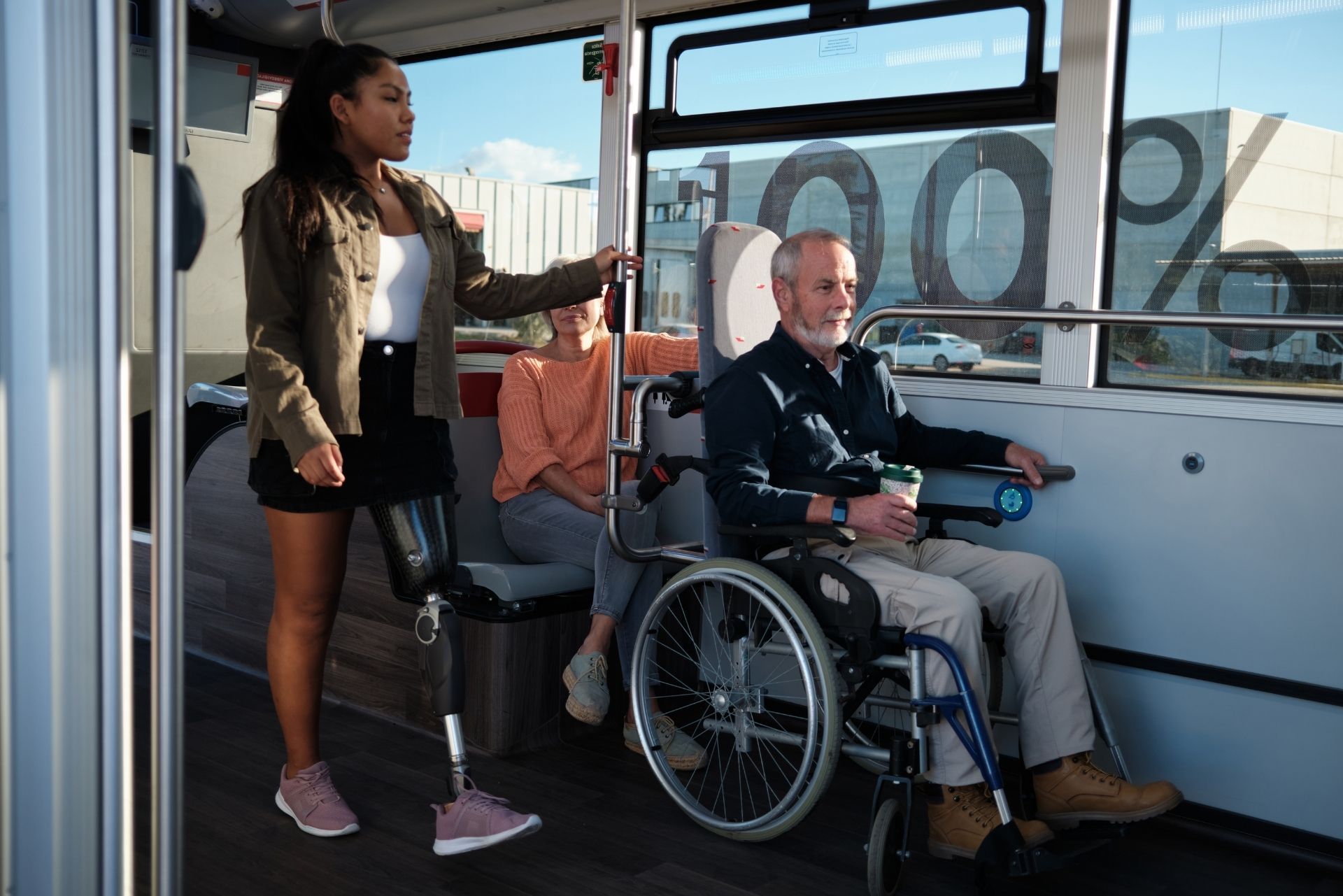
Paratransit typically refers to demand-responsive transportation for individuals with disabilities who cannot use fixed-route public transit. The MTA's Access-A-Ride program represents the largest paratransit operation in New York, though private contractors actually perform most trips.
NEMT covers a broader category: any non-ambulance transport for medical purposes. This includes trips to dialysis, chemotherapy, routine doctor visits, and hospital discharges. While there's overlap between these services, the distinction matters for insurance purposes. Paratransit contracts often carry specific coverage requirements set by transit authorities, while NEMT providers must satisfy Medicaid or private payer mandates.
New York State Department of Health and DOT Oversight
Two primary agencies govern medical transport in New York. The Department of Health oversees Medicaid transportation through regional brokers, setting standards for vehicle condition, driver qualifications, and insurance minimums. The DOT regulates for-hire vehicles and commercial carriers operating across state lines.
Providers holding Medicaid contracts must maintain coverage that satisfies DOH requirements, which often exceed standard commercial auto minimums. DOT-regulated carriers face additional federal insurance mandates if they cross state borders. Many New York NEMT operators fall under both agencies' jurisdiction, requiring careful policy structuring to satisfy all applicable requirements simultaneously.

Mandatory Insurance Requirements for NY Providers
New York's insurance mandates for medical transport operators rank among the nation's most stringent. Meeting these requirements isn't optional: operating without proper coverage constitutes a criminal offense.
Minimum Liability Limits and NYC-Specific Regulations
| Coverage Type | New York State Minimum | NYC TLC Requirement | Medicaid Contract Typical |
|---|---|---|---|
| Bodily Injury (per person) | $100,000 | $100,000 | $1,000,000 |
| Bodily Injury (per accident) | $300,000 | $300,000 | $1,000,000 |
| Property Damage | $50,000 | $100,000 | $500,000 |
| Combined Single Limit | N/A | N/A | $1,000,000+ |
NYC operators face the Taxi and Limousine Commission's additional requirements. TLC-licensed vehicles need specific endorsements and must carry coverage from TLC-approved insurers. Operating in the five boroughs without TLC-compliant insurance results in immediate vehicle impoundment and substantial fines.
Medicaid brokers like Medical Answering Services (MAS) and LogistiCare require coverage well above state minimums. Most contracts mandate $1 million combined single limits, with some requiring umbrella policies pushing total coverage to $5 million.
Workers' Compensation and Disability Benefits Law (DBL)
Every New York employer must carry workers' compensation insurance: no exceptions exist for small NEMT operations. Even single-vehicle operators with one employee need coverage. The penalties for non-compliance include criminal charges, civil fines up to $2,000 per 10-day period, and personal liability for any workplace injuries.
New York's Disability Benefits Law adds another mandatory coverage layer. DBL provides partial wage replacement for off-the-job injuries or illnesses. Most workers' comp carriers offer DBL as a package, but you'll need to verify both coverages appear on your certificate of insurance.
Specialized Coverage Components for Medical Transport
Standard commercial auto policies leave dangerous gaps for medical transport operators. The nature of your passengers and the equipment you use creates exposures that require specific coverage additions.
Professional Liability and Errors & Omissions
What happens when a scheduling error causes a patient to miss dialysis? Or when a driver takes a patient to the wrong facility? These aren't bodily injury claims covered by auto liability. They're professional liability exposures that require separate coverage.
Professional liability for NEMT covers claims arising from service failures, scheduling mistakes, and negligent referrals. Policies typically provide $1 million per occurrence with $2 million aggregate limits. Premiums run $2,000 to $5,000 annually for small operations, varying based on trip volume and service types.
Abuse and Molestation Coverage Protections
Transporting vulnerable populations creates abuse and molestation exposure that many operators don't consider until facing a claim. Standard general liability policies often exclude these claims entirely, or sub-limit coverage to amounts that won't adequately protect your business.
Dedicated abuse and molestation coverage provides defense costs and indemnity for allegations of inappropriate conduct by employees. Given that your drivers work alone with medically fragile passengers, this coverage isn't optional: it's essential. Expect limits of $100,000 to $1 million, with pricing heavily influenced by your hiring practices and supervision protocols.
Loading and Unloading Liability for Specialized Equipment
The moment a driver begins securing a wheelchair creates one of your highest-risk exposures. Equipment failures, improper securement, and lift malfunctions cause severe injuries that generate substantial claims.
Your auto liability policy covers loading and unloading activities, but coverage limits and definitions vary significantly between carriers. Some policies define loading narrowly, excluding incidents that occur after the passenger exits the vehicle but before reaching their destination's entrance. Review your policy's loading and unloading definitions carefully, and consider endorsements that expand coverage to include passenger assistance beyond the vehicle itself.
Insurance costs for New York NEMT operators have increased substantially over the past five years. Smart risk management doesn't just reduce claims: it directly impacts your premium pricing.
Telematics and Driver Safety Monitoring Systems
Installing telematics devices in your fleet provides two immediate benefits. First, you gain real-time visibility into driver behavior: hard braking, rapid acceleration, speeding, and route deviations. Second, many carriers offer premium discounts of 5% to 15% for fleets using approved telematics systems.
Beyond discounts, telematics data proves invaluable during claims. When a passenger alleges rough driving caused an injury, your data either confirms or refutes the allegation. This evidence frequently results in claims being denied or settled for significantly less than they otherwise would.
The Impact of Driver MVRs and Training Programs
Your drivers' motor vehicle records directly determine your insurance eligibility and pricing. Carriers pull MVRs during underwriting and at each renewal. A single driver with a DUI or multiple moving violations can push your entire fleet into high-risk markets with doubled premiums.
Establishing a formal driver qualification program demonstrates your commitment to safety. Document your MVR review frequency, violation thresholds for termination, and ongoing training requirements. Carriers view these programs favorably during underwriting. The Passenger Assistance Safety and Sensitivity (PASS) certification, while not required statewide, signals professionalism that underwriters appreciate.
Finding coverage for New York medical transport operations requires understanding which markets serve this niche and how to access them effectively.
Standard Carriers vs. Excess and Surplus Lines
Most standard commercial auto carriers won't write NEMT business in New York. The combination of high claim frequency, severe injury potential, and regulatory complexity pushes this class into surplus lines markets.
Surplus lines carriers operate under different rules than admitted carriers. They aren't backed by New York's guaranty fund, meaning policyholder claims go unpaid if the carrier becomes insolvent. However, surplus lines carriers offer flexibility that standard markets can't match. They'll write accounts with less-than-perfect loss history and customize coverage to meet specific contract requirements.
Expect surplus lines policies to cost 20% to 40% more than comparable standard market coverage would. The trade-off is actually obtaining coverage rather than being declined by every admitted carrier you approach.
Working with NEMT-Specialized Insurance Brokers
Generalist insurance agents rarely understand medical transport exposures adequately. They may place your coverage with carriers who later non-renew when they realize what you actually do, or structure policies that leave critical gaps.
Brokers specializing in paratransit and NEMT insurance in New York bring carrier relationships and coverage knowledge that generalists lack. They know which markets are currently writing new business, what loss ratios trigger non-renewals, and how to structure coverage that satisfies multiple contract requirements simultaneously.
Frequently Asked Questions
How much does NEMT insurance cost in New York? Premiums typically range from $8,000 to $15,000 annually per vehicle, depending on your operating territory, loss history, and coverage limits. NYC operators pay significantly more than upstate providers.
Can I use personal auto insurance for NEMT? No. Personal auto policies exclude commercial use entirely. Operating without proper commercial coverage means you're effectively uninsured, and any claims will be denied.
What happens if my insurance lapses? The carrier notifies the DOT and any contracting agencies. Your operating authority suspends immediately, and you cannot legally transport passengers until coverage is reinstated.
Do I need separate insurance for wheelchair-accessible vehicles? WAVs don't require separate policies, but they do need specific equipment coverage endorsements. Standard policies may not cover wheelchair lift repairs or replacement.
How often do carriers audit NEMT operations? Most carriers audit annually, reviewing trip logs, driver files, and vehicle maintenance records. Failing an audit can result in policy cancellation or significant premium increases.
Making the Right Coverage Decisions
Securing proper insurance for paratransit and NEMT operations in New York requires understanding both regulatory mandates and operational realities. The coverage that merely satisfies minimum requirements rarely provides adequate protection when serious claims occur.
Work with specialists who understand this industry's unique exposures. Review your policies annually against current contract requirements. Invest in risk management programs that reduce both claims and premiums. Your insurance program should evolve as your operation grows and regulations change.
The right coverage protects more than your vehicles and bank account. It protects the vulnerable passengers who depend on your services and the employees whose livelihoods depend on your business surviving the inevitable claims that every medical transport operator eventually faces.
ABOUT THE AUTHOR:
JELANI FENTON
As Owner of EG Bowman, I’m dedicated to continuing a legacy of trust and excellence built over more than seven decades. My focus is on helping businesses and individuals secure reliable, forward-thinking insurance solutions that protect their assets and support long-term growth.
Contact Us
OUR SERVICES
New York Business Insurance Coverage
General Liability Insurance


Workers Comp Insurance
Commercial Property Insurance
Commercial Auto Insurance
Commercial Umbrella Insurance
Business Owner's Policy
OUR SERVICES
New York Personal Insurance Coverage
Auto Insurance
Get coverage for your car and protect yourself on the road. We provide options for accidents, damages, and more.
Home Insurance
Protect your home and belongings with coverage for damages, theft, and unexpected events.
Umbrella Insurance
Extend your coverage with umbrella insurance for extra protection when you need it most.
Condo Insurance
Get peace of mind with condo insurance that protects your space and personal belongings.
NEW YORK BUSINESSES WE WORK WITH
Industries We Serve In New York
Electrician Insurance
Get coverage that protects electricians from accidents, property damage, and liability risks. Keep your tools, equipment, and business safe with plans designed for your needs. Request a quote to stay covered and focused on your work.
Real Estate Developer Insurance
Protect your projects with insurance that covers construction risks, liability, and property damage. We offer plans to keep your developments secure and on track. Get a quote to ensure your business is protected.
Wholesaler and Distributor Insurance
Protect your inventory and business operations with insurance that covers property damage and liability risks. Keep your supply chain running without disruptions. Get a quote to safeguard your business today.
What is an independent insurance agency, and how does it differ from a traditional insurance company?
An independent insurance agency works with multiple insurance carriers instead of just one. This allows us to provide customized coverage options tailored to your needs, rather than offering a one-size-fits-all policy. Independent agencies focus on finding the best value and coverage for their clients by comparing policies across various providers. At EG Bowman, we pride ourselves on offering personalized service and expertise to ensure our clients get the coverage that fits their specific needs.
What types of insurance does EG Bowman offer?
EG Bowman offers a wide range of insurance solutions, including commercial insurance, personal lines, property insurance, liability insurance, and specialized policies tailored to niche industries. Our focus is on protecting businesses and individuals from unforeseen risks. Whether you're looking for coverage for your home, car, or business, our team works to provide the most comprehensive and competitive options available. We’re here to make sure you’re prepared for the unexpected.
How does EG Bowman help businesses with insurance?
We specialize in understanding the unique risks businesses face and crafting insurance solutions to address them. From general liability to workers' compensation and industry-specific policies, our team ensures your business is protected at every level. We also provide risk management consultations to identify potential vulnerabilities and recommend solutions. With decades of experience, EG Bowman acts as a trusted partner, helping businesses navigate their insurance needs confidently.
Why should I choose EG Bowman as my insurance agency?
At EG Bowman, we combine decades of expertise with a client-focused approach to provide unparalleled service. Unlike larger, faceless companies, we build long-term relationships with our clients, offering personalized advice and solutions. We prioritize your needs, shop for the best rates, and advocate on your behalf when it comes to claims. Our goal is to be your trusted advisor in navigating insurance complexities and ensuring peace of mind.
How can I get a quote for insurance through EG Bowman?
Getting a quote with EG Bowman is simple and hassle-free. You can call us directly at 212-425-8150 or email us at info@egbowman.com to discuss your insurance needs. Our team will gather information about your situation and compare policies from multiple carriers to provide the best options. Whether it’s personal or business insurance, we ensure the process is transparent, efficient, and tailored to you.
Does EG Bowman offer insurance for small businesses?
Yes, EG Bowman specializes in working with small businesses. We understand the unique challenges small businesses face, from managing risks to staying within budget. Our insurance solutions cover everything from general liability to property insurance and more. By tailoring policies to fit your specific needs, we ensure your small business is well-protected while keeping costs manageable.
FAQS PAGE
Frequently Asked Questions
We understand you may have questions about our insurance services and how we can help protect what matters most to you. Below, you'll find answers to some of the most common questions we receive. If you don’t see the information you’re looking for, feel free to reach out to us directly. Our team is here to assist you with personalized advice and solutions.
NEWS & BLOG
Explore Our New York Insurance Blog



Contact Us