Most Common Business Policies
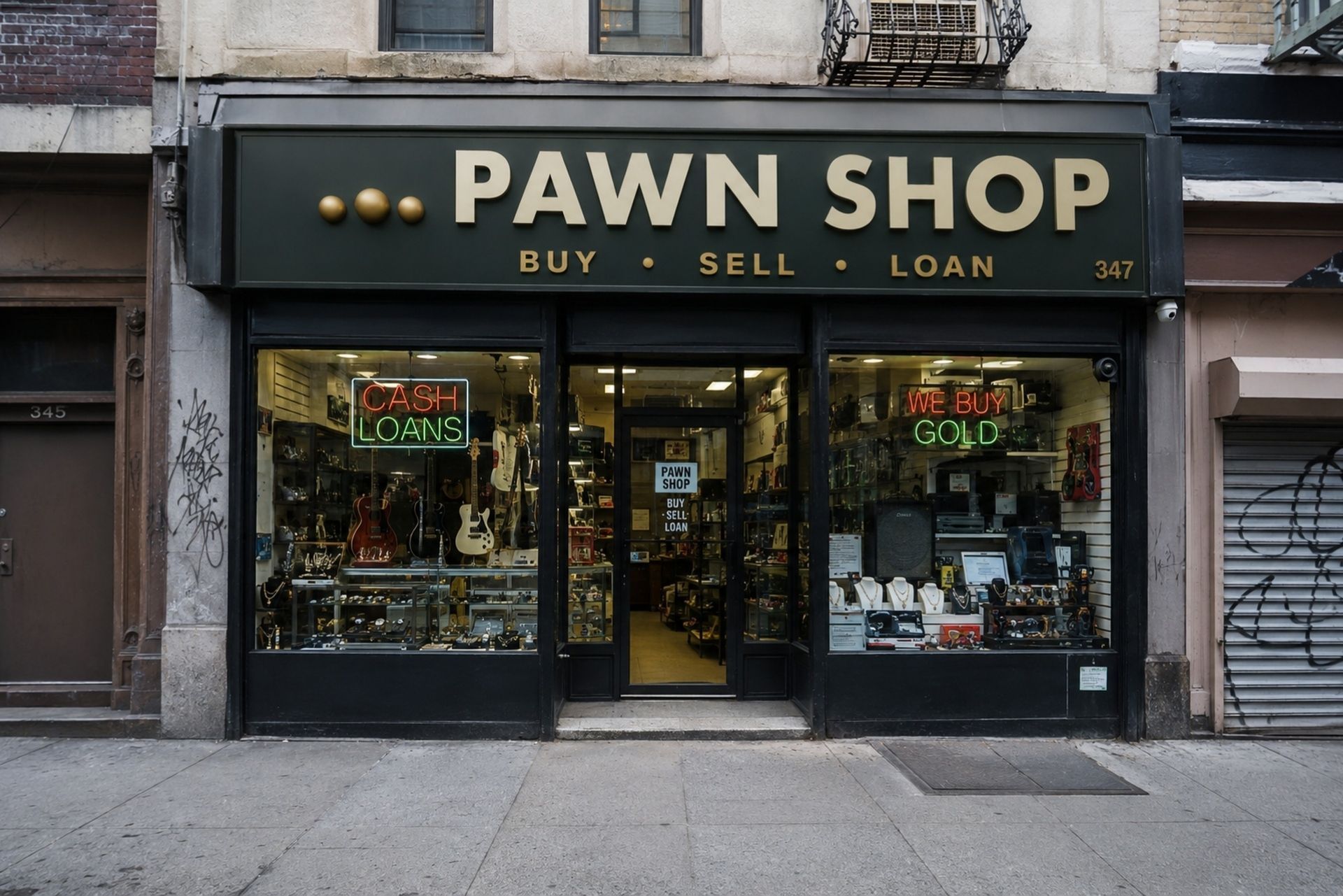
Running a pawn shop in New York means you're sitting on a rotating inventory of jewelry, electronics, firearms, and
collectibles that could be worth hundreds of thousands of dollars on any given day. A single break-in, fire, or employee theft incident can wipe out months of profit and leave you liable for customer property you've pledged to protect. Pawn shop insurance in New York that genuinely protects your assets isn't a luxury; it's the foundation your business sits on. The challenge is that standard commercial policies rarely account for the unusual risk profile of a pawnbroker. You're holding other people's property as collateral, dealing in high-value goods with fluctuating prices, and operating under some of the strictest state
lending regulations in the country. Getting the right coverage requires understanding both your exposure and the specific policy structures designed for this industry. This guide breaks down the coverages you need, the costs you'll face, and the strategies that keep premiums manageable while keeping your shop, your inventory, and your customers' pledged goods fully protected.
Understanding the Unique Risks for New York Pawnbrokers
Pawnbrokers face a risk profile that looks nothing like a
typical retail store. You're simultaneously a lender, a retailer, and a custodian of other people's valuables. That triple role creates overlapping exposures that demand specialized attention.
High-Value Inventory and Theft Risks
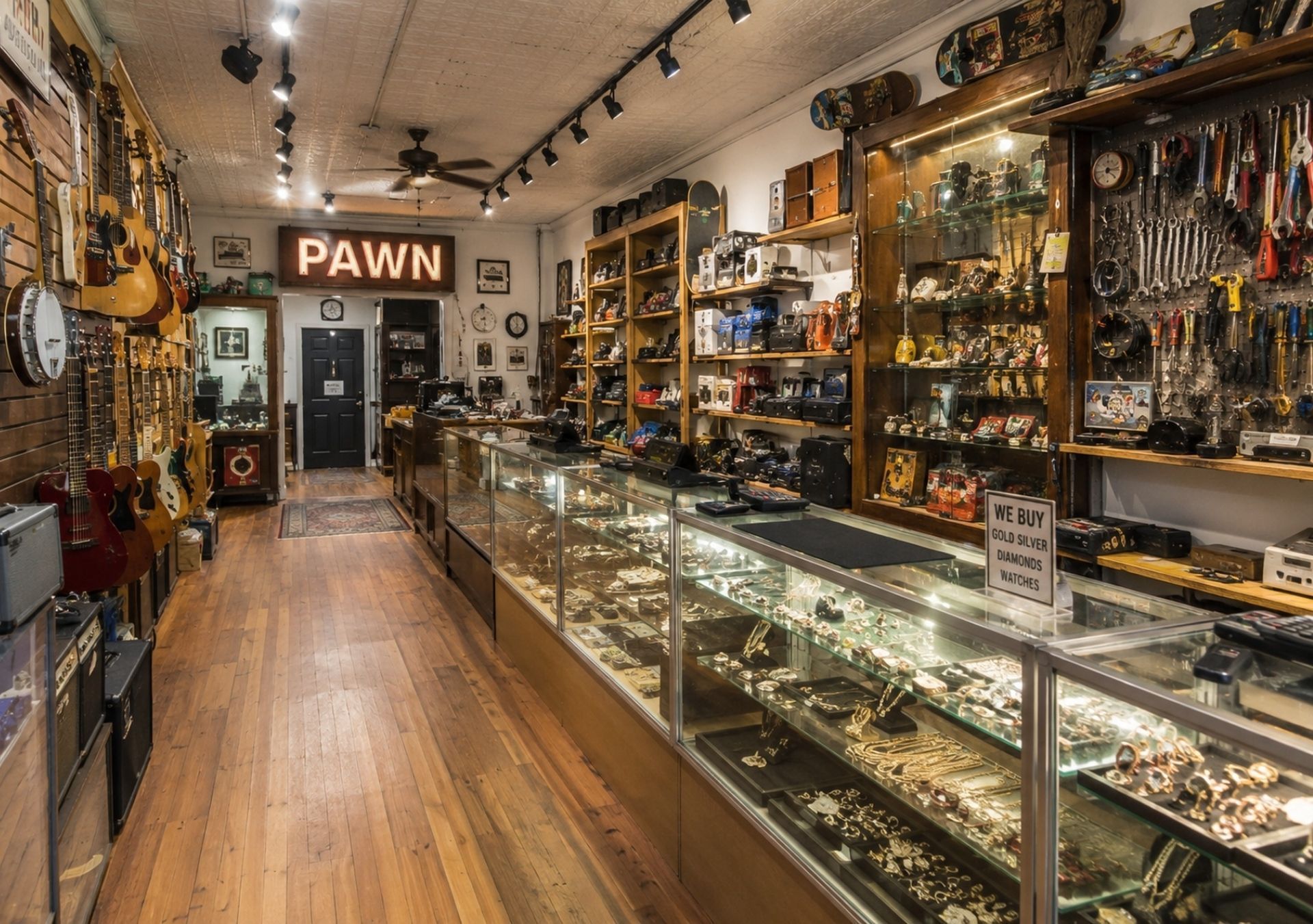
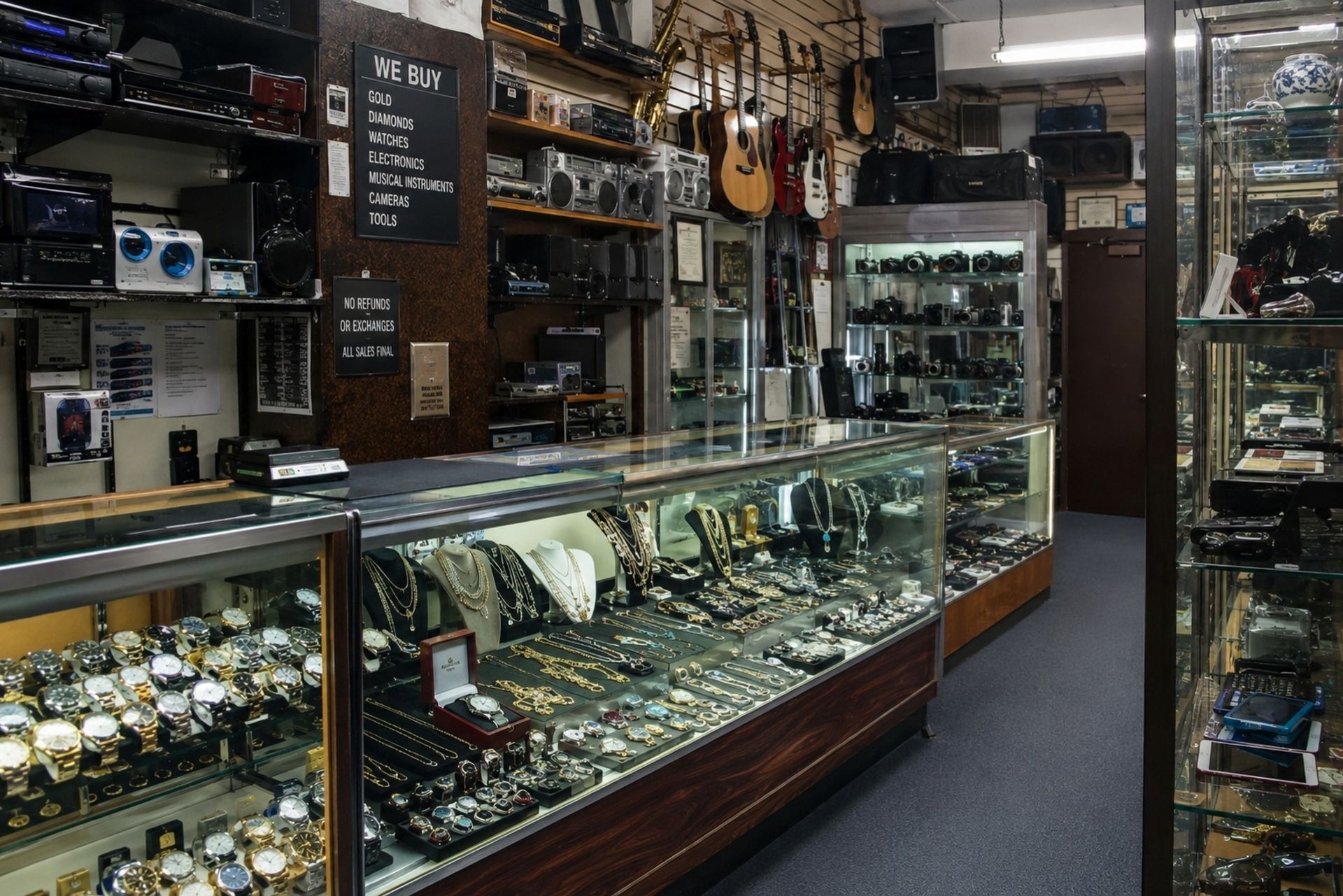
A Manhattan pawn shop holding $400,000 in gold jewelry and luxury watches is a prime target. Burglary and armed robbery remain persistent threats, particularly for shops in high-traffic urban areas. But external theft isn't the only concern. Internal shrinkage from employees who handle valuable merchandise daily accounts for a significant share of losses in this industry.
Fire and water damage present another layer of risk. A burst pipe in an older building, common across New York's aging
commercial real estate, can destroy electronics and damage jewelry displays in hours. Your inventory changes daily, which means the value at risk shifts constantly. A policy written for a static inventory amount may leave you dangerously underinsured during peak seasons or after acquiring a large estate collection.
New York State Regulatory Compliance and Bonding
New York requires pawnbrokers to hold a license issued by the NYC Department of Consumer and Worker Protection or the relevant local authority. You'll also need a surety bond, typically ranging from $5,000 to $25,000 depending on your municipality. This bond protects consumers but does nothing to protect your business assets.
The state imposes strict record-keeping requirements, including detailed transaction logs reported to law enforcement. Failing to comply can result in fines, license suspension, or worse. Your insurance program should account for regulatory defense costs, because a compliance investigation can generate legal bills quickly even if you've done nothing wrong.
Essential Insurance Coverages for Pawn Shops
Not every policy is built the same, and a generic business owner's policy won't cover the gaps unique to pawnbroking. Here's what you actually need on your declarations page.
Pawned Goods and Stock Coverage
This is the most critical piece. You need a policy that covers both your owned inventory and the pledged goods you're holding as collateral. These are two distinct categories, and many standard commercial property policies exclude bailee coverage entirely.
| Coverage Type | What It Covers | Who Benefits | Typical Limit Range |
|---|---|---|---|
| Owned Inventory | Stock you've purchased or forfeited items for resale | You (the shop owner) | $100K - $1M+ |
| Bailee Coverage | Customer-pledged items in your custody | Your customers (you're liable) | $50K - $500K+ |
| Transit Coverage | Goods moving between locations or to appraisers | Both parties | $10K - $100K |
| Showcase/Display | Items in display cases or windows | You | Varies by policy |
A common mistake is setting a single blanket limit that doesn't reflect peak inventory periods. Ask your broker about agreed-value endorsements or seasonal adjustment clauses.
General Liability and Premises Security
General liability protects you if a customer slips on your floor, gets injured by a malfunctioning display case, or claims you sold them a misrepresented item. In New York, slip-and-fall lawsuits are frequent and expensive. A $1 million per-occurrence limit with a $2 million aggregate is the baseline most landlords and lenders require.
Premises liability also extends to your
security measures. If a customer is assaulted in your parking lot and you lacked adequate lighting or cameras, you could face a negligent security claim. These cases can produce six-figure settlements in New York courts.
Employee Dishonesty and Crime Insurance
Crime insurance covers losses from employee theft, forgery, and fraud. In a pawn shop, employees handle cash, jewelry, and electronics all day. A dishonest employee who skims gold items or manipulates transaction records can cause losses you won't discover for months.
A fidelity bond or crime policy typically covers theft by employees, third-party robbery, and sometimes computer fraud. Make sure your policy includes coverage for mysterious disappearance, which accounts for inventory that vanishes without a clear cause. Many insurers exclude this unless you specifically request it..
Specialized Protection for Pledged Assets
Your customers hand you their property expecting to get it back. That creates a
legal obligation that standard property insurance doesn't address.
Actual Cash Value vs. Replacement Cost
Policies that pay actual cash value deduct depreciation from your claim payout. A two-year-old laptop you loaned $200 against might cost $600 to replace, but its actual cash value could be $300. If your customer's item is destroyed and you owe them the replacement, that gap comes out of your pocket.
Replacement cost coverage eliminates depreciation from the equation. It costs more in premium, but it closes a gap that has bankrupted pawn shops after major losses. For high-value items like
jewelry and watches, consider scheduling specific pieces above a certain dollar threshold so there's no dispute about value after a loss.
Legal Liability for Customer Property
As a bailee, you're legally responsible for the pledged goods in your possession. If a fire destroys a customer's $10,000 diamond ring, they can sue you for the full value. Your bailee coverage should match or exceed the total value of pledged goods you hold at any given time.
One nuance many pawnbrokers overlook is the difference between bailee liability and bailee customer coverage. Bailee liability only pays when you're found legally at fault. Bailee customer coverage pays regardless of fault, which is broader and more protective. The premium difference is usually modest, and the peace of mind is significant.
New York's insurance market is one of the most heavily regulated in the country, which affects both what's available and what it costs.
Factors Influencing Premium Costs in NYC
Location is the single biggest premium driver. A pawn shop in the Bronx or Brooklyn will pay more than one in Syracuse simply due to higher crime rates and property values. Other factors include your total inventory value, security system quality, claims history, and whether you deal in firearms.
New York officially authorized parametric insurance as of January 12, 2025, which allows pawn shops to receive pre-determined payouts based on triggering events like verified burglaries or natural disasters. This newer coverage model can supplement traditional policies by providing faster payouts without lengthy claims adjustments.
Expect annual premiums for a mid-sized New York pawn shop to range from $5,000 to $20,000 or more, depending on inventory levels and location. Shops holding firearms or operating in high-crime ZIP codes will land at the upper end.
Working with Specialized Pawn Industry Brokers
A general insurance agent who writes policies for restaurants and retail stores probably doesn't understand bailee exposure, mysterious disappearance clauses, or the regulatory requirements specific to pawnbroking. You need a broker who works with pawn shops regularly.
Specialized brokers have relationships with surplus lines carriers and niche underwriters willing to write pawn shop risks. They understand how to structure policies that cover both owned and pledged inventory under one program. Ask any prospective broker how many pawn shop clients they currently serve and whether they can provide references. If the answer is vague, keep looking.
Insurance companies reward shops that reduce their risk profile. The right investments in security and operations can lower your premiums by 10% to 25%.
Advanced Surveillance and Alarm Systems
A monitored alarm system with central station reporting is the minimum. Most insurers also want to see HD surveillance cameras covering the sales floor, vault area, and exterior entry points. Some underwriters require 30-day video retention as a policy condition.
Consider adding access control systems for your vault or safe room. Biometric or keypad entry creates an audit trail that deters employee theft and gives insurers confidence in your security posture. Upgrading from a basic alarm to a comprehensive system with motion sensors, glass-break detectors, and 24/7 monitoring can meaningfully reduce your premium at renewal.
Inventory Management and Documentation Best Practices
Accurate, real-time inventory records are your best defense during a claim. If you can't prove what you had, you can't prove what you lost. Use a point-of-sale system designed for pawn shops that photographs each item, records serial numbers, and tracks pledged goods separately from owned stock.
Conduct physical inventory counts at least quarterly. Reconcile your system records against what's actually on hand. Document everything with timestamps and photos. Insurers look favorably on shops with strong inventory controls, and claims adjusters process your paperwork faster when your records are clean.
Keep copies of your inventory records offsite or in cloud storage. If a fire destroys your shop and your only records were on a hard drive behind the counter, you'll face an uphill battle proving your loss.
Securing Your Business Future with Comprehensive Protection
Protecting a New York pawn shop requires more than a single policy purchased and forgotten. Your inventory changes, regulations evolve, and your risk profile shifts as your business grows. Review your coverage annually with your broker, and update your inventory limits whenever you experience significant changes in stock value.
The right insurance program for a New York pawnbroker combines property coverage for owned goods, bailee protection for pledged items, general liability, crime insurance, and potentially parametric coverage for faster disaster payouts. Pair these policies with strong security systems and disciplined inventory management, and you've built a foundation that can withstand the worst scenarios this industry throws at you.
Start by requesting quotes from at least two brokers who specialize in pawn shop insurance. Compare not just premiums but policy terms, exclusions, and the specific limits on bailee coverage. Your business, your customers' property, and your financial future depend on getting this right.
Frequently Asked Questions
Does my standard business owner's policy cover pledged customer items? Almost never. Standard BOP policies exclude bailee exposure. You need a separate bailee coverage endorsement or a specialized pawn shop policy to protect customer-pledged goods.
How much bailee coverage do I need? Your bailee limit should match the maximum total value of pledged goods you hold at any time. Review your transaction records to find your peak exposure, then set your limit accordingly with a small buffer.
Are firearms in my inventory covered under a standard pawn shop policy? Some policies exclude firearms entirely or impose sub-limits. If you deal in firearms, make sure your policy specifically includes them and that the limit reflects their value.
Do I need separate coverage for online sales? Yes. If you sell forfeited items online, you may need product liability coverage and cyber liability insurance, especially if you process credit card payments through your website.
Will installing cameras lower my insurance premium? In most cases, yes. Insurers typically offer discounts of 5% to 15% for shops with monitored alarm systems, HD surveillance, and vault access controls. Ask your broker what specific upgrades qualify for credits.
What happens if a customer disputes the value of a lost pledged item? Your pawn ticket and intake documentation become critical evidence. Photograph every item, record serial numbers, and note the condition at intake. Without this documentation, you're vulnerable to inflated claims.
ABOUT THE AUTHOR:
JELANI FENTON
As Owner of EG Bowman, I’m dedicated to continuing a legacy of trust and excellence built over more than seven decades. My focus is on helping businesses and individuals secure reliable, forward-thinking insurance solutions that protect their assets and support long-term growth.
Contact Us
OUR SERVICES
New York Business Insurance Coverage
General Liability Insurance


Workers Comp Insurance
Commercial Property Insurance
Commercial Auto Insurance
Commercial Umbrella Insurance
Business Owner's Policy
OUR SERVICES
New York Personal Insurance Coverage
Auto Insurance
Get coverage for your car and protect yourself on the road. We provide options for accidents, damages, and more.
Home Insurance
Protect your home and belongings with coverage for damages, theft, and unexpected events.
Umbrella Insurance
Extend your coverage with umbrella insurance for extra protection when you need it most.
Condo Insurance
Get peace of mind with condo insurance that protects your space and personal belongings.
NEW YORK BUSINESSES WE WORK WITH
Industries We Serve In New York
Electrician Insurance
Get coverage that protects electricians from accidents, property damage, and liability risks. Keep your tools, equipment, and business safe with plans designed for your needs. Request a quote to stay covered and focused on your work.
Real Estate Developer Insurance
Protect your projects with insurance that covers construction risks, liability, and property damage. We offer plans to keep your developments secure and on track. Get a quote to ensure your business is protected.
Wholesaler and Distributor Insurance
Protect your inventory and business operations with insurance that covers property damage and liability risks. Keep your supply chain running without disruptions. Get a quote to safeguard your business today.
What is an independent insurance agency, and how does it differ from a traditional insurance company?
An independent insurance agency works with multiple insurance carriers instead of just one. This allows us to provide customized coverage options tailored to your needs, rather than offering a one-size-fits-all policy. Independent agencies focus on finding the best value and coverage for their clients by comparing policies across various providers. At EG Bowman, we pride ourselves on offering personalized service and expertise to ensure our clients get the coverage that fits their specific needs.
What types of insurance does EG Bowman offer?
EG Bowman offers a wide range of insurance solutions, including commercial insurance, personal lines, property insurance, liability insurance, and specialized policies tailored to niche industries. Our focus is on protecting businesses and individuals from unforeseen risks. Whether you're looking for coverage for your home, car, or business, our team works to provide the most comprehensive and competitive options available. We’re here to make sure you’re prepared for the unexpected.
How does EG Bowman help businesses with insurance?
We specialize in understanding the unique risks businesses face and crafting insurance solutions to address them. From general liability to workers' compensation and industry-specific policies, our team ensures your business is protected at every level. We also provide risk management consultations to identify potential vulnerabilities and recommend solutions. With decades of experience, EG Bowman acts as a trusted partner, helping businesses navigate their insurance needs confidently.
Why should I choose EG Bowman as my insurance agency?
At EG Bowman, we combine decades of expertise with a client-focused approach to provide unparalleled service. Unlike larger, faceless companies, we build long-term relationships with our clients, offering personalized advice and solutions. We prioritize your needs, shop for the best rates, and advocate on your behalf when it comes to claims. Our goal is to be your trusted advisor in navigating insurance complexities and ensuring peace of mind.
How can I get a quote for insurance through EG Bowman?
Getting a quote with EG Bowman is simple and hassle-free. You can call us directly at 212-425-8150 or email us at info@egbowman.com to discuss your insurance needs. Our team will gather information about your situation and compare policies from multiple carriers to provide the best options. Whether it’s personal or business insurance, we ensure the process is transparent, efficient, and tailored to you.
Does EG Bowman offer insurance for small businesses?
Yes, EG Bowman specializes in working with small businesses. We understand the unique challenges small businesses face, from managing risks to staying within budget. Our insurance solutions cover everything from general liability to property insurance and more. By tailoring policies to fit your specific needs, we ensure your small business is well-protected while keeping costs manageable.
FAQS PAGE
Frequently Asked Questions
We understand you may have questions about our insurance services and how we can help protect what matters most to you. Below, you'll find answers to some of the most common questions we receive. If you don’t see the information you’re looking for, feel free to reach out to us directly. Our team is here to assist you with personalized advice and solutions.
NEWS & BLOG
Explore Our New York Insurance Blog



Contact Us