New York Contractors Pollution Liability Insurance
See How We're Different:
or Call Us: 212-425-8150
Most Common Business Policies
A single fuel spill on a Brooklyn brownstone renovation can generate six-figure cleanup costs before the project even reaches framing. A mold outbreak traced to faulty HVAC installation in a Manhattan high-rise can trigger tenant lawsuits that drag on for years. These aren't hypothetical scenarios: they're the kinds of claims that hit New York contractors and developers every year, and they're almost never covered by a standard general liability policy. Pollution liability insurance fills that gap, protecting you from the environmental exposures that come with building, renovating, and developing property in one of the most heavily regulated states in the country. If you work in New York's construction industry and you don't carry this coverage, you're betting your business on the hope that nothing goes wrong underground, in the walls, or in the air. That's a bet most contractors can't afford to lose. Understanding pollution liability coverage for New York contractors and developers starts with knowing what your current policies don't cover, and why the state's regulatory environment makes this protection essential.
Why New York Contractors Need Pollution Liability Coverage
New York's construction market is unique. You're often working on older buildings with layers of hazardous materials, in dense urban environments where a single contamination event can affect dozens of neighboring properties. The financial exposure from an environmental incident can dwarf the cost of the original project. A contractor who disturbs lead paint during a gut renovation in Queens, for example, faces potential EPA fines, third-party bodily injury claims, and mandatory remediation costs that can easily exceed $500,000. Standard insurance doesn't touch most of those expenses.
The risk isn't limited to New York City either. Upstate contractors working near agricultural land, former industrial sites, or waterways face their own set of environmental hazards. Fuel storage tanks, pesticide-contaminated soil, and stormwater runoff are all common triggers for pollution claims outside the five boroughs.
The Gap in General Liability Policies
Your commercial general liability (CGL) policy contains what's known as an "absolute pollution exclusion." This clause, standard across the industry since the mid-1980s, removes coverage for bodily injury or property damage arising from the discharge, dispersal, or release of pollutants. Courts have interpreted this exclusion broadly in environmental coverage disputes, meaning even accidental releases during normal construction operations can fall outside your CGL protection.
What does that look like in practice? If your excavation crew ruptures an underground fuel tank and diesel contaminates a neighboring property's well water, your general liability insurer will likely deny the claim. You're left paying for soil testing, groundwater monitoring, cleanup, and any resulting lawsuits out of pocket.
New York State Environmental Regulations
New York enforces some of the strictest environmental rules in the nation. The state's DEC requires contractors to follow detailed protocols for handling asbestos, lead, petroleum products, and hazardous waste. Stormwater management alone has become a major compliance burden: New York's updated general construction permit requirements now demand enhanced erosion controls and more frequent inspections for projects disturbing one or more acres.
On top of that, New York's Climate Change Superfund Act
imposes financial responsibility on companies for historical emissions, creating a new category of environmental liability that could trickle down to contractors working on affected sites. Violations of state environmental rules carry steep penalties, and regulators don't distinguish between intentional dumping and accidental releases during construction.
Common Pollution Risks on NY Job Sites
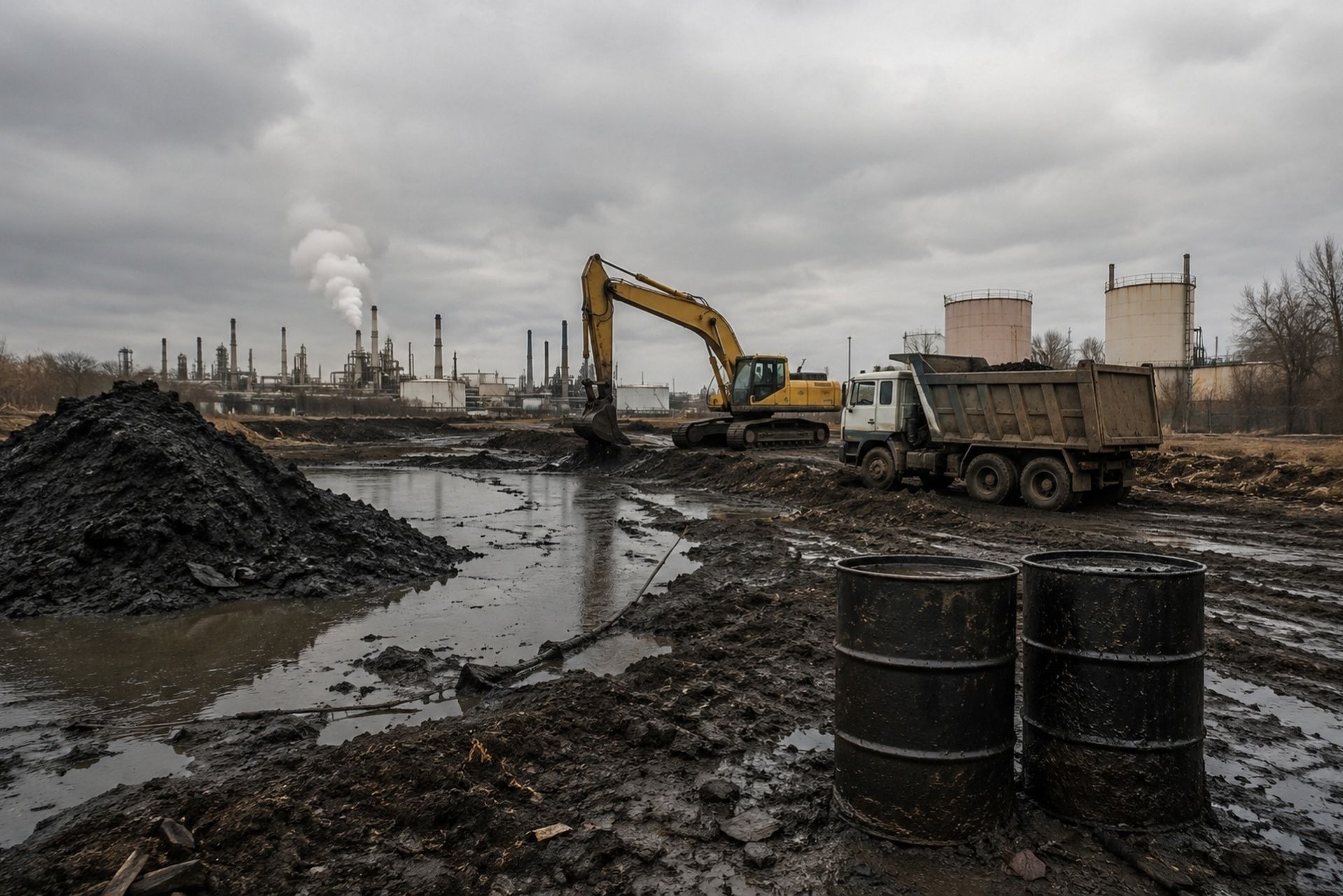
Every construction project in New York carries some degree of environmental risk. The type and severity depend on the project's location, age of existing structures, and scope of work. Here are the most common pollution exposures contractors face on job sites across the state.
Asbestos and Lead-Based Paint Handling
Any building constructed before 1980 in New York likely contains asbestos in insulation, floor tiles, pipe wrapping, or roofing materials. Lead-based paint is equally common in pre-1978 structures. Disturbing these materials during demolition or renovation without proper containment can release fibers and dust into the air, exposing workers and nearby residents.
New York City's Department of Environmental Protection requires an asbestos survey before any renovation or demolition work begins. Failing to identify and properly abate these materials can result in stop-work orders, fines exceeding $25,000 per violation, and personal injury claims from exposed individuals. A pollution liability policy covers the cleanup costs and third-party claims that arise from accidental disturbance of these materials.
Chemical Spills and Fuel Leaks
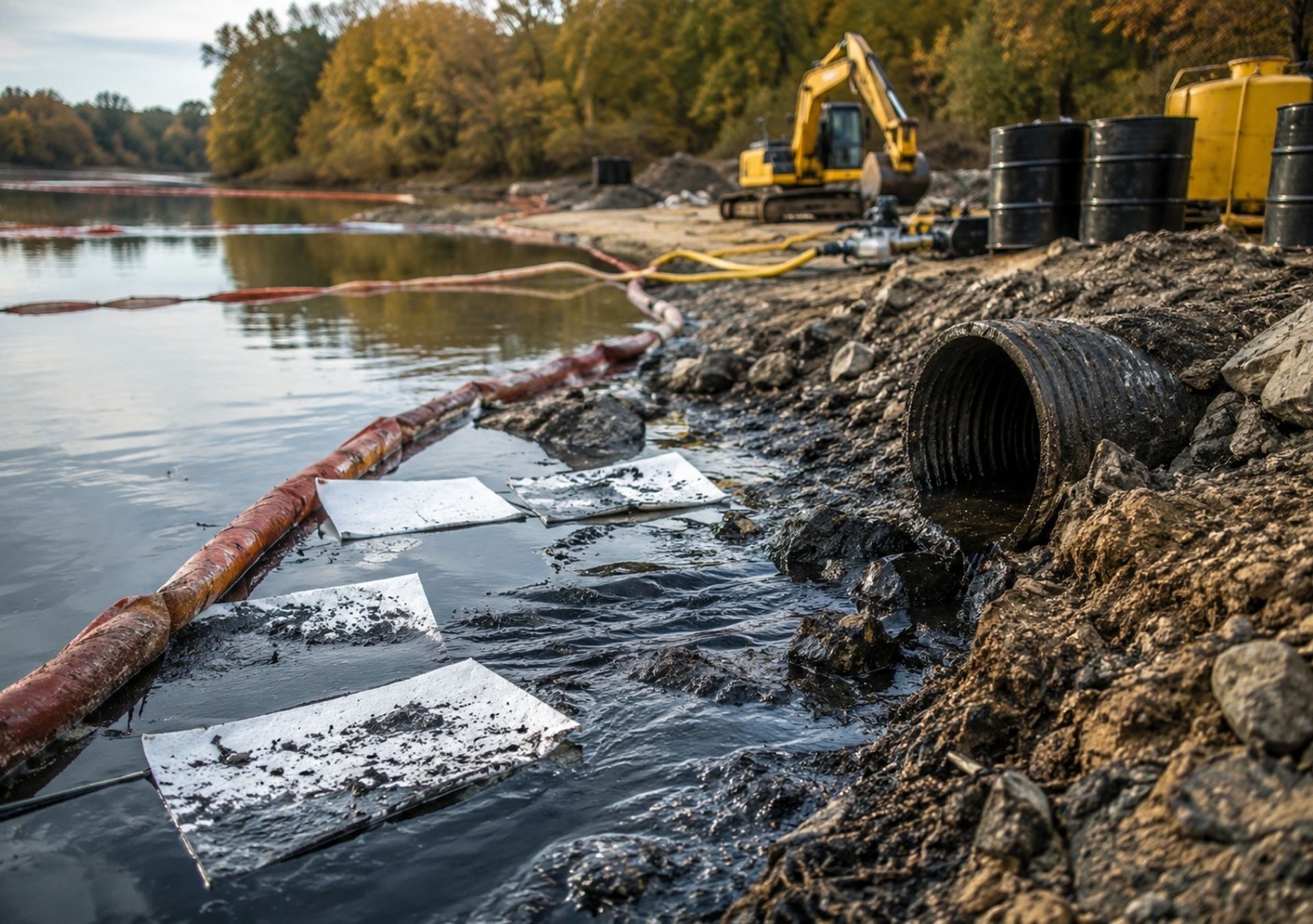
Construction sites use diesel fuel, hydraulic fluid, solvents, adhesives, and dozens of other chemicals daily. A ruptured fuel line on a backhoe, a tipped drum of concrete sealant, or a leaking generator can contaminate soil and groundwater quickly. In urban areas, contamination can migrate to adjacent properties through shared drainage systems or porous soil.
New York's stormwater compliance rules require contractors to prevent pollutants from entering waterways and storm drains. A spill that reaches a storm drain can trigger DEC enforcement action and mandatory remediation. These costs add up fast, and your CGL policy won't cover them.
Mold and Legionella from HVAC or Plumbing
Mold growth resulting from improper HVAC installation or plumbing leaks is a growing source of pollution claims in New York. If your crew installs ductwork incorrectly and moisture accumulates inside a building's walls, the resulting mold infestation can force tenants to relocate and require extensive remediation. Legionella bacteria in poorly maintained cooling towers or water systems present an even more serious health risk.
These biological contaminants are classified as pollutants under most CGL exclusions. A contractor who installs a system that later causes a Legionella outbreak could face bodily injury claims from dozens of building occupants, none of which would be covered by standard liability insurance.
Comparing General Liability vs. Pollution Liability
Understanding exactly where your CGL policy ends and pollution coverage begins is critical. Here's a side-by-side comparison:
| Feature | General Liability (CGL) | Pollution Liability (CPL) |
|---|---|---|
| Bodily injury from accidents | Covered | Not typically covered |
| Property damage from pollution | Excluded | Covered |
| Cleanup/remediation costs | Excluded | Covered |
| Third-party pollution claims | Excluded | Covered |
| Legal defense for environmental suits | Excluded | Covered |
| Transportation of pollutants | Excluded | Often covered |
| Mold or biological contaminants | Excluded | Covered (most policies) |
| Regulatory fines and penalties | Excluded | Covered (where insurable) |
The pattern is clear. Your CGL policy handles slip-and-fall injuries and property damage from non-pollution causes. Everything related to environmental contamination, whether accidental or from negligent work, falls into the pollution liability column. New York City alone
paid nearly $2 billion in claim settlements in a recent fiscal year, and environmental claims represented a meaningful share of that total. Contractors who cause contamination on city projects are often pulled into these disputes.
Types of Pollution Policies for Contractors
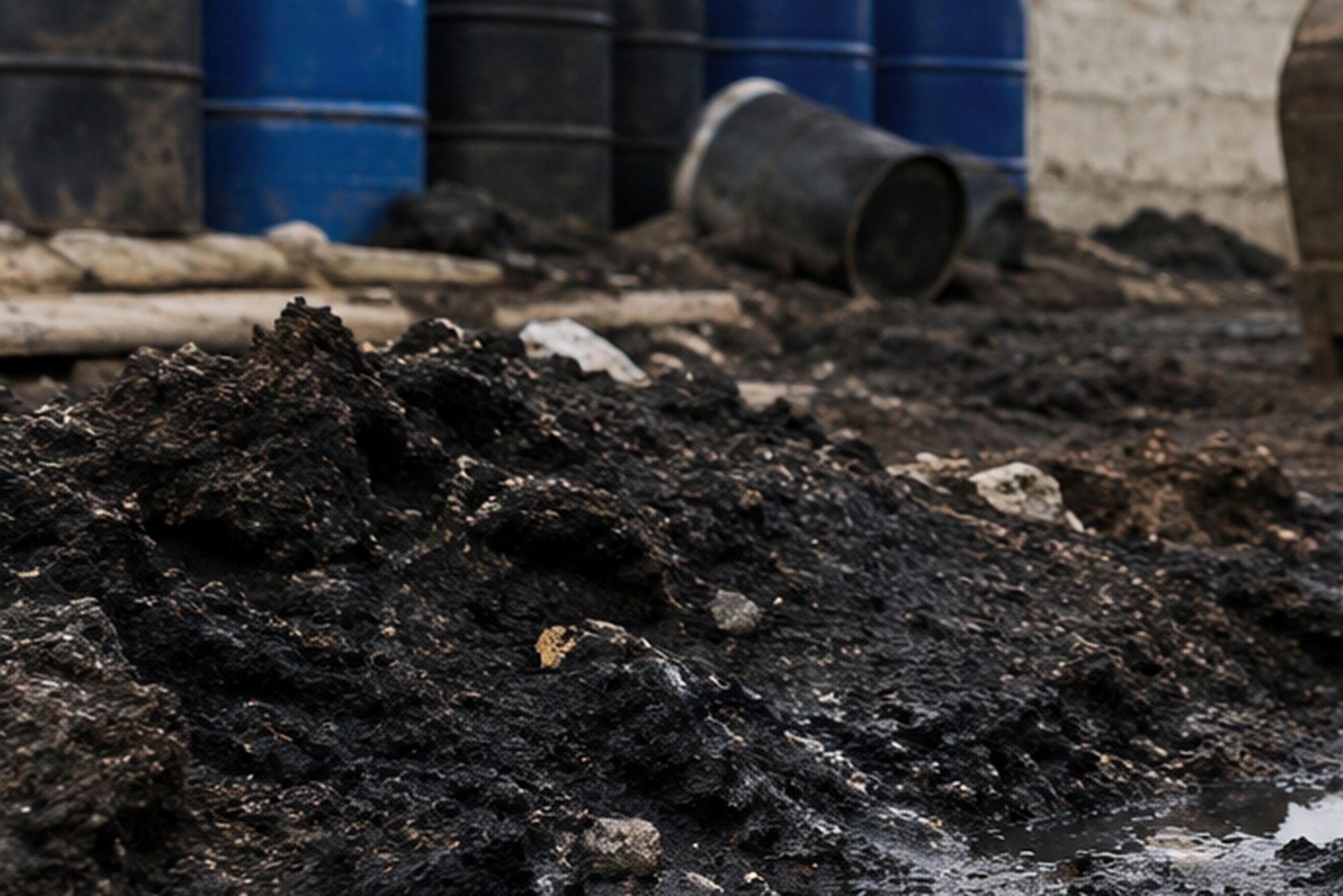
Not all pollution policies are the same. The right coverage depends on your trade, the types of projects you take on, and your risk profile. Two main policy structures dominate the market for New York contractors and developers.
Contractors Pollution Liability (CPL)
A CPL policy is the most common form of pollution coverage for construction firms. It covers third-party bodily injury and property damage claims arising from pollution conditions caused by your contracting operations. Most CPL policies also cover cleanup costs, emergency response expenses, and legal defense.
CPL policies can be written on a project-specific basis or as an annual policy covering all your jobs. Project-specific policies work well for large developments where the environmental risk is concentrated. Annual policies make more sense for contractors running multiple smaller jobs throughout the year. Premiums vary widely based on your trade, claims history, and the types of sites you work on. An environmental remediation contractor will pay significantly more than an electrical subcontractor.
Professional and Pollution Combined Coverage
Some insurers offer blended policies that combine professional liability (errors and omissions) with pollution coverage. These are particularly useful for design-build firms, environmental consultants, and developers who both design and construct projects. A combined policy eliminates gaps between your professional liability and pollution coverage, so a design error that leads to a pollution event is covered under a single policy.
This structure is gaining popularity among New York developers who manage projects from concept through completion. The
environmental insurance market has seen growing demand for these combined products, driven by increasingly complex project delivery methods and tighter regulatory scrutiny.
Frequently Asked Questions About NY Pollution Insurance
Is pollution liability insurance required by law in New York? It's not universally mandated by state law, but many project owners, general contractors, and municipal agencies require it as a condition of contract. NYC public works projects almost always demand it.
How much does a CPL policy cost? Annual premiums for small to mid-size contractors typically range from $2,500 to $15,000, depending on your trade, revenue, and claims history. High-risk specialties like demolition or tank removal pay more.
Does my pollution policy cover pre-existing contamination? Standard CPL policies cover pollution conditions you cause during your work. If you need coverage for pre-existing contamination on a site you're developing, you'll need a site-specific environmental policy, sometimes called a Premises Pollution Liability (PPL) policy.
Can I add pollution coverage to my existing CGL policy? Some insurers offer a limited pollution endorsement on CGL policies, but these are typically restricted to "sudden and accidental" events and carry low sublimits. A standalone CPL policy provides much broader protection.
What's the typical claims process for a pollution incident? You report the incident to your insurer immediately. Most policies require prompt notification, and some require you to use approved remediation contractors. The insurer assigns an adjuster who works with environmental consultants to assess the scope and cost of cleanup.
Do subcontractors need their own pollution coverage?
Yes. If a subcontractor causes a pollution event on your job site, their lack of coverage becomes your problem. Requiring CPL from subs is a standard risk management practice for GCs in New York.
What This Means for Your Business
Pollution liability insurance for New York contractors isn't optional in any practical sense. The state's regulatory framework, the age of its building stock, and the density of its urban areas create environmental exposures on nearly every project. A single uninsured pollution claim can wipe out years of profit and put your contractor's license at risk.
If you don't currently carry pollution coverage, start by reviewing your existing CGL policy's pollution exclusion with your broker. Identify the specific environmental risks your projects face, whether that's asbestos in pre-war buildings, fuel storage on commercial sites, or stormwater compliance on large developments. Then get quotes for both project-specific and annual CPL policies so you can compare costs against your actual exposure.
The contractors who survive and grow in New York's market are the ones who treat environmental risk as a line item, not an afterthought. Get the right pollution liability coverage in place before your next project breaks ground.
ABOUT THE AUTHOR:
JELANI FENTON
As Owner of EG Bowman, I’m dedicated to continuing a legacy of trust and excellence built over more than seven decades. My focus is on helping businesses and individuals secure reliable, forward-thinking insurance solutions that protect their assets and support long-term growth.
Contact Us
OUR SERVICES
New York Business Insurance Coverage
General Liability Insurance


Workers Comp Insurance
Commercial Property Insurance
Commercial Auto Insurance
Commercial Umbrella Insurance
Business Owner's Policy
OUR SERVICES
New York Personal Insurance Coverage
Auto Insurance
Get coverage for your car and protect yourself on the road. We provide options for accidents, damages, and more.
Home Insurance
Protect your home and belongings with coverage for damages, theft, and unexpected events.
Umbrella Insurance
Extend your coverage with umbrella insurance for extra protection when you need it most.
Condo Insurance
Get peace of mind with condo insurance that protects your space and personal belongings.
NEW YORK BUSINESSES WE WORK WITH
Industries We Serve In New York
Electrician Insurance
Get coverage that protects electricians from accidents, property damage, and liability risks. Keep your tools, equipment, and business safe with plans designed for your needs. Request a quote to stay covered and focused on your work.
Real Estate Developer Insurance
Protect your projects with insurance that covers construction risks, liability, and property damage. We offer plans to keep your developments secure and on track. Get a quote to ensure your business is protected.
Wholesaler and Distributor Insurance
Protect your inventory and business operations with insurance that covers property damage and liability risks. Keep your supply chain running without disruptions. Get a quote to safeguard your business today.
What is an independent insurance agency, and how does it differ from a traditional insurance company?
An independent insurance agency works with multiple insurance carriers instead of just one. This allows us to provide customized coverage options tailored to your needs, rather than offering a one-size-fits-all policy. Independent agencies focus on finding the best value and coverage for their clients by comparing policies across various providers. At EG Bowman, we pride ourselves on offering personalized service and expertise to ensure our clients get the coverage that fits their specific needs.
What types of insurance does EG Bowman offer?
EG Bowman offers a wide range of insurance solutions, including commercial insurance, personal lines, property insurance, liability insurance, and specialized policies tailored to niche industries. Our focus is on protecting businesses and individuals from unforeseen risks. Whether you're looking for coverage for your home, car, or business, our team works to provide the most comprehensive and competitive options available. We’re here to make sure you’re prepared for the unexpected.
How does EG Bowman help businesses with insurance?
We specialize in understanding the unique risks businesses face and crafting insurance solutions to address them. From general liability to workers' compensation and industry-specific policies, our team ensures your business is protected at every level. We also provide risk management consultations to identify potential vulnerabilities and recommend solutions. With decades of experience, EG Bowman acts as a trusted partner, helping businesses navigate their insurance needs confidently.
Why should I choose EG Bowman as my insurance agency?
At EG Bowman, we combine decades of expertise with a client-focused approach to provide unparalleled service. Unlike larger, faceless companies, we build long-term relationships with our clients, offering personalized advice and solutions. We prioritize your needs, shop for the best rates, and advocate on your behalf when it comes to claims. Our goal is to be your trusted advisor in navigating insurance complexities and ensuring peace of mind.
How can I get a quote for insurance through EG Bowman?
Getting a quote with EG Bowman is simple and hassle-free. You can call us directly at 212-425-8150 or email us at info@egbowman.com to discuss your insurance needs. Our team will gather information about your situation and compare policies from multiple carriers to provide the best options. Whether it’s personal or business insurance, we ensure the process is transparent, efficient, and tailored to you.
Does EG Bowman offer insurance for small businesses?
Yes, EG Bowman specializes in working with small businesses. We understand the unique challenges small businesses face, from managing risks to staying within budget. Our insurance solutions cover everything from general liability to property insurance and more. By tailoring policies to fit your specific needs, we ensure your small business is well-protected while keeping costs manageable.
FAQS PAGE
Frequently Asked Questions
We understand you may have questions about our insurance services and how we can help protect what matters most to you. Below, you'll find answers to some of the most common questions we receive. If you don’t see the information you’re looking for, feel free to reach out to us directly. Our team is here to assist you with personalized advice and solutions.
NEWS & BLOG
Explore Our New York Insurance Blog
Contact Us