New York Construction Cleanup and Debris Removal Insurance
See How We're Different:
or Call Us: 212-425-8150
Most Common Business Policies
A single cracked window during a post-construction sweep can trigger a $50,000 claim. A worker injured hauling
concrete debris from a Manhattan high-rise renovation? That claim could easily reach six figures. If you run a construction cleanup or
debris removal business in New York, you already know the risks are real, frequent, and expensive. The state's regulatory environment is among the toughest in the country, and New York City adds its own layer of rules on top of that. Your insurance isn't just a box to check for a general contractor's compliance packet; it's the financial backbone that keeps your company operating after something goes wrong. Getting the right coverage for debris hauling and
post-construction cleaning in New York requires understanding which policies you actually need, where standard coverage falls short, and how the local market prices your risk. This guide breaks down those specifics so you can make informed decisions about protecting your crew, your equipment, and your bottom line.
Core Insurance Requirements for New York Post-Construction Cleaners
New York doesn't make it easy on cleanup contractors. Between state labor laws, city building department requirements, and general contractor insurance mandates, you'll need several overlapping policies just to bid on most jobs. The baseline typically includes general liability, workers' compensation, and commercial auto coverage. But depending on the materials you handle and the sites you work on, you may also need pollution liability, umbrella coverage, and inland marine policies.
The NYC Department of Buildings has increased enforcement around contractor compliance in recent years, including insurance verification for subcontractors on permitted projects. If you're working anywhere in the five boroughs, expect general contractors to demand certificates of insurance before you set foot on a job site.
General Liability for Third-Party Property Damage
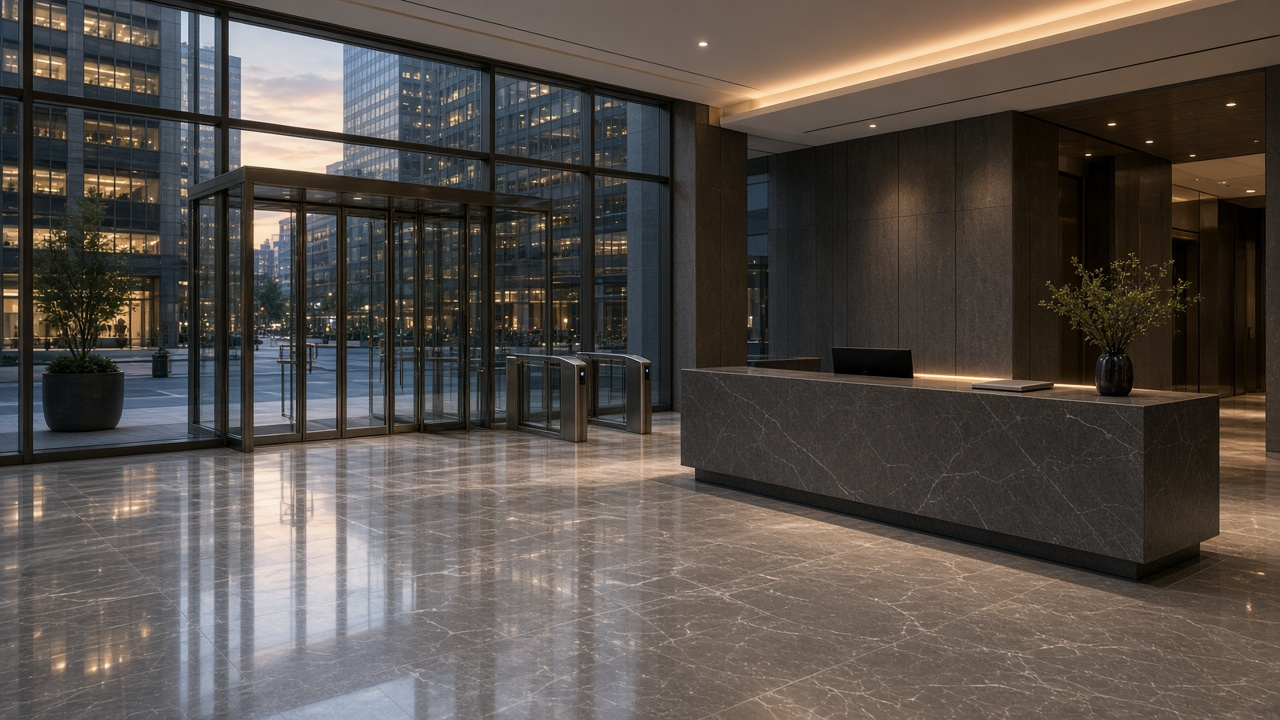
General liability is your first line of defense. It covers bodily injury and property damage claims from third parties, meaning anyone who isn't your employee. If your crew accidentally damages freshly installed marble flooring while removing drywall scraps, or if a passerby trips over debris your team left near a building entrance, GL responds to those claims.
Most New York cleanup contractors carry between $1 million and $2 million in general liability coverage. That said, many GCs on commercial projects require $5 million or more, often achieved through an umbrella or excess liability policy stacked on top of your primary GL. One common mistake is assuming your GL policy automatically covers completed operations. If damage from your work shows up weeks after the job is done, you need completed operations coverage included in your policy, and you should confirm it's not excluded.
New York State Workers' Compensation Mandates
New York is a zero-tolerance state for workers' comp. If you have even one employee, you must carry workers' compensation insurance. There are no exceptions for small crews, part-time workers, or day laborers. The New York Workers' Compensation Board actively audits businesses, and penalties for non-compliance include fines of $2,000 per 10-day period and potential criminal charges.
Cleanup and debris removal work falls into classification codes with above-average rates because of the physical nature of the job. Expect to pay between $15 and $25 per $100 of payroll depending on your claims history and specific operations. A strong safety program and clean loss history can bring those numbers down over time. If you're using subcontractors, make sure they carry their own workers' comp; otherwise, your insurer may charge you for their payroll too.
Pollution Liability and Hazardous Waste Handling
Standard GL policies almost always exclude pollution-related claims. That's a problem if your crews encounter asbestos, lead paint, mold, or chemical residues during post-construction cleanup, which happens more often than you'd think in New York's aging building stock. A pollution liability policy fills that gap, covering cleanup costs, third-party bodily injury from exposure, and legal defense.
New York waste hauling businesses face
specific environmental regulations that require proper licensing and insurance documentation. If you're transporting any material classified as hazardous, even in small quantities, pollution liability isn't optional. It's a business necessity. Policies typically start around $2,500 annually for smaller operations, but costs rise quickly based on the types of materials you handle and your annual revenue.
Comparing Coverage Needs: Debris Removal vs. General Cleaning
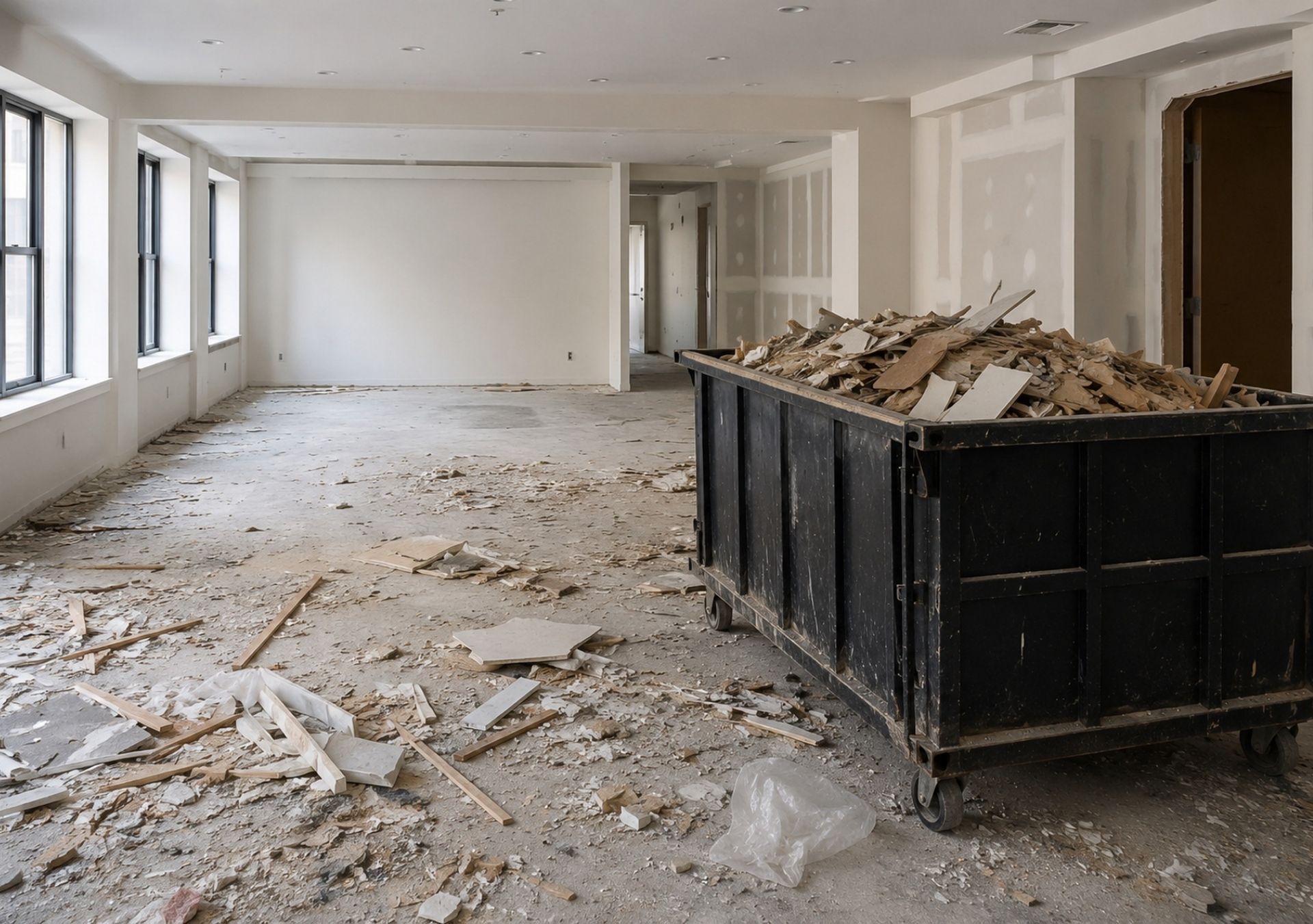
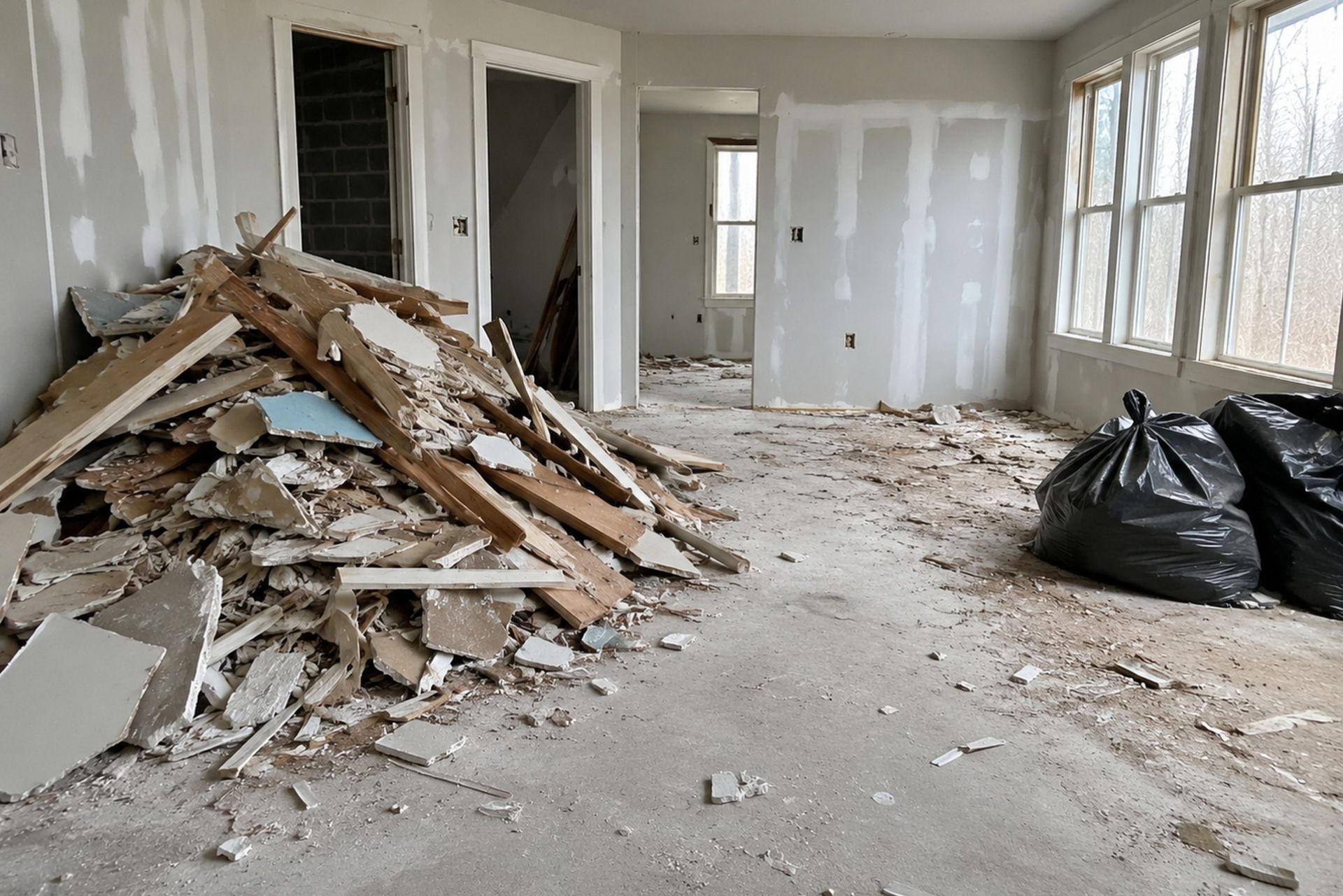
There's a meaningful difference between a crew that vacuums drywall dust and wipes down windows versus a crew that loads broken concrete, rebar, and demolished framing into roll-off containers. General post-construction cleaning carries moderate risk. Debris removal and hauling, on the other hand, involves heavy materials, machinery, and roadway exposure. Your insurance should reflect those differences. A cleaning-only operation might get by with a basic GL policy and workers' comp. A debris removal company needs broader protection, including commercial auto, higher liability limits, and potentially pollution coverage. Treating these two operations as identical from an insurance standpoint is one of the most common, and costly, mistakes in the industry.
Comparison Table: Standard GL vs. Specialized Debris Coverage
| Coverage Feature | Standard GL Policy | Specialized Debris Removal Coverage |
|---|---|---|
| Third-party bodily injury | Included | Included |
| Third-party property damage | Included | Included with higher sublimits |
| Pollution/environmental claims | Excluded | Available as endorsement or separate policy |
| Damage during transport | Not covered | Covered under commercial auto |
| Heavy equipment breakdown | Not covered | Covered under inland marine |
| Completed operations | Sometimes excluded | Typically included |
| Typical annual premium (small firm) | $2,500 - $5,000 | $6,000 - $15,000+ |
This table highlights why a one-size-fits-all approach doesn't work. If you're hauling debris, your exposure profile demands more than a standard cleaning contractor's policy.
Managing Risk During Debris Hauling and Transport
The moment debris leaves a job site on your truck, a new set of risks kicks in. Traffic accidents, load spills, damage to public roads, and injuries during unloading are all real possibilities. New York's dense urban streets make these risks even higher. A dump truck carrying concrete rubble through Midtown is a very different exposure than a van full of cleaning supplies.
The 2026 construction insurance market shows continued premium pressure for hauling operations, driven by rising claim severity and nuclear verdicts in auto liability cases. Managing this risk starts with proper insurance but also includes driver training, load securement protocols, and route planning.
Commercial Auto Insurance for Dump Trucks and Trailers
Your personal auto policy won't cover vehicles used for business, and a standard commercial auto policy may not be enough for debris hauling. You need a policy that specifically covers dump trucks, trailers, and any specialized vehicles in your fleet. Commercial auto insurance for debris removal operations should include liability coverage of at least $1 million per occurrence, with many New York GCs and municipalities requiring $2 million or more.
Hired and non-owned auto coverage is also worth adding if your employees ever use personal vehicles for work-related tasks, even just driving to a supply store. New York's no-fault auto insurance requirements add another layer; make sure your policy meets state minimums for personal injury protection and uninsured motorist coverage.
Inland Marine Insurance for Specialized Cleaning Equipment
Industrial vacuums, pressure washers, concrete grinders, and air scrubbers aren't cheap. If this equipment is stolen from a job site, damaged in transit, or destroyed during use, your GL policy won't cover the loss. That's where inland marine insurance comes in. Despite the name, it has nothing to do with boats. Inland marine covers tools, equipment, and materials that move between locations.
For a debris removal company, this policy might cover $50,000 to $250,000 worth of equipment. Premiums are usually 1% to 3% of the total insured value annually. If you're leasing equipment, the leasing company will likely require you to carry this coverage anyway. It's one of the more affordable policies in your insurance portfolio, and it prevents a single theft from putting a serious dent in your operations.
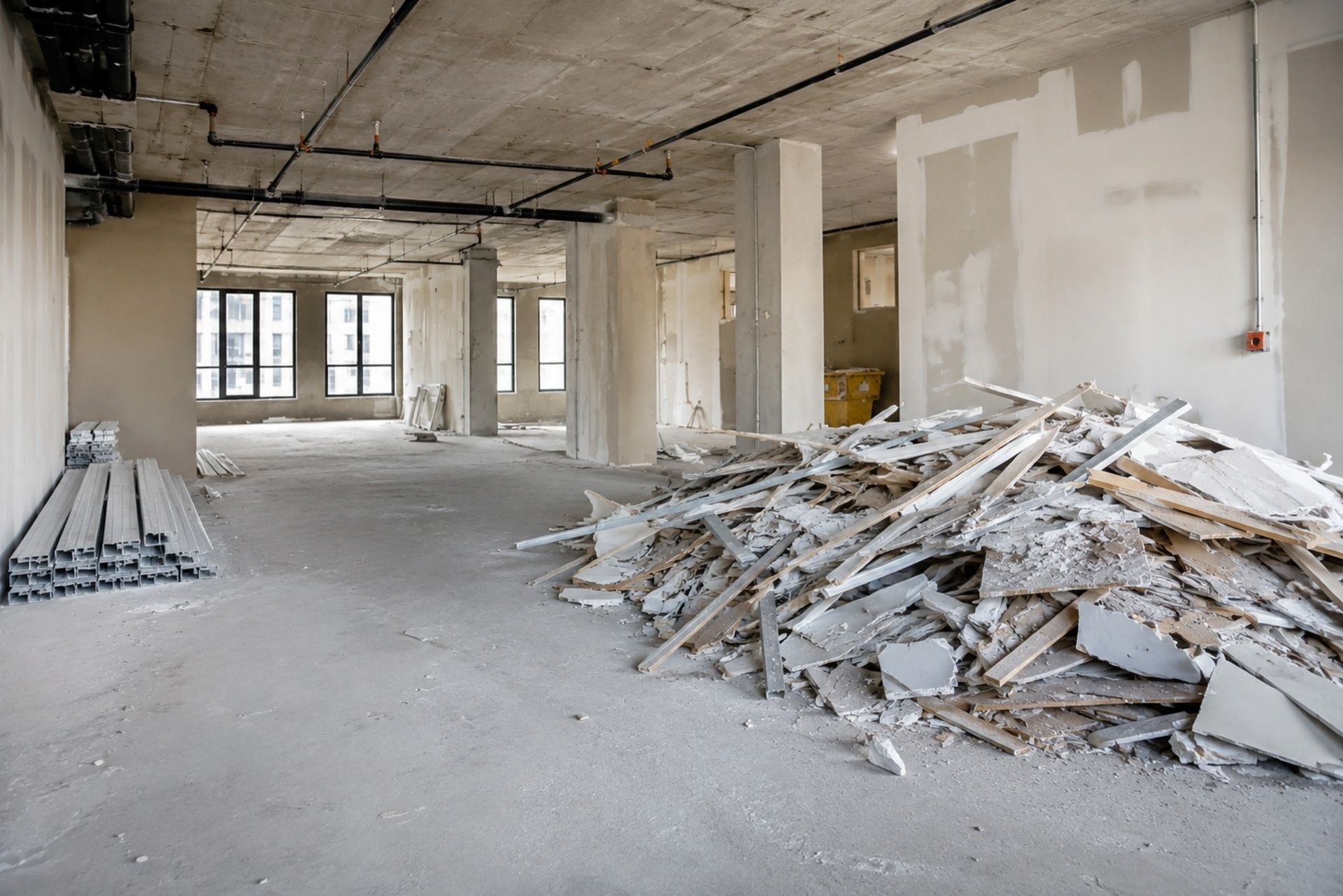
New York consistently ranks among the most expensive states for commercial insurance, and several factors specific to cleanup contractors drive those costs. Your annual revenue is the primary rating factor for GL policies, while payroll determines workers' comp premiums. Claims history matters enormously; even one large claim can increase your premiums by 20% to 40% at renewal.
Contractor insurance costs in New York vary significantly based on location and scope of work. A debris removal company operating in Manhattan will pay more than one working in Syracuse, partly because of higher property values, denser populations, and greater litigation exposure. The type of projects you take on also matters. High-rise work, public infrastructure projects, and jobs involving hazardous materials all carry surcharges.
New York Senate Bill S5202, introduced in the
2025-2026 legislative session, proposes changes to contractor liability standards that could affect insurance requirements for subcontractors, including cleanup firms. Keeping an eye on pending legislation helps you anticipate cost changes before they hit your renewal.
Common Questions About Construction Cleanup Insurance
FAQ: Coverage Limits, Costs, and Claims
How much does construction cleanup insurance cost in New York? A small cleanup crew can expect to pay $8,000 to $20,000 annually for a basic package including GL, workers' comp, and commercial auto. Larger operations with debris hauling can pay $30,000 or more.
What's the minimum liability coverage I need? Most general contractors require at least $1 million per occurrence and $2 million aggregate. NYC public projects often require $5 million or higher.
Does my GL policy cover debris removal from the job site? Standard GL policies cover property damage and injury claims but don't cover the cost of removing your own debris. Debris removal coverage is a separate provision typically found in property or inland marine policies.
Do I need pollution liability if I only handle construction waste? If there's any chance you'll encounter asbestos, lead, or chemical residues, yes. Many older New York buildings contain these materials, and a single exposure claim can exceed your GL limits.
Can I reduce my workers' comp premiums? Yes. Implement a formal safety program, maintain clean loss runs, and explore New York's group self-insurance options or safety group discounts. Your experience modification rate directly affects your premium.
What happens if I work without insurance in New York?
You face fines, stop-work orders, and potential criminal liability. GCs can also be held liable for your uninsured workers, which means you'll never get hired again.
Getting the right insurance for your New York cleanup or debris removal business isn't something you do once and forget. Your coverage needs will shift as you take on larger projects, add employees, or expand into new service areas. Start by getting quotes from at least three brokers who specialize in construction trades. A generalist agent may not understand the nuances of debris hauling endorsements or pollution liability triggers.
Review your policies annually, not just at renewal. If you've added a dump truck, hired five new workers, or started taking on asbestos abatement sites mid-year, your existing coverage may have gaps. Ask your broker about blanket additional insured endorsements, which many GCs now require, and make sure your certificates of insurance are always current.
The cost of proper coverage is real, but it's predictable. The cost of being underinsured is not. One uninsured claim on a Manhattan job site can end a business overnight. Invest the time now to build a policy portfolio that matches your actual risk, and you'll be positioned to grow your company with confidence.
ABOUT THE AUTHOR:
JELANI FENTON
As Owner of EG Bowman, I’m dedicated to continuing a legacy of trust and excellence built over more than seven decades. My focus is on helping businesses and individuals secure reliable, forward-thinking insurance solutions that protect their assets and support long-term growth.
Contact Us
OUR SERVICES
New York Business Insurance Coverage
General Liability Insurance


Workers Comp Insurance
Commercial Property Insurance
Commercial Auto Insurance
Commercial Umbrella Insurance
Business Owner's Policy
OUR SERVICES
New York Personal Insurance Coverage
Auto Insurance
Get coverage for your car and protect yourself on the road. We provide options for accidents, damages, and more.
Home Insurance
Protect your home and belongings with coverage for damages, theft, and unexpected events.
Umbrella Insurance
Extend your coverage with umbrella insurance for extra protection when you need it most.
Condo Insurance
Get peace of mind with condo insurance that protects your space and personal belongings.
NEW YORK BUSINESSES WE WORK WITH
Industries We Serve In New York
Electrician Insurance
Get coverage that protects electricians from accidents, property damage, and liability risks. Keep your tools, equipment, and business safe with plans designed for your needs. Request a quote to stay covered and focused on your work.
Real Estate Developer Insurance
Protect your projects with insurance that covers construction risks, liability, and property damage. We offer plans to keep your developments secure and on track. Get a quote to ensure your business is protected.
Wholesaler and Distributor Insurance
Protect your inventory and business operations with insurance that covers property damage and liability risks. Keep your supply chain running without disruptions. Get a quote to safeguard your business today.
What is an independent insurance agency, and how does it differ from a traditional insurance company?
An independent insurance agency works with multiple insurance carriers instead of just one. This allows us to provide customized coverage options tailored to your needs, rather than offering a one-size-fits-all policy. Independent agencies focus on finding the best value and coverage for their clients by comparing policies across various providers. At EG Bowman, we pride ourselves on offering personalized service and expertise to ensure our clients get the coverage that fits their specific needs.
What types of insurance does EG Bowman offer?
EG Bowman offers a wide range of insurance solutions, including commercial insurance, personal lines, property insurance, liability insurance, and specialized policies tailored to niche industries. Our focus is on protecting businesses and individuals from unforeseen risks. Whether you're looking for coverage for your home, car, or business, our team works to provide the most comprehensive and competitive options available. We’re here to make sure you’re prepared for the unexpected.
How does EG Bowman help businesses with insurance?
We specialize in understanding the unique risks businesses face and crafting insurance solutions to address them. From general liability to workers' compensation and industry-specific policies, our team ensures your business is protected at every level. We also provide risk management consultations to identify potential vulnerabilities and recommend solutions. With decades of experience, EG Bowman acts as a trusted partner, helping businesses navigate their insurance needs confidently.
Why should I choose EG Bowman as my insurance agency?
At EG Bowman, we combine decades of expertise with a client-focused approach to provide unparalleled service. Unlike larger, faceless companies, we build long-term relationships with our clients, offering personalized advice and solutions. We prioritize your needs, shop for the best rates, and advocate on your behalf when it comes to claims. Our goal is to be your trusted advisor in navigating insurance complexities and ensuring peace of mind.
How can I get a quote for insurance through EG Bowman?
Getting a quote with EG Bowman is simple and hassle-free. You can call us directly at 212-425-8150 or email us at info@egbowman.com to discuss your insurance needs. Our team will gather information about your situation and compare policies from multiple carriers to provide the best options. Whether it’s personal or business insurance, we ensure the process is transparent, efficient, and tailored to you.
Does EG Bowman offer insurance for small businesses?
Yes, EG Bowman specializes in working with small businesses. We understand the unique challenges small businesses face, from managing risks to staying within budget. Our insurance solutions cover everything from general liability to property insurance and more. By tailoring policies to fit your specific needs, we ensure your small business is well-protected while keeping costs manageable.
FAQS PAGE
Frequently Asked Questions
We understand you may have questions about our insurance services and how we can help protect what matters most to you. Below, you'll find answers to some of the most common questions we receive. If you don’t see the information you’re looking for, feel free to reach out to us directly. Our team is here to assist you with personalized advice and solutions.
NEWS & BLOG
Explore Our New York Insurance Blog


Contact Us