New York Waterproofing and Foundation Contractor Insurance
See How We're Different:
or Call Us: 212-425-8150
Most Common Business Policies
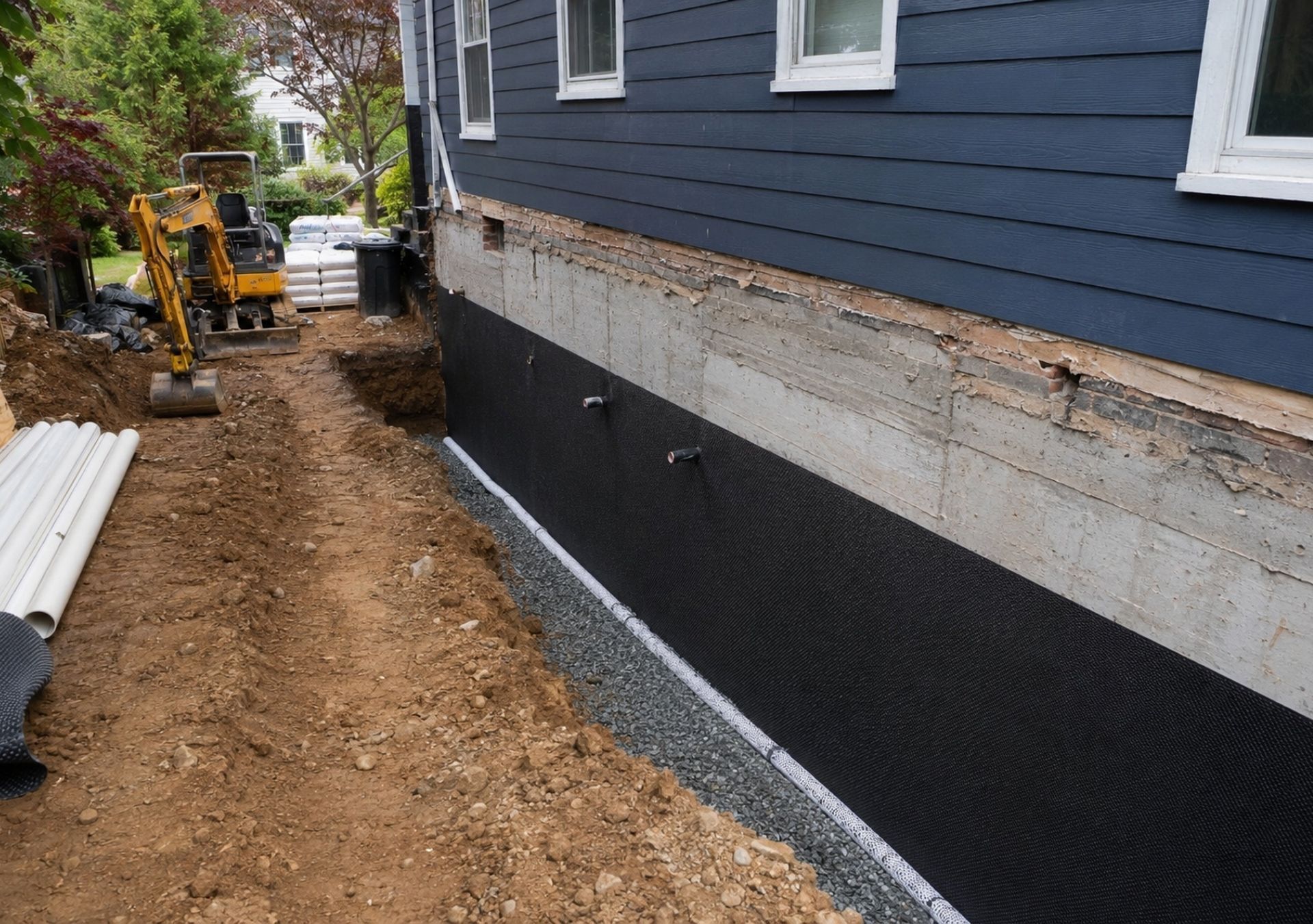
Running a waterproofing or foundation repair business in New York means operating in one of the most litigious and heavily regulated construction environments in the country. Between the state's notorious
scaffold law, strict labor statutes, and the chemical exposure risks inherent to below-grade work, your
insurance program isn't just a line item on your budget. It's the thing standing between your company and a six-figure lawsuit. Whether you're sealing basement walls in Brooklyn or underpinning foundations in Buffalo, the right coverage mix can mean the difference between surviving a claim and shutting your doors. This guide breaks down the specific insurance needs for waterproofing and foundation contractor insurance in New York, covering everything from liability exposures unique to your trade to compliance requirements that trip up even experienced operators.
Essential Insurance Coverages for NY Foundation and Waterproofing Specialists
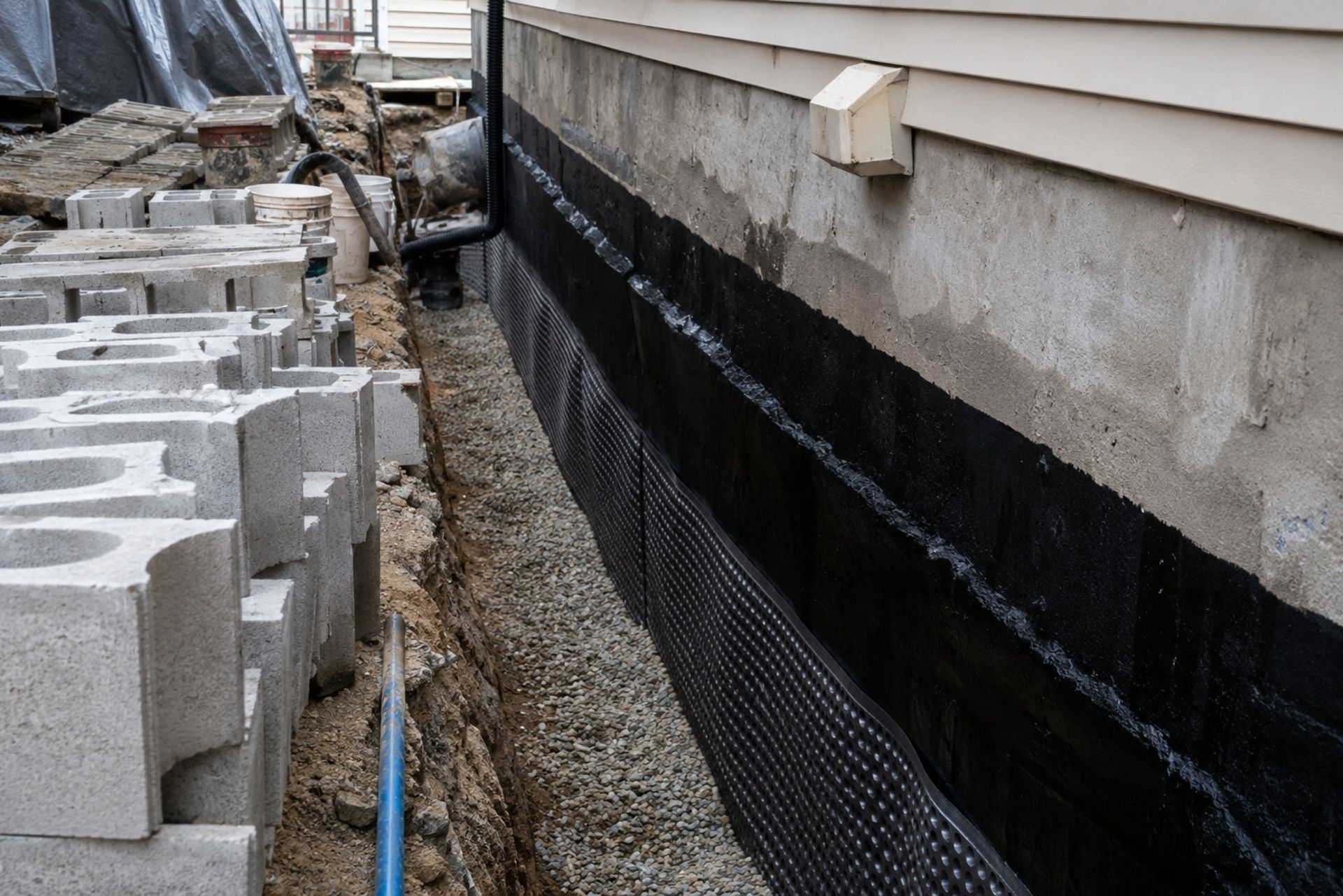
Foundation and waterproofing contractors face a distinct combination of risks that general construction policies don't always address. You're working below grade, applying chemical sealants, excavating near neighboring structures, and often operating under design-build contracts that blur the line between construction and engineering. A standard commercial general liability (CGL) policy covers bodily injury and property damage, but it won't protect you from professional errors, pollution claims, or the full weight of New York's labor laws.
Your insurance program should be built in layers. Start with CGL and workers' compensation as your base, then add professional liability, pollution coverage, and inland marine depending on the scope of your projects. Contractors who handle NYC projects face intensified DOB enforcement around safety compliance, which makes adequate coverage even more critical. Each policy addresses a different category of risk, and gaps between them are where claims hit hardest.
General Liability and the NY Labor Law Exposure
New York Labor Law Sections 240 and 241 impose absolute liability on property owners and general contractors for gravity-related injuries on construction sites. If one of your workers falls from scaffolding or a ladder collapses, the property owner's insurer will come after your CGL policy through subrogation. This is the famous "scaffold law," and it drives some of the highest construction insurance premiums in the nation.
Recent legislative efforts have aimed to reform this statute, with proposed changes to the scaffold law generating significant industry debate. For now, the law remains unchanged, meaning your CGL limits need to reflect this exposure. Most GCs in New York require subcontractors to carry at least $1 million per occurrence and $2 million aggregate, though larger projects often demand $5 million or more through umbrella policies. Don't skimp here. A single scaffold law claim can easily exceed $1 million.
Professional Liability for Design-Build Projects
If your company designs waterproofing systems, specifies membrane products, or provides engineering recommendations, you've crossed into professional services territory. Your CGL policy explicitly excludes professional errors and omissions. A failed waterproofing design that leads to chronic water infiltration won't trigger your general liability coverage because there's no "occurrence" in the traditional sense.
Professional liability (E&O) insurance fills this gap. It covers claims arising from faulty design recommendations, incorrect product specifications, or inadequate system engineering. For foundation contractors who perform structural assessments or recommend underpinning solutions, E&O coverage is essential. Premiums typically range from $2,500 to $8,000 annually for small to mid-size firms, depending on your project volume and claims history.
Pollution Liability for Sealants and Chemical Applications
Waterproofing work involves polyurethane injection foams, solvent-based sealants, bentonite clay systems, and other materials that can trigger pollution exclusions in standard CGL policies. If a chemical sealant migrates into a neighboring property's water supply or your crew causes a spill that requires environmental remediation, your general liability insurer will likely deny the claim.
Contractor's pollution liability (CPL) policies are designed for exactly this scenario. They cover third-party bodily injury and property damage from pollution events, cleanup costs, and even transportation of hazardous materials. For
waterproofing specialists handling chemical applications, CPL coverage is not optional. It's a business necessity. Expect annual premiums between $3,000 and $12,000 depending on the chemicals you use and your annual revenue.
Understanding NY Workers' Compensation and Disability Requirements
New York has some of the strictest workers' compensation requirements in the country. Every employer, even those with just one employee, must carry workers' comp coverage. There are no exemptions for small crews or family-owned operations, and the penalties for non-compliance are severe: fines up to $2,000 per 10-day period and potential criminal charges.
Your workers' comp premiums are calculated based on payroll and classification codes. Foundation work and excavation carry high experience modification rates because the injury frequency in these trades is above average. Managing your mod rate through safety programs and return-to-work policies can save you thousands annually.
Statutory Benefits for Foundation Crews
New York's workers' compensation system provides wage replacement, medical coverage, and disability benefits for injured workers. The state also requires employers to carry disability benefits insurance (DBL), which covers off-the-job injuries and illnesses. These are separate policies with separate premiums, and both are mandatory.
The New York State Insurance Fund (NYSIF) offers a
payroll limitation program for construction employers that caps the payroll used to calculate premiums for certain high-wage employees. This can significantly reduce your workers' comp costs if you have experienced, well-paid crew members. It's one of the few cost-saving mechanisms available in New York's expensive construction insurance market.
Navigating Paid Family Leave Compliance
New York's Paid Family Leave (PFL) program requires employers to provide up to 12 weeks of paid leave for qualifying events, including bonding with a new child, caring for a family member with a serious health condition, or addressing needs related to military deployment. PFL is funded through employee payroll deductions, but you as the employer are responsible for administering the program and maintaining coverage.
For small foundation and waterproofing crews, losing a key employee for 12 weeks can disrupt project timelines. Build this possibility into your project planning. Your PFL coverage is typically bundled with your DBL policy, and carriers like NYSIF or private insurers handle both. Non-compliance results in fines and potential lawsuits from employees denied their benefits.
Comparing Policy Types: General Liability vs. Professional Liability
Many contractors assume their general liability policy covers everything. It doesn't. Understanding the distinction between CGL and professional liability is critical for waterproofing and foundation contractors who provide any form of design, consultation, or product specification services.
Coverage Comparison Table
| Feature | General Liability (CGL) | Professional Liability (E&O) |
|---|---|---|
| Covers bodily injury | Yes | No |
| Covers property damage | Yes (from operations) | Yes (from professional errors) |
| Covers design errors | No | Yes |
| Covers faulty workmanship | Limited/varies | Yes |
| Trigger | Occurrence-based | Claims-made (typically) |
| Required by GCs | Almost always | Sometimes, especially design-build |
| Typical limits | $1M/$2M | $500K to $2M |
| Average annual cost | $4,000-$15,000 | $2,500-$8,000 |
The key difference is the trigger. CGL responds to accidents and occurrences. Professional liability responds to errors, omissions, and negligent professional acts. If you design a waterproofing system that fails two years after installation, your CGL insurer will point to the professional services exclusion. Your E&O policy is the one that pays.
Managing Risk for Excavation and Heavy Equipment
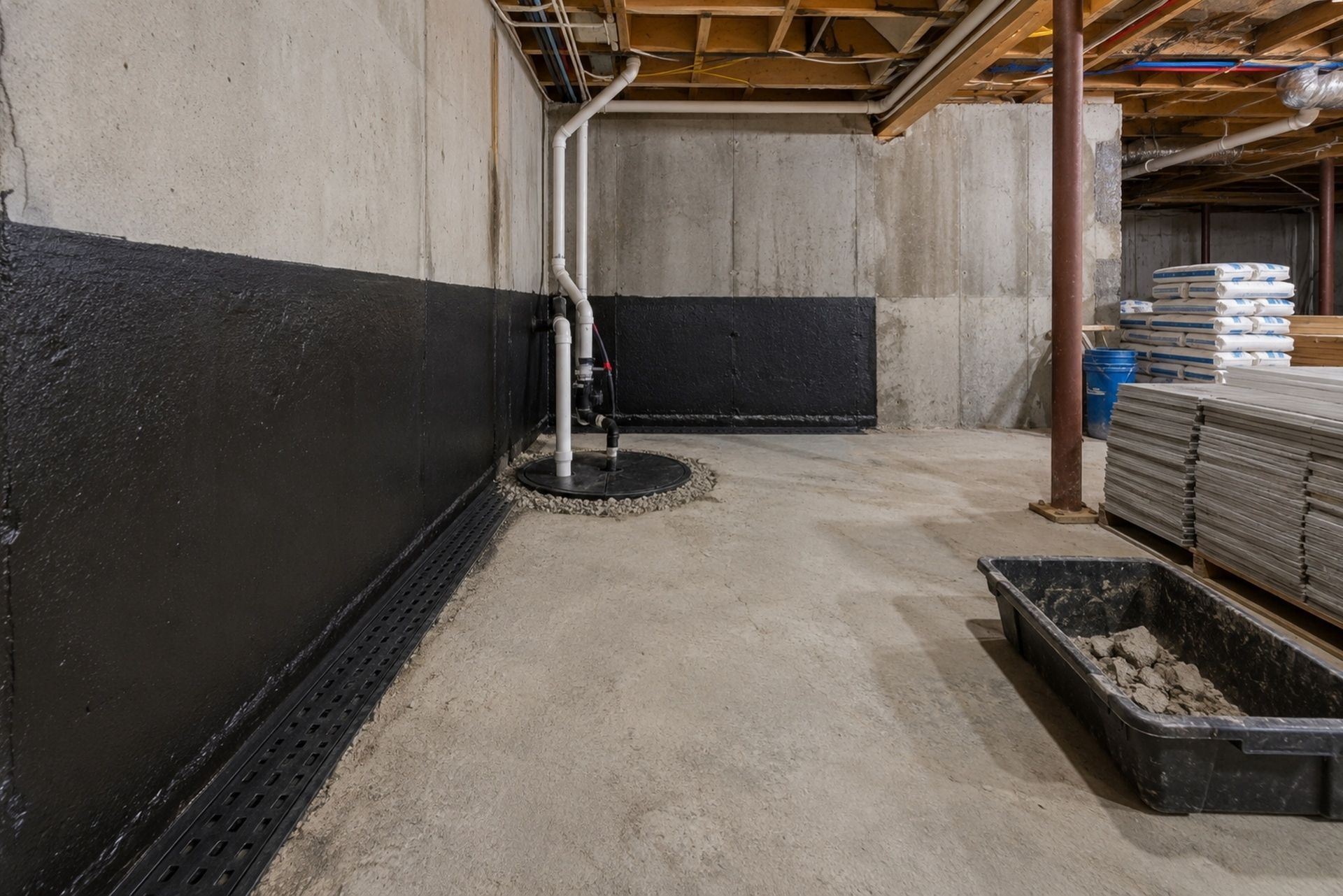
Excavation work creates a unique risk profile. You're digging near existing foundations, utility lines, and neighboring structures. A miscalculated dig can undermine an adjacent building's foundation, rupture a gas line, or cause a trench collapse. Your CGL policy covers some of these scenarios, but the equipment itself and the vehicles transporting it need separate coverage.
New York's AVOID Act has introduced a new timeline for liability in construction projects, which affects how long you can be held responsible for defects. This new liability timeline makes it even more important to maintain continuous coverage and keep records of your insurance history.
Inland Marine Insurance for Specialized Tools
Your mini excavators, hydraulic jacks, concrete pumps, and injection equipment represent a significant capital investment. Standard commercial property policies only cover these items while they're at your business location. Once they leave your shop, they're unprotected unless you carry inland marine insurance.
Inland marine policies cover tools and equipment in transit, at job sites, and in temporary storage. For foundation contractors, this coverage typically runs between $1,000 and $5,000 annually depending on the total value of your equipment. Make sure your policy covers rental equipment too, since many contractors rent specialized gear for specific projects and your rental agreement likely requires you to insure it.
Commercial Auto for Transporting Masonry Supplies
If your company owns trucks or vans used to transport materials, equipment, or crews, you need commercial auto insurance. Personal auto policies exclude vehicles used for business purposes, and New York requires minimum liability limits of $25,000/$50,000 for bodily injury and $10,000 for property damage on commercial vehicles.
Those state minimums are dangerously low for a construction operation. Most contractors carry at least $1 million in combined single-limit coverage. If your truck loaded with masonry supplies causes an accident on the BQE, a $25,000 policy won't cover the first ambulance ride. Work with your agent to set limits that reflect the actual risk of operating heavy-loaded vehicles in New York traffic.
Common Questions About NY Foundation Contractor Insurance
Do I need insurance if I'm a sole proprietor with no employees? Yes. New York requires workers' comp for all construction employers, and many interpretations include sole proprietors. You can obtain an exemption certificate, but GCs and property owners will still require you to carry CGL coverage.
How much does foundation contractor insurance cost in New York? A basic package with CGL, workers' comp, and commercial auto typically runs $15,000 to $40,000 annually for a small crew. Costs vary based on payroll, revenue, claims history, and the specific trades you perform.
Can I get coverage if I've had claims in the past? Yes, but your options narrow. Carriers in the standard market may decline you, but surplus lines insurers and state-assigned risk pools can provide coverage at higher premiums.
Does my policy cover work I did last year if a claim comes in now? For CGL on an occurrence basis, yes, as long as the policy was active when the work was performed. For claims-made policies like E&O, you need active coverage when the claim is filed.
What happens if I don't carry workers' comp in New York? The state can issue stop-work orders, impose fines of $2,000 per 10-day period, and pursue criminal charges. Individual corporate officers can be held personally liable. New York's
disaster preparedness requirements also expect insurers and employers to maintain
active compliance programs year-round.
Making the Right Choice for Your Business Stability
Getting the right insurance for your waterproofing or foundation business in New York isn't about buying the cheapest policy available. It's about building a coverage program that matches your actual risk profile. A basement waterproofing crew in Queens faces different exposures than a foundation underpinning company working on commercial projects in Manhattan, and their insurance programs should reflect that.
Start by auditing your current policies against the coverages discussed here. Look for gaps between your CGL, professional liability, and pollution coverage. Review your workers' comp classification codes to make sure they're accurate, since incorrect codes can inflate your premiums or leave you underinsured. Talk to a broker who specializes in construction trades and understands the specific challenges of foundation and waterproofing work in New York.
Your insurance program should evolve as your business grows. The policy that worked when you were a two-person crew won't protect a company running multiple job sites with subcontractors. Review your coverage annually, and always before taking on a project that's larger or more complex than your usual work.
ABOUT THE AUTHOR:
JELANI FENTON
As Owner of EG Bowman, I’m dedicated to continuing a legacy of trust and excellence built over more than seven decades. My focus is on helping businesses and individuals secure reliable, forward-thinking insurance solutions that protect their assets and support long-term growth.
Contact Us
OUR SERVICES
New York Business Insurance Coverage
General Liability Insurance


Workers Comp Insurance
Commercial Property Insurance
Commercial Auto Insurance
Commercial Umbrella Insurance
Business Owner's Policy
OUR SERVICES
New York Personal Insurance Coverage
Auto Insurance
Get coverage for your car and protect yourself on the road. We provide options for accidents, damages, and more.
Home Insurance
Protect your home and belongings with coverage for damages, theft, and unexpected events.
Umbrella Insurance
Extend your coverage with umbrella insurance for extra protection when you need it most.
Condo Insurance
Get peace of mind with condo insurance that protects your space and personal belongings.
NEW YORK BUSINESSES WE WORK WITH
Industries We Serve In New York
Electrician Insurance
Get coverage that protects electricians from accidents, property damage, and liability risks. Keep your tools, equipment, and business safe with plans designed for your needs. Request a quote to stay covered and focused on your work.
Real Estate Developer Insurance
Protect your projects with insurance that covers construction risks, liability, and property damage. We offer plans to keep your developments secure and on track. Get a quote to ensure your business is protected.
Wholesaler and Distributor Insurance
Protect your inventory and business operations with insurance that covers property damage and liability risks. Keep your supply chain running without disruptions. Get a quote to safeguard your business today.
What is an independent insurance agency, and how does it differ from a traditional insurance company?
An independent insurance agency works with multiple insurance carriers instead of just one. This allows us to provide customized coverage options tailored to your needs, rather than offering a one-size-fits-all policy. Independent agencies focus on finding the best value and coverage for their clients by comparing policies across various providers. At EG Bowman, we pride ourselves on offering personalized service and expertise to ensure our clients get the coverage that fits their specific needs.
What types of insurance does EG Bowman offer?
EG Bowman offers a wide range of insurance solutions, including commercial insurance, personal lines, property insurance, liability insurance, and specialized policies tailored to niche industries. Our focus is on protecting businesses and individuals from unforeseen risks. Whether you're looking for coverage for your home, car, or business, our team works to provide the most comprehensive and competitive options available. We’re here to make sure you’re prepared for the unexpected.
How does EG Bowman help businesses with insurance?
We specialize in understanding the unique risks businesses face and crafting insurance solutions to address them. From general liability to workers' compensation and industry-specific policies, our team ensures your business is protected at every level. We also provide risk management consultations to identify potential vulnerabilities and recommend solutions. With decades of experience, EG Bowman acts as a trusted partner, helping businesses navigate their insurance needs confidently.
Why should I choose EG Bowman as my insurance agency?
At EG Bowman, we combine decades of expertise with a client-focused approach to provide unparalleled service. Unlike larger, faceless companies, we build long-term relationships with our clients, offering personalized advice and solutions. We prioritize your needs, shop for the best rates, and advocate on your behalf when it comes to claims. Our goal is to be your trusted advisor in navigating insurance complexities and ensuring peace of mind.
How can I get a quote for insurance through EG Bowman?
Getting a quote with EG Bowman is simple and hassle-free. You can call us directly at 212-425-8150 or email us at info@egbowman.com to discuss your insurance needs. Our team will gather information about your situation and compare policies from multiple carriers to provide the best options. Whether it’s personal or business insurance, we ensure the process is transparent, efficient, and tailored to you.
Does EG Bowman offer insurance for small businesses?
Yes, EG Bowman specializes in working with small businesses. We understand the unique challenges small businesses face, from managing risks to staying within budget. Our insurance solutions cover everything from general liability to property insurance and more. By tailoring policies to fit your specific needs, we ensure your small business is well-protected while keeping costs manageable.
FAQS PAGE
Frequently Asked Questions
We understand you may have questions about our insurance services and how we can help protect what matters most to you. Below, you'll find answers to some of the most common questions we receive. If you don’t see the information you’re looking for, feel free to reach out to us directly. Our team is here to assist you with personalized advice and solutions.
NEWS & BLOG
Explore Our New York Insurance Blog



Contact Us