
General Liability vs Business Owners Policy for New York Small Businesses
See How We're Different
or call us: 212-425-8150
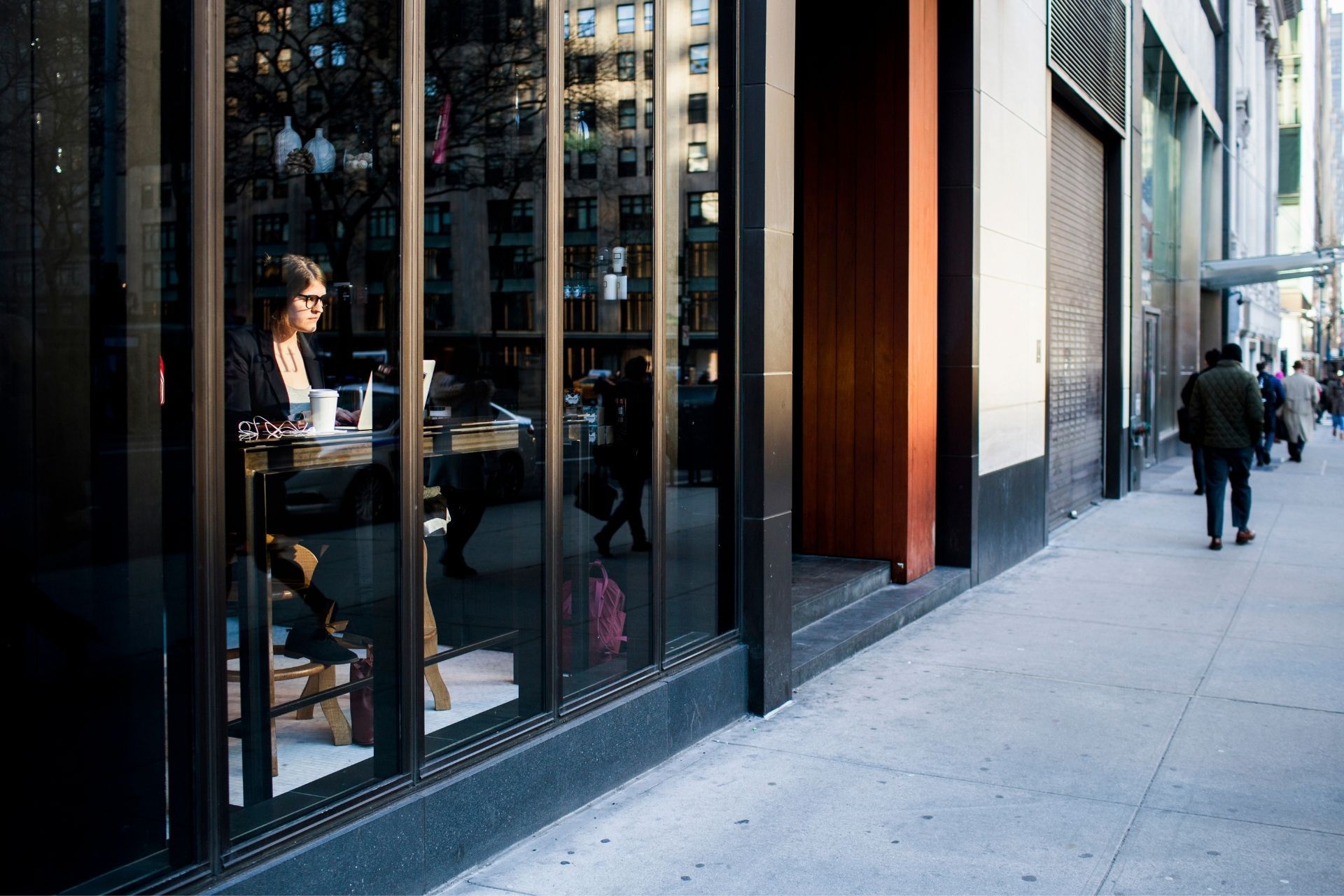
A burst pipe floods your Brooklyn retail shop on a Friday night. By Monday morning, you're looking at $40,000 in ruined inventory, a week of lost sales, and a landlord demanding proof of insurance before you reopen. Whether your policy covers all of that, or just part of it, depends on the type of coverage you chose when you first signed up.
For New York small businesses, choosing between a standalone general liability policy and a business owners policy (BOP) is one of the most consequential early decisions you'll make. Both protect you from lawsuits, but they differ sharply in scope, cost, and how well they handle the financial realities of operating in one of the most expensive states in the country. The right pick depends on what you own, where you operate, and how much risk you're willing to absorb on your own.
This guide breaks down the real differences, walks through New York-specific cost pressures, and helps you figure out which coverage structure fits your business.
Understanding General Liability Insurance for NY Businesses
General liability (GL) insurance is the foundation of almost every small business insurance program. It covers third-party claims, meaning situations where someone outside your company gets hurt or suffers property damage because of your operations. If a customer slips on a wet floor in your Manhattan coffee shop, or your employee accidentally damages a client's laptop during a service call, GL responds to those claims.
A standard GL policy also covers personal and advertising injury. That includes claims like defamation, slander, or copyright infringement in your marketing materials. For many service-based businesses that don't own significant physical assets, a GL policy alone might be sufficient.
Core Protections: Bodily Injury and Property Damage
The two pillars of any GL policy are bodily injury and property damage liability. Bodily injury covers medical expenses, legal defense costs, and settlements when someone is physically harmed on your premises or by your operations. Property damage works the same way but applies when you damage someone else's belongings or property.
A typical GL policy for a New York small business carries $1 million per occurrence and $2 million aggregate limits. These numbers matter because New York juries tend to award higher damages than national averages. A slip-and-fall claim that might settle for $15,000 in other states can easily reach $50,000 or more in the five boroughs.
One thing to keep in mind: GL does not cover your own property. If that burst pipe destroys your equipment, a standalone GL policy won't pay a dime toward replacing it.
Why New York Landlords Often Require GL Coverage
If you lease commercial space in New York, your landlord will almost certainly require proof of general liability insurance before handing over the keys. Most leases specify minimum coverage amounts, often $1 million per occurrence, and require you to name the landlord as an additional insured on your policy.
This isn't optional or negotiable in most cases. Landlords face their own liability exposure under New York law, and your GL policy helps shield them from lawsuits arising from your business activities. In fact, New York's Labor Law Section 240, sometimes called the Scaffold Law, creates absolute liability for property owners in certain injury scenarios, which makes landlords especially cautious about tenant insurance requirements.
Failing to maintain the required GL coverage can trigger a lease default, giving your landlord grounds to terminate your lease entirely.
The Business Owners Policy (BOP) Advantage
A BOP bundles general liability with commercial property insurance into a single policy, typically at a lower premium than buying each coverage separately. Think of it as a package deal designed specifically for small to mid-sized businesses. Most BOPs also include business interruption coverage as a standard feature, which is something you'd otherwise need to purchase as a separate add-on.
Insurance carriers use specific criteria to determine whether a business qualifies for a BOP, including annual revenue, number of employees, and square footage. Most small businesses with fewer than 100 employees and under $5 million in annual revenue qualify. The bundled pricing typically saves 15% to 30% compared to purchasing each component individually.
Combining Liability with Commercial Property Insurance
The commercial property component of a BOP covers your physical assets: furniture, equipment, inventory, signage, and sometimes tenant improvements you've made to a leased space. If a fire destroys your restaurant kitchen or a theft clears out your retail inventory, the property portion of your BOP pays to replace what you've lost.
This is the single biggest gap in a standalone GL policy. A bakery owner in Astoria with $80,000 worth of ovens, mixers, and display cases has no property protection under GL alone. One kitchen fire could wipe out the entire business. A BOP closes that gap without requiring a second policy or a second premium payment.
The property coverage also extends to items like computers, point-of-sale systems, and specialized tools that many business owners forget to insure until it's too late.
Business Interruption: Protecting Your Income
Business interruption coverage is arguably the most underappreciated part of a BOP. If a covered event, like a fire, storm, or vandalism, forces you to close temporarily, this coverage replaces your lost income and pays for ongoing expenses like rent and payroll during the shutdown.
For New York businesses paying $5,000 to $15,000 per month in commercial rent, even a two-week closure can create a financial crisis. Business interruption coverage keeps you solvent while repairs happen. It can also cover the cost of operating from a temporary location if your primary space is unusable.
Without this coverage, many small businesses simply don't survive an extended closure. The expenses keep piling up even when revenue drops to zero.
Comparing GL and BOP Coverage Side-by-Side
The differences between general liability and a business owners policy become clearest when you compare them feature by feature. A GL policy is narrower but simpler. A BOP is broader and, for businesses with physical assets, often the smarter financial choice.
The real question isn't which policy is "better" in the abstract. It's which one matches your actual risk profile. A freelance consultant working from home has different needs than a restaurant owner in SoHo.
Comparison Table: Features and Limits
| Feature | General Liability (GL) | Business Owners Policy (BOP) |
|---|---|---|
| Bodily injury liability | Included | Included |
| Property damage liability | Included (third-party only) | Included (third-party only) |
| Your own property coverage | Not included | Included |
| Business interruption | Not included | Included |
| Equipment breakdown | Not included | Often included or available |
| Typical annual cost (NY) | $500 - $2,500 | $1,000 - $4,000 |
| Best for | Service businesses with few physical assets | Businesses with equipment, inventory, or a physical location |
| Landlord requirement | Satisfies GL requirement | Satisfies GL requirement |
| Bundled savings | N/A | 15% - 30% vs. buying separately |
If you own or lease significant physical assets, the BOP almost always makes more financial sense. The added cost is modest compared to the coverage gap you'd face with GL alone.
New York Specific Considerations
New York presents unique insurance challenges that don't exist in most other states. Between the state's aggressive liability laws, sky-high real estate costs, and dense urban operating environments, small business owners face cost pressures that directly affect both premiums and coverage needs.
Understanding these factors helps you avoid buying too little coverage or paying for protections you don't actually need.
Navigating High Real Estate and Equipment Costs
Replacing commercial equipment and rebuilding leased space in New York costs significantly more than the national average. A commercial oven that costs $12,000 in Dallas might run $14,000 to $16,000 in Manhattan once you factor in delivery, installation, and permitting. These inflated replacement costs mean your property coverage limits need to be higher than what a business in a lower-cost state would carry.
Construction and renovation costs are especially steep. New York construction insurance costs run 200% to 500% higher than in other states, a gap driven largely by the state's Scaffold Law and its absolute liability standard. If you need to rebuild or renovate after a covered loss, those inflated construction costs will eat through inadequate policy limits fast.
Review your BOP's property coverage limits annually. What was sufficient two years ago may leave you underinsured today given New York's rising costs.
Industry-Specific Risks in the Empire State
Different industries face different risk profiles in New York. A contractor working on a brownstone renovation in Park Slope faces exposure under the Scaffold Law that can dramatically increase insurance and project costs. A restaurant in the East Village faces slip-and-fall claims, liquor liability, and food contamination risks. A tech startup in a WeWork space might only need basic GL.
The cost of the Scaffold Law alone has been quantified as a massive hidden tax on construction across the state, adding billions in annual costs. Even if you're not a contractor, this law affects you indirectly through higher construction and renovation expenses after a property loss.
New York also requires specific coverages for certain industries. Businesses selling alcohol need liquor liability. Companies with vehicles need commercial auto. These aren't covered by either GL or a standard BOP, so factor in those additional policies when building your insurance program.
Common Questions About NY Small Business Insurance
FAQ: Cost, Eligibility, and Requirements
Does New York State legally require general liability insurance? No state law mandates GL for all businesses, but many industries, landlords, and contracts require it as a practical matter. You'll struggle to sign a commercial lease or win a contract without it.
How much does a BOP cost for a small business in New York? Most small businesses pay between $1,000 and $4,000 per year. Premiums vary based on your industry, location within the state, revenue, and claims history. Businesses in Manhattan generally pay more than those upstate.
Can I add professional liability to a BOP? Yes. Most carriers offer professional liability (errors and omissions) as an endorsement to a BOP. This is especially important for consultants, accountants, and tech service providers.
Is a BOP enough coverage for a New York restaurant? A BOP provides a solid foundation, but restaurants typically need additional coverages: liquor liability, workers' compensation, and possibly commercial auto. A BOP alone won't cover everything.
What's the difference between "occurrence" and "claims-made" policies? An occurrence policy covers incidents that happen during the policy period, regardless of when the claim is filed. A claims-made policy only covers claims filed while the policy is active. Most GL and BOP policies are occurrence-based, which provides broader long-term protection.
Do I need separate insurance for my home-based business in New York? Yes. Homeowners insurance typically excludes business activities. Even a home-based business should carry at least a GL policy, and a BOP if you have business equipment worth protecting.
Making the Right Choice for Your NY Startup
Choosing between standalone general liability and a business owners policy for your New York small business comes down to one core question: do you have physical assets worth protecting? If you're a solo consultant with a laptop and a home office, a GL policy covers your liability exposure at the lowest possible cost. If you operate from a commercial space, own equipment, or carry inventory, a BOP gives you meaningfully better protection for a modest premium increase.
New York's high costs, aggressive liability laws, and expensive real estate make adequate coverage more important here than in almost any other state. Underinsuring to save a few hundred dollars a year is a gamble that rarely pays off. One claim, one fire, or one forced closure can cost more than a decade of premiums.
Get quotes for both options from at least two or three carriers. Compare not just the premiums but the coverage limits, exclusions, and available endorsements. And revisit your coverage every year, because your business, and New York's cost environment, will keep changing.
Recent Post


Contact Information
Phone
212-425-8150
info@egbowman.com