NYC Cleanroom Technician Workers Compensation: A Practical Guide
See How We're Different
or call us: 212-425-8150
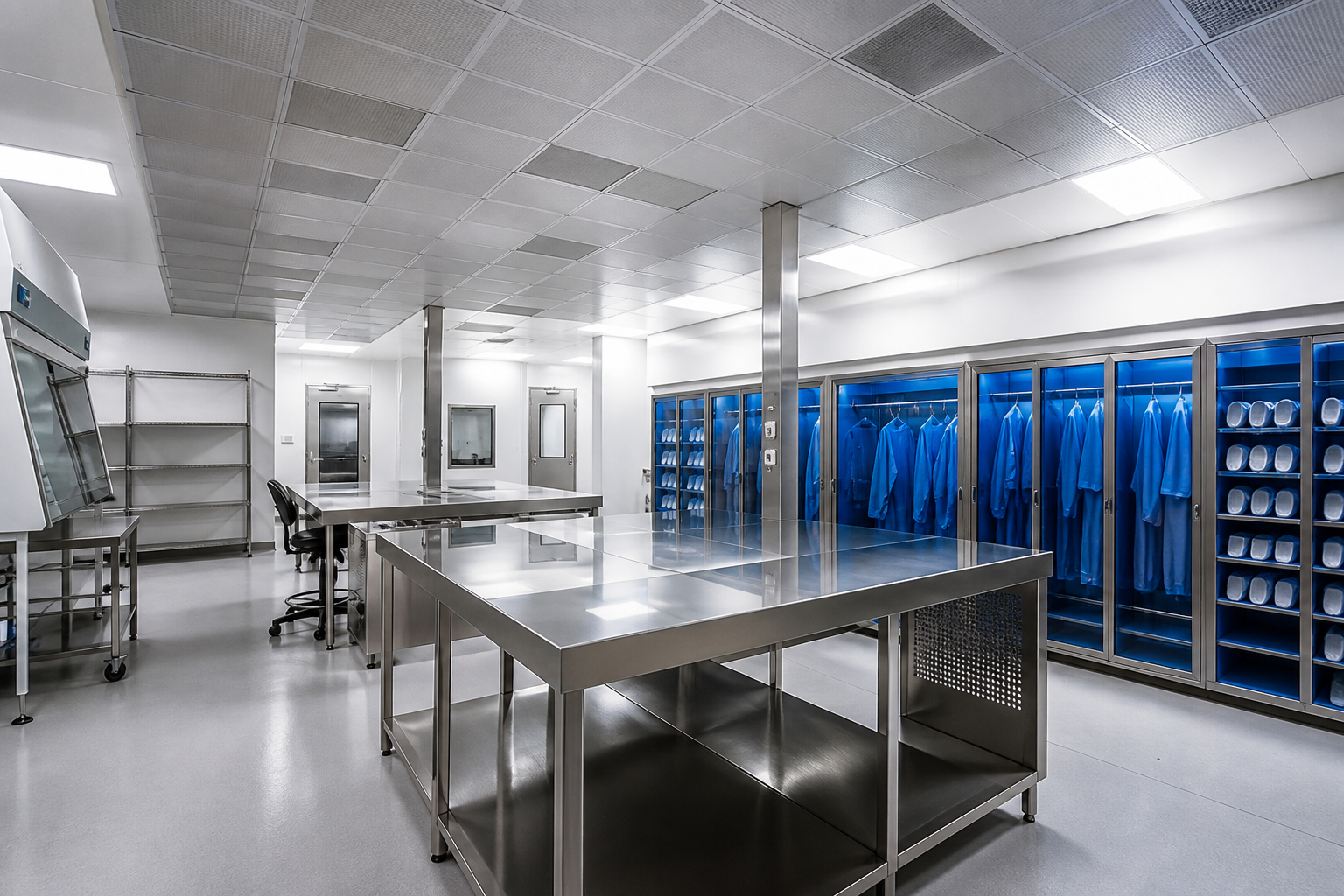
Cleanroom labs in New York City run on precision — filtered air, validated procedures, and technicians who gown in and out a dozen times a shift. That same precision rarely carries over to the insurance file. When we sit down with lab owners in Manhattan, Long Island City, and the Bronx, the questions about NYC cleanroom technician workers compensation usually surface after an audit bill lands, not before.
Here's what we walk through with them.
How NYC Cleanroom Technician Workers Compensation Classifications Work
Classification drives everything on a workers' comp policy, and lab work sits in a genuinely tricky spot. The New York Compensation Insurance Rating Board publishes classification Code 4511 "Analytical Chemist", which applies to employers that test materials — blood, soil, water, bacteria, food, liquids, gas, and other specimens — received from outside sources. The code includes both laboratory and outside employees. Independent medical and industrial testing labs are often assigned to it by analogy.
If your cleanroom does outside-sample testing, that's a conversation worth having early. Ask your broker and carrier directly: how do our technicians map into our classifications? Where does gowning time, chemical handling, and off-site sample collection land? Misclassification is one of the most common sources of audit surprises we see, and it's far easier to sort out at renewal than after the fact.
The Three Claim Patterns We See in NYC Labs
- Gowning and clean-side movement. Coveralls, booties, and shoe covers on epoxy floors are a slip setup. Gowning rooms are tight, benches are low, and technicians move fast between airlocks. Slips, trips, and awkward-posture strains in the gowning vestibule show up more often than most owners expect.
- Chemical handling and exposure. Solvents, reagents, cryogenics, and compressed gas all carry their own incident profiles. Splash injuries, respiratory complaints, and cold burns each get reported and investigated differently.
- Repetitive strain. Pipetting, microscopy, and long stretches at a biosafety cabinet produce wrist, shoulder, and neck claims that build slowly. These are the claims that get reported late — and late reporting complicates everything downstream.
Whichever pattern you're dealing with, claims run through the New York State Workers' Compensation Board. Knowing that process before you need it makes a real difference in how a claim moves.
Let's Look at Your Program Together
E.G. Bowman has been advising New York businesses from Lower Manhattan for decades, and lab and testing operations are a market we know well. If you'd like a second set of eyes on your classifications, payroll splits, and claims history, we offer a free insurance review — not a price quote, just a clear read on where your program stands.
Call 212-425-8150, email info@egbowman.com, or visit us at 5 Hanover Square, Suite 2103, New York, NY. You can also learn more at egbowman.com.
This article is educational and general in nature. It is not insurance, legal, or tax advice, and it does not create or confirm coverage. Classification and coverage questions should be confirmed with your broker and carrier.
Recent Post


Contact Information
Phone
212-425-8150
info@egbowman.com