New York Printing Ink Manufacturer Insurance
See How We're Different:
or Call Us: 212-425-8150
Most Common Business Policies
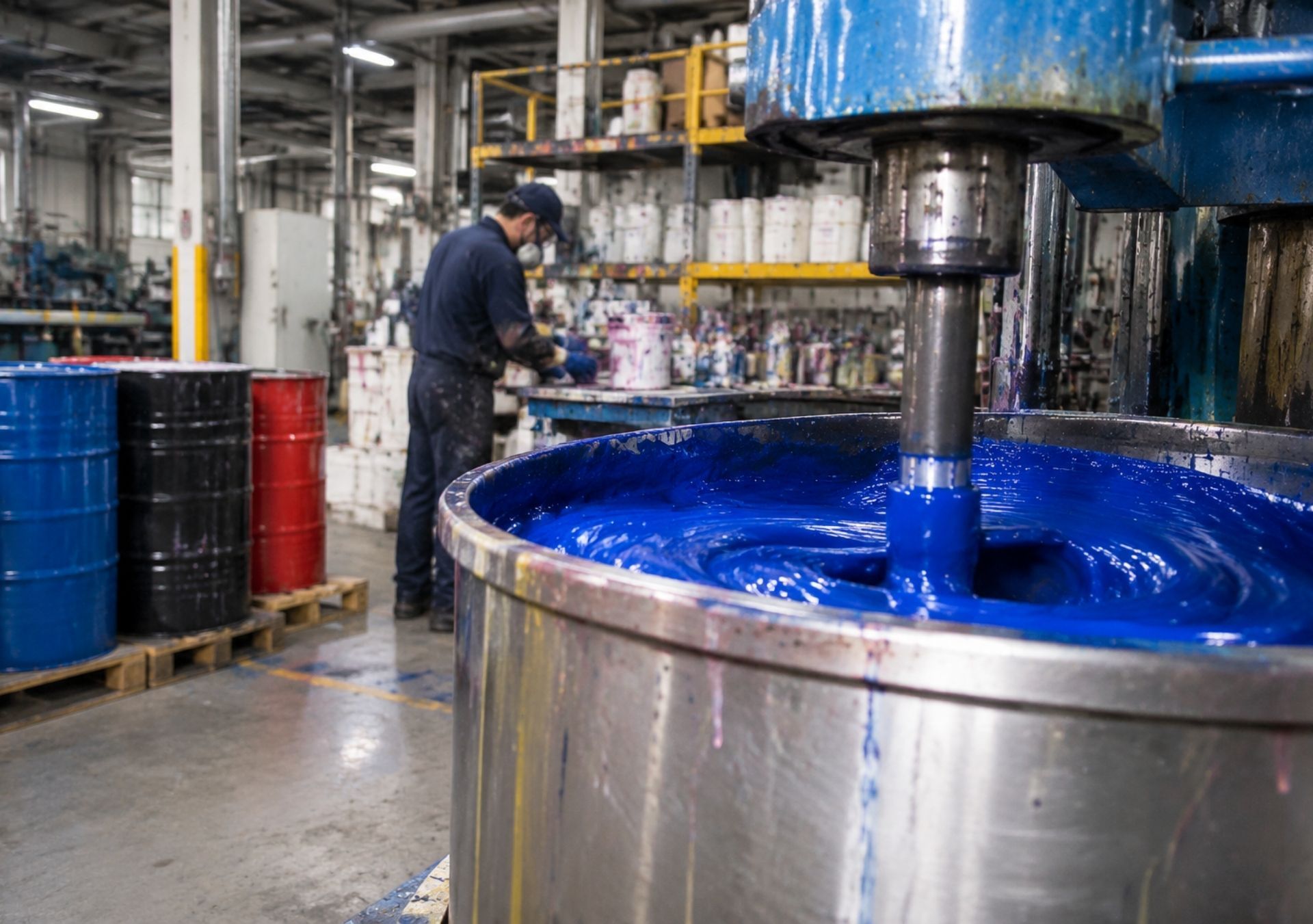
A single drum of solvent-based ink tipping over on a loading dock in Long Island City can trigger a fire department response, a DEC spill report, an injured forklift operator, and a customer delay penalty, all before lunch. That's the reality of making printing ink in New York. You're running a chemical operation that happens to sell to printers, packagers, and converters, and your insurance program has to reflect that.
Most owners we talk to started with a generic manufacturing package and added policies as problems surfaced. The trouble is that ink plants face exposures a standard policy doesn't anticipate: pigment dust, volatile solvents, food-contact migration claims, and proprietary formulas worth more than the building they're mixed in.
This guide answers a practical question: what coverage does a New York ink maker actually need across
liability, property, auto, cyber, and workers' compensation? You'll see where the common gaps sit, which policies New York requires by law, and how a comprehensive program differs from a bare-minimum one. If you produce publication, packaging, UV-curable, or specialty inks anywhere from the Bronx to Buffalo, the details below apply to your plant.
Risk Management for New York Printing Ink Manufacturers
Insurance works best when it backs up a real risk management plan rather than replacing one. Underwriters who write chemical manufacturing accounts look hard at your housekeeping, solvent storage, and documentation before quoting. A plant with sloppy SDS records and overloaded flammable cabinets will pay more, or get declined outright.
Your market position also shapes your exposure. Demand for publication inks is contracting at a CAGR of 5.0%, while growth is shifting toward packaging and specialty inks. That shift matters for insurance because packaging inks, especially those used on food wrappers, cereal boxes, and beverage labels, carry far higher product liability stakes than newsprint ink ever did.
Here's what a solid risk program for an ink plant typically includes:
- Chemical inventory controls: Track solvents, resins, and pigments by quantity and storage location, and keep SDS sheets current.
- Food-contact documentation: Maintain Migration Test Summaries and Statements of Composition for every food-grade formula you ship.
- Hot work and ignition controls: Enforce permits for welding or grinding near mixing rooms.
- Contract review: Read customer agreements for indemnity and additional insured requirements before you sign.
- Incident logging: Document near-misses, not just injuries. Carriers reward plants that can show trend data.
Geography plays a role too. A plant in Queens or Brooklyn typically faces higher property, auto, and liability rates than a comparable facility in the Rochester or Syracuse area, driven by real estate values, traffic density, and the litigation climate in downstate venues. Plan your budget accordingly.
Core Liability Protections for Chemical Producers
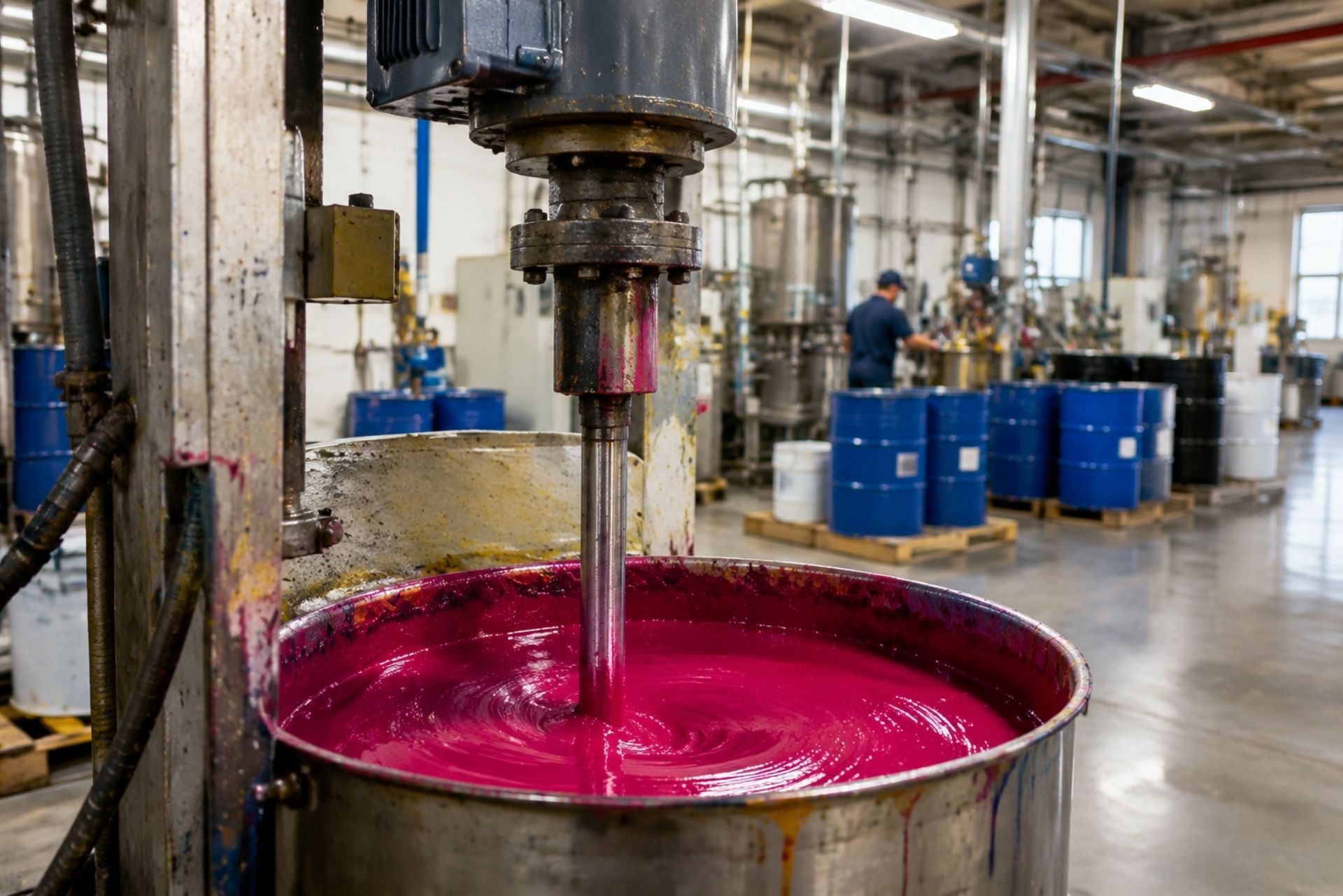
Liability is where ink manufacturers face their largest financial exposure. A single lawsuit from a packaging customer whose product was recalled can exceed your annual revenue. These policies protect your balance sheet when someone claims your ink, your premises, or your operations caused them harm.
General Liability and Product Safety
Commercial general liability (CGL) covers bodily injury and property damage to third parties, plus personal and advertising injury. For an ink plant, the products-completed operations portion of that policy does the heavy lifting. If a customer's press operator develops a skin reaction from your ink, or a batch damages an expensive anilox roll, that claim lands here.
One distinction trips up a lot of owners: general liability versus product recall coverage. CGL pays for injury or damage your product causes to others. It doesn't pay to pull contaminated product off store shelves, and most policies contain a specific "sistership" exclusion for recall expenses. If your ink ends up on 400,000 snack bags and the brand owner orders a recall over migration concerns, you'll need a separate product recall or contamination policy to cover those logistics costs.
Documentation is your strongest defense here. Food-grade ink makers must provide Migration Test Summaries and Statements of Composition to show compliance. When a claim surfaces, those records often decide whether your carrier can successfully defend the case or ends up settling.
Watch for these common gaps:
- Policies with a "your product" exclusion that's broader than standard wording
- Customer contracts requiring primary and non-contributory language your policy doesn't include
- Low aggregate limits that a single packaging claim could exhaust
Environmental and Pollution Liability
Standard CGL policies contain an absolute pollution exclusion. That means if solvent leaks into a storm drain, pigment dust settles on a neighbor's property, or a tank failure contaminates soil, your general liability policy almost certainly won't respond. This is the single most dangerous gap we see in ink manufacturer programs.
A pollution legal liability (PLL) policy fills it. Look for coverage that includes on-site cleanup, third-party bodily injury and property damage, and legal defense against regulatory actions. New York's DEC takes spill reporting seriously, and remediation on an urban site can run long and expensive, especially if historical contamination gets discovered during your cleanup.
The timing of coverage matters. Most PLL policies are written on a claims-made basis, so you need continuous coverage without lapses. If you switch carriers, confirm your retroactive date carries over. Losing it can wipe out protection for years of past operations.
Insuring Your Facility, Equipment, and Inventory
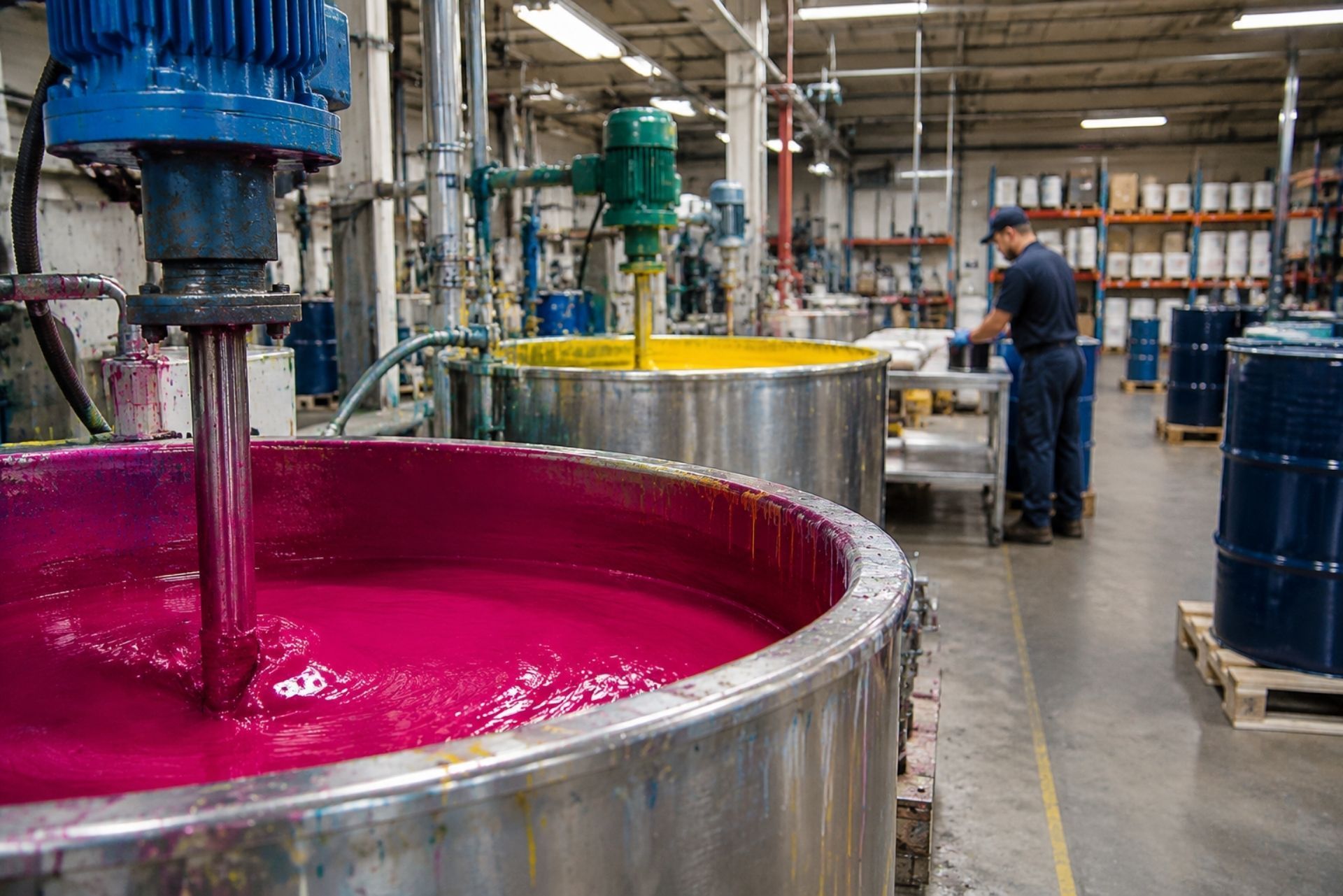
Your physical plant holds the mixers, mills, dispersers, and tanks that make production possible. Losing them means losing revenue, often for months. Property and time-element coverage need to be built around how an ink plant actually operates.
Commercial Property and Specialized Machinery
Commercial property insurance covers your building, equipment, and inventory against fire, wind, theft, and similar perils. For ink manufacturers, fire is the dominant concern given the flammable solvents and combustible dust involved. Make sure you insure at replacement cost, not actual cash value. A ten-year-old three-roll mill depreciates fast on paper, but replacing it costs current market price.
Equipment breakdown coverage is a separate piece that many owners skip. Property policies generally exclude mechanical and electrical failure. If a motor burns out on your bead mill or a control panel shorts during a power surge, equipment breakdown pays for repair and the resulting spoiled batch. For plants running temperature-sensitive UV or EB-curable inks, spoilage from refrigeration or climate control failure deserves explicit coverage too.
Inventory valuation is another overlooked detail. Raw pigments, finished ink, and work-in-progress should be valued accurately and updated seasonally if your stock levels swing. Underinsuring triggers coinsurance penalties, which reduce your claim payout proportionally.
Business Interruption and Supply Chain Issues
Business interruption (BI) coverage replaces lost income and pays continuing expenses like payroll and rent while your plant is down after a covered loss. The catch is that BI only triggers after direct physical damage to your property. A pandemic shutdown or a pigment shortage alone won't qualify.
Contingent business interruption extends coverage to losses at your suppliers or key customers. If your sole resin supplier in New Jersey suffers a fire, contingent BI can cover your lost income. Given how concentrated some specialty pigment supply chains are, this endorsement often pays for itself.
New York regulators are paying closer attention to this issue on the carrier side. The
2026 DFS circular requires property and casualty insurers to show strong disaster response and business continuity plans. Ask your agent how your carrier handles catastrophe claims before you need one, and set your BI period of restoration realistically. Twelve months is often too short to rebuild and requalify food-grade production lines.
Comparison: Basic vs. Comprehensive Manufacturing Coverage
Plenty of ink plants carry what looks like full coverage until a claim exposes the holes. The table below shows how a basic manufacturing package typically compares with a program built specifically for chemical producers.
| Coverage Area | Basic Package | Comprehensive Program |
|---|---|---|
| General Liability | Standard CGL, modest limits | CGL plus umbrella, contract-compliant endorsements |
| General Liability | Standard CGL, modest limits | CGL plus umbrella, contract-compliant endorsements |
| Product Recall | Not included | Separate recall/contamination policy |
| Pollution | Excluded | Pollution legal liability, on-site and off-site |
| Property Valuation | Actual cash value common | Replacement cost, agreed value |
| Equipment Breakdown | Often missing | Included with spoilage coverage |
| Business Interruption | Direct loss only | Adds contingent BI and extended restoration |
| Commercial Auto | Owned vehicles only | Owned, hired, non-owned, hazmat-compliant |
| Cyber | None or small sublimit | Standalone policy with trade secret and ransomware coverage |
| Workers' Comp & DBL/PFL | Statutory minimums | Statutory plus employer's liability limits raised |
The basic column isn't wrong for every operation. A small specialty shop blending water-based inks for screen printers might get by with less. That said, once you supply food packaging, store bulk solvents, or ship across state lines, the gaps in the left column become real financial threats.
Comprehensive programs cost more upfront. What you're buying is the difference between a covered loss and a business-ending one, so weigh the premium against your largest plausible claim rather than last year's quote.
New York State Mandates: Workers' Comp and Disability
New York doesn't give you a choice here. If you employ anyone, you must carry workers' compensation, plus disability benefits (DBL) and paid family leave (PFL) coverage. Penalties for noncompliance are steep, and the Workers' Compensation Board can issue stop-work orders and fines that accumulate quickly.
Workers' comp pays medical bills and lost wages for employees hurt on the job. In ink plants, the most common claims include chemical burns and dermatitis, respiratory issues from pigment dust or solvent vapors, back injuries from lifting drums and pails, and lacerations from mill and mixer maintenance. Each of these is preventable, and each affects your experience modification rate when it happens.
There's some good news on cost. New York employers saw a 22% average decrease in workers' compensation loss cost rates, with the 2026 and 2027 assessment rates set at 7.0%. The Board officially set the 2026 assessment rate at 7.0% of standard premium under Subject Number 046-1781. Your actual premium still depends on your class code, payroll, and claims history, so don't assume your bill drops by the full average.
A few practical points for your plant:
- Classify correctly: Make sure office staff and outside sales reps aren't lumped into the manufacturing class code.
- Raise employer's liability limits: The standard limit is often too low for serious third-party-over actions.
- Watch the Scaffold Law angle: If contractors work at heights on your property, your liability exposure under New York Labor Law can be significant.
- Keep DBL/PFL current: These are separate requirements from workers' comp and often handled through a different policy.
Getting your workers' compensation program right protects your employees and keeps the state off your back.
Protecting Fleet and Digital Assets
Ink plants increasingly depend on two assets that sit outside the factory walls: the trucks moving product to customers and the data defining what you make. Both need dedicated coverage.
Commercial Auto for Ink Distribution
Your personal auto policy won't cover a company van hauling five-gallon pails to a printer in Westchester. Commercial auto insurance covers liability and physical damage for vehicles your business owns, and New York sets mandatory minimums for liability and no-fault coverage. For a delivery fleet operating in NYC traffic, carrying only the minimum is a serious risk.
Hazmat exposure changes the picture. Many solvent-based inks qualify as flammable liquids under DOT rules, and transporting them in certain quantities triggers placarding, driver training, and sometimes federal filing requirements. A crash that spills product turns an ordinary auto claim into an environmental one. Confirm your auto policy includes pollution coverage for cargo spills, since many standard forms exclude it.
Two coverages owners frequently miss: hired auto, for rental trucks during peak season, and non-owned auto, for employees running errands in their own cars. If your sales rep rear-ends someone while visiting a customer, the injured driver will sue your company, not just the rep.
Cyber Liability for Proprietary Formulas
Your formulas are your competitive advantage. A custom Pantone match or a low-migration packaging ink developed over years can be stolen in minutes through a compromised email account or a disgruntled employee with a USB drive.
Cyber liability policies cover data breach response, ransomware, business interruption from system outages, and liability for exposed customer data. For manufacturers, the operational technology angle matters most. Modern dispensing systems and color-matching software connect to networks, and ransomware that locks your batch control system stops production as effectively as a fire.
One nuance to understand: most cyber policies don't pay for the lost value of stolen intellectual property itself. They cover response costs, extortion payments, and resulting income loss. If trade secret theft is your primary fear, ask about specialized IP coverage and tighten your access controls, because insurance alone won't restore a leaked formula's value.
Common Questions About Ink Manufacturing Insurance
Does general liability cover a chemical spill at my plant? Almost never. Standard CGL policies include a pollution exclusion, so you'll need a separate pollution legal liability policy for spills and contamination.
Is workers' comp required if I only have a few employees? Yes. New York requires workers' compensation, disability benefits, and paid family leave coverage for nearly all employers, regardless of size.
What's the difference between product liability and product recall coverage? Product liability pays when your ink injures someone or damages property. Recall coverage pays the costs of pulling defective or contaminated product from the market, which liability policies typically exclude.
Why does my plant in Brooklyn cost more to insure than a similar one upstate? Downstate premiums reflect higher property values, heavier traffic, and a more expensive litigation environment. Location affects property, auto, and liability rates alike.
Will cyber insurance cover the value of a stolen ink formula? Usually not. Cyber policies cover breach response, ransomware, and downtime, but the lost value of intellectual property generally requires specialized coverage.
Do I need special auto coverage to deliver solvent-based inks?
Often, yes. Hazardous materials transport may trigger DOT requirements, and you should confirm your policy covers cargo spill pollution.
Making the Right Choice for Your Plant
Assembling the right program comes down to matching coverage with how your plant actually runs. A shop blending water-based inks for local screen printers has a different risk profile than a facility producing low-migration inks for national food brands. Start with an honest inventory of what you make, who buys it, and what could go wrong.
Your next steps:
- Audit current policies: Look specifically for pollution exclusions, recall gaps, and actual cash value property terms.
- Pull customer contracts: Confirm your liability limits and endorsements match what packaging and brand clients require.
- Verify New York compliance: Check that workers' comp, DBL, and PFL are active and your class codes are accurate.
- Review fleet and hazmat exposure: Confirm cargo pollution, hired, and non-owned auto coverage.
- Assess cyber risk: Map which systems control production and who can access formula files.
So, what insurance does a New York ink manufacturer need? At minimum, the state mandates plus liability and property. Realistically, a plant serving packaging markets needs pollution, recall, contingent BI, and cyber protection too. Work with an agent who understands chemical manufacturing, and review your program annually as your product mix shifts. The plants that survive major claims are the ones that planned for them before the drum tipped over.
ABOUT THE AUTHOR:
JELANI FENTON
As Owner of EG Bowman, I’m dedicated to continuing a legacy of trust and excellence built over more than seven decades. My focus is on helping businesses and individuals secure reliable, forward-thinking insurance solutions that protect their assets and support long-term growth.
Contact Us
OUR SERVICES
New York Business Insurance Coverage
General Liability Insurance


Workers Comp Insurance
Commercial Property Insurance
Commercial Auto Insurance
Commercial Umbrella Insurance
Business Owner's Policy
OUR SERVICES
New York Personal Insurance Coverage
Auto Insurance
Get coverage for your car and protect yourself on the road. We provide options for accidents, damages, and more.
Home Insurance
Protect your home and belongings with coverage for damages, theft, and unexpected events.
Umbrella Insurance
Extend your coverage with umbrella insurance for extra protection when you need it most.
Condo Insurance
Get peace of mind with condo insurance that protects your space and personal belongings.
NEW YORK BUSINESSES WE WORK WITH
Industries We Serve In New York
Electrician Insurance
Get coverage that protects electricians from accidents, property damage, and liability risks. Keep your tools, equipment, and business safe with plans designed for your needs. Request a quote to stay covered and focused on your work.
Real Estate Developer Insurance
Protect your projects with insurance that covers construction risks, liability, and property damage. We offer plans to keep your developments secure and on track. Get a quote to ensure your business is protected.
Wholesaler and Distributor Insurance
Protect your inventory and business operations with insurance that covers property damage and liability risks. Keep your supply chain running without disruptions. Get a quote to safeguard your business today.
What is an independent insurance agency, and how does it differ from a traditional insurance company?
An independent insurance agency works with multiple insurance carriers instead of just one. This allows us to provide customized coverage options tailored to your needs, rather than offering a one-size-fits-all policy. Independent agencies focus on finding the best value and coverage for their clients by comparing policies across various providers. At EG Bowman, we pride ourselves on offering personalized service and expertise to ensure our clients get the coverage that fits their specific needs.
What types of insurance does EG Bowman offer?
EG Bowman offers a wide range of insurance solutions, including commercial insurance, personal lines, property insurance, liability insurance, and specialized policies tailored to niche industries. Our focus is on protecting businesses and individuals from unforeseen risks. Whether you're looking for coverage for your home, car, or business, our team works to provide the most comprehensive and competitive options available. We’re here to make sure you’re prepared for the unexpected.
How does EG Bowman help businesses with insurance?
We specialize in understanding the unique risks businesses face and crafting insurance solutions to address them. From general liability to workers' compensation and industry-specific policies, our team ensures your business is protected at every level. We also provide risk management consultations to identify potential vulnerabilities and recommend solutions. With decades of experience, EG Bowman acts as a trusted partner, helping businesses navigate their insurance needs confidently.
Why should I choose EG Bowman as my insurance agency?
At EG Bowman, we combine decades of expertise with a client-focused approach to provide unparalleled service. Unlike larger, faceless companies, we build long-term relationships with our clients, offering personalized advice and solutions. We prioritize your needs, shop for the best rates, and advocate on your behalf when it comes to claims. Our goal is to be your trusted advisor in navigating insurance complexities and ensuring peace of mind.
How can I get a quote for insurance through EG Bowman?
Getting a quote with EG Bowman is simple and hassle-free. You can call us directly at 212-425-8150 or email us at info@egbowman.com to discuss your insurance needs. Our team will gather information about your situation and compare policies from multiple carriers to provide the best options. Whether it’s personal or business insurance, we ensure the process is transparent, efficient, and tailored to you.
Does EG Bowman offer insurance for small businesses?
Yes, EG Bowman specializes in working with small businesses. We understand the unique challenges small businesses face, from managing risks to staying within budget. Our insurance solutions cover everything from general liability to property insurance and more. By tailoring policies to fit your specific needs, we ensure your small business is well-protected while keeping costs manageable.
FAQS PAGE
Frequently Asked Questions
We understand you may have questions about our insurance services and how we can help protect what matters most to you. Below, you'll find answers to some of the most common questions we receive. If you don’t see the information you’re looking for, feel free to reach out to us directly. Our team is here to assist you with personalized advice and solutions.
NEWS & BLOG
Explore Our New York Insurance Blog



Contact Us