New York Textile Manufacturer Insurance
See How We're Different:
or Call Us: 212-425-8150
Most Common Business Policies
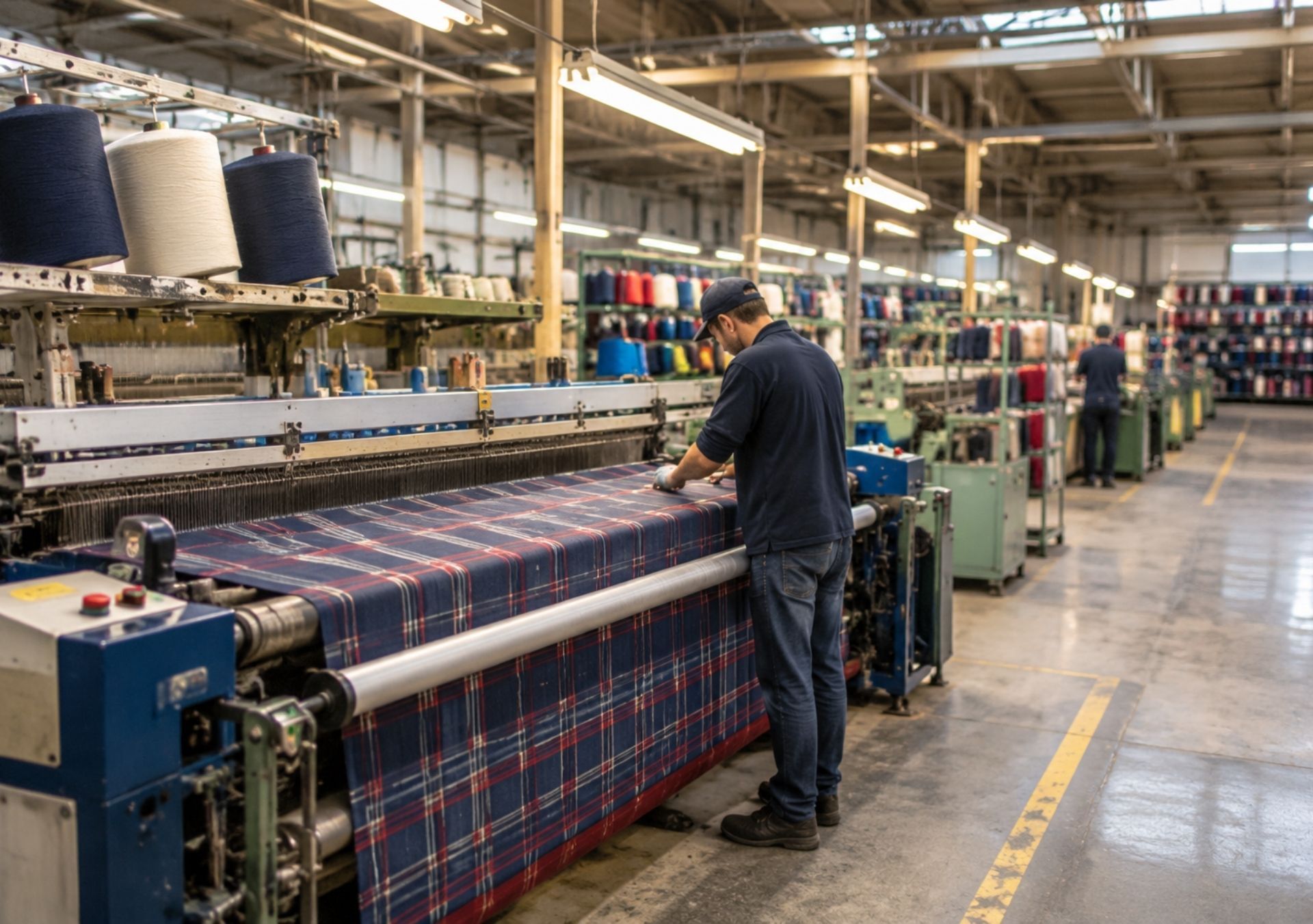
A single sprinkler head bursting over a pallet of undyed cotton can wipe out a quarter's worth of inventory before anyone reaches the shutoff valve. Textile shops in Brooklyn, the Garment District, and the mill towns of the Mohawk Valley face that kind of loss alongside lawsuits, injured operators, and ransomware that freezes order systems. If you're asking what insurance a New York textile manufacturer needs, the honest answer is "more than a basic business owner's policy," and the reasons are specific to how fabric gets made, stored, and shipped.
This guide breaks down the coverage lines that matter most: property, liability, workers' compensation and disability, cyber, and commercial auto. You'll see where standard policies leave gaps, which New York rules carry penalties, and how 2026 regulatory changes affect your premiums. One thing to keep in mind: carriers underwriting textile risks look closely at dust control, sprinkler systems, and machine guarding. The better you understand your exposures, the better your position at renewal.
The Risk Landscape for New York Textile Manufacturing
Textile production stacks several hazards in one building. Lint and fiber dust are combustible, dyeing operations involve chemicals, and high-speed looms, cutters, and sergers cause amputations and repetitive strain injuries. Add tight delivery windows for retail and apparel clients, and a single disruption ripples through your whole customer list.
Geography shapes your risk profile too. A cut-and-sew shop in a Manhattan loft deals with shared-building fire exposure, higher property values, and steeper liability verdicts. An upstate knitting mill may own its building outright but face heavier snow loads, older electrical systems, and longer fire department response times. NYC premiums typically run higher for liability and auto, while upstate facilities often see more property scrutiny.
The common client mistake? Buying coverage based on last year's operation. If you added a digital printing line, started private-label work, or hired ten seasonal sewers, your policy may no longer match your actual exposure.
Protecting Assets: Property and Equipment Coverage
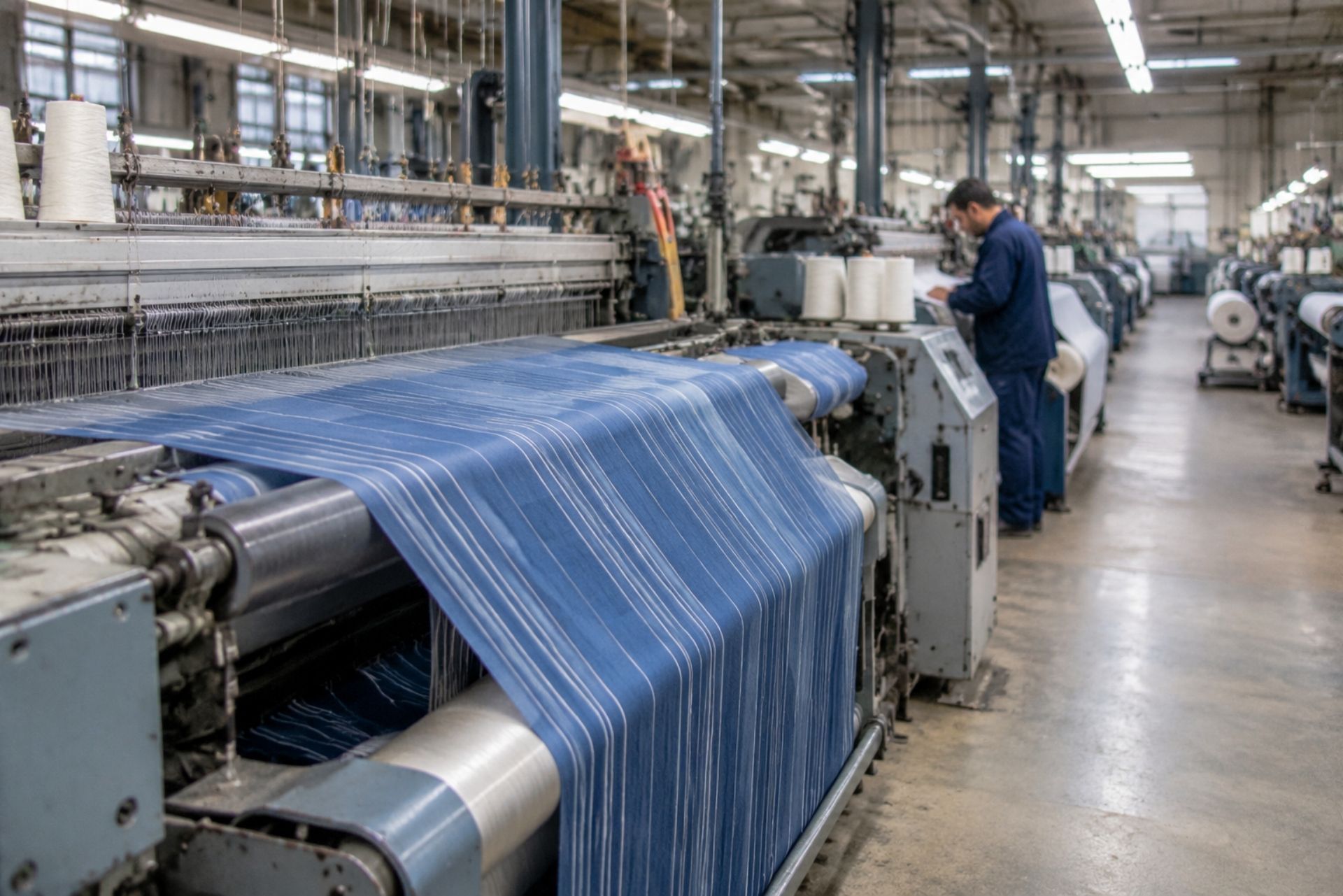
Commercial property insurance covers your building (if you own it), your machinery, inventory, and improvements you've made to a leased space. For textile operations, the details inside the policy matter more than the headline limit.
Safeguarding Loom Machinery and Raw Materials
Standard property forms cover fire, wind, and theft, but they often exclude mechanical breakdown. When a jacquard loom's motor burns out or a power surge fries a computerized embroidery controller, you need equipment breakdown coverage. Many imported machines carry long lead times for replacement parts, so ask for expediting expense coverage too.
Watch these items closely:
- Valuation method: Replacement cost pays to buy new equipment; actual cash value deducts depreciation, which can gut a claim on older looms.
- Inventory peaks: If stock doubles before fall shipping, a peak season endorsement prevents underinsurance.
- Customer-owned goods: Fabric you're processing for a client isn't yours. You need bailee's customers coverage to protect it.
- Coinsurance: Insure to at least 80 to 100 percent of value, or the carrier can reduce your payout.
Business Interruption for Production Downtime
Business income coverage replaces lost profit and pays ongoing expenses like rent and payroll while you rebuild. Picture a dye house fire that shuts production for four months: without this coverage, your lender still wants payments and your best seamstresses take jobs elsewhere. Add contingent business interruption if a single yarn supplier or finishing contractor could halt your output, and confirm the waiting period and restoration period fit realistic rebuild timelines.
Liability Essentials: General and Product Liability
General liability (GL) and product liability get confused constantly, and that confusion creates gaps. GL covers injuries and property damage tied to your premises and operations, such as a buyer slipping on fabric scraps during a showroom visit. Product liability, usually included in a GL policy under "products-completed operations," covers harm caused by what you make after it leaves your control.
| Coverage | What It Covers | Textile Example |
|---|---|---|
| General Liability | Premises and operations injuries | Visitor trips over a loose bolt of fabric |
| Product Liability | Harm from finished goods | Children's sleepwear fails flammability standards |
| Umbrella | Excess over GL and auto limits | Large verdict after a product-related burn injury |
Product exposure is where textile claims get expensive. Flammable fabrics, skin reactions from dye residues, and recalls of private-label garments can trigger lawsuits plus retailer chargebacks. Note that recall expenses are typically excluded from GL, so ask about a separate product recall policy. Large retailers often require specific limits and additional insured status before they'll place an order.
New York State Requirements: Workers' Comp and Disability
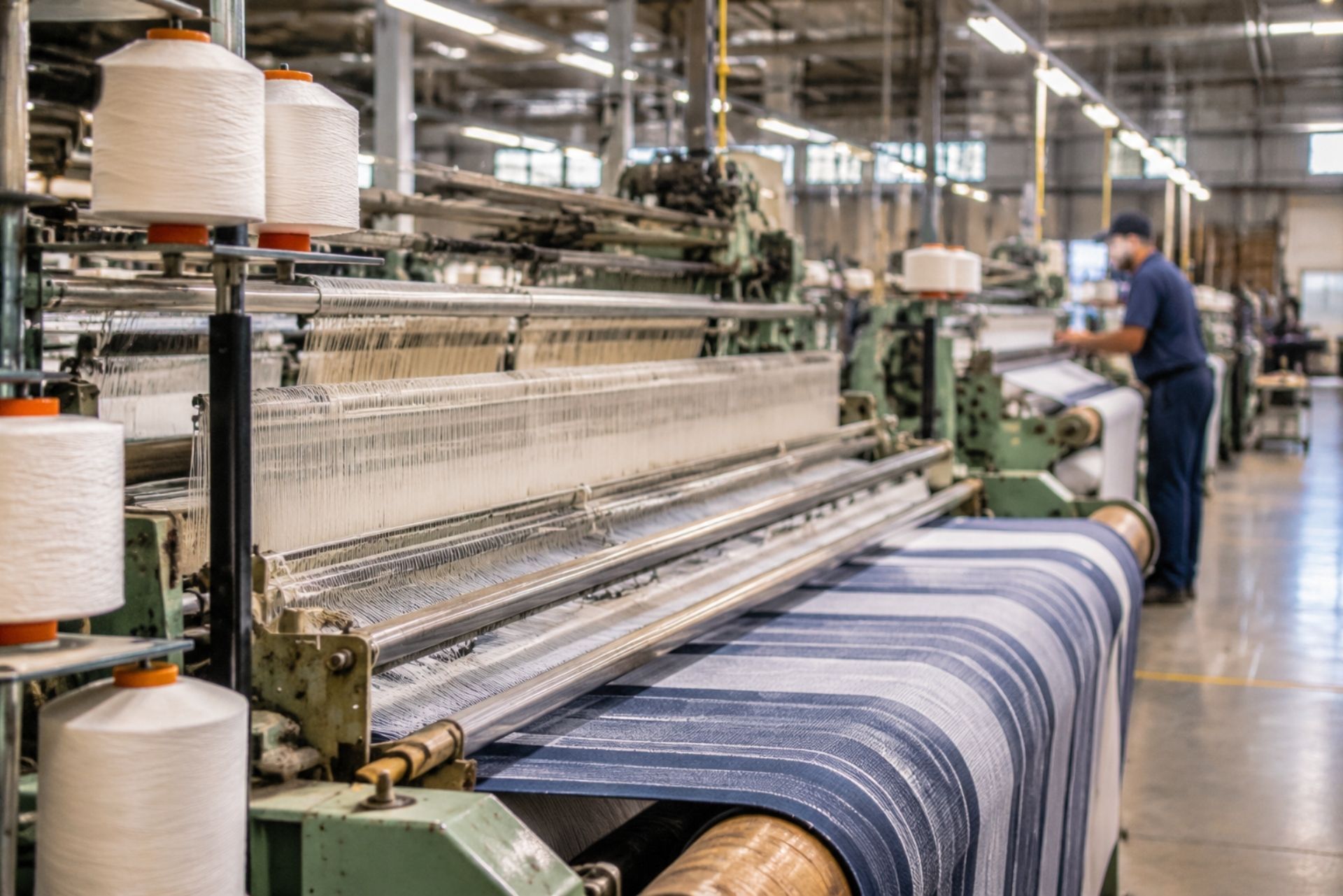
New York requires nearly every employer to carry workers' compensation and disability benefits (DBL) coverage, and the state also mandates Paid Family Leave (PFL). Penalties for lapses are steep, and the Workers' Compensation Board can issue stop-work orders. This is the one area of a textile company's insurance program where you have no choice.
Some good news for 2026: New York employers are projected to save over $1 billion annually from a 22% average decrease in loss cost rates effective October 1, 2026. Don't assume your premium drops automatically, though. Your experience modification, class codes, and payroll still drive the final number. The Board also set the employer assessment rate at 7.0% for the 2026 calendar year, which appears as a surcharge on your policy.
Benefit levels are shifting too. As of July 2026, the minimum weekly benefit is indexed to one-fifth of the state average weekly wage. For PFL, the 2026 employee contribution is 0.432% of gross wages, with a maximum weekly benefit of $1,228.53. The annual employee contribution caps at $411.91.
A common mistake: misclassifying sewing machine operators under clerical codes. Auditors catch it, and the back-premium bill arrives at the worst time.
Specialized Risk: Cyber Liability and Commercial Auto
These two lines often get skipped by smaller mills. Both can produce six-figure losses quickly.
Why Fabric Manufacturers Need Cyber Protection
Your CAD pattern files, ERP system, and EDI connections with retailers are all targets. Ransomware that locks production scheduling can stop your floor as effectively as a fire. Business email compromise is also common: a fraudster spoofs a yarn supplier's invoice, and your bookkeeper wires payment to a fake account.
Underwriting has tightened. As of April 2026, cyber carriers in New York have moved from simple questionnaires to forensic-level audits of your security controls. Expect questions about multifactor authentication, offline backups, and endpoint detection. Confirm your policy includes:
- Ransomware and extortion coverage
- Business interruption from network outages
- Social engineering and funds transfer fraud
- Breach notification and legal costs
Insuring Delivery Vans and Logistics Fleets
Vehicles titled to your business need commercial auto coverage. Personal auto policies typically exclude business use. New York sets minimum commercial liability limits of $25,000 per person and $50,000 per accident for bodily injury, plus $10,000 for property damage. Those minimums won't cover a serious crash on the BQE. Most manufacturers carry much higher limits and an umbrella.
If employees run errands in their own cars, add hired and non-owned auto coverage. Inland marine or motor truck cargo coverage protects finished goods in transit.
Comparison: Basic vs. Comprehensive Coverage Packages
A bare-minimum program keeps you legal. A comprehensive one keeps you in business.
| Coverage Area | Basic Package | Comprehensive Package |
|---|---|---|
| Property | Building and contents, ACV | Replacement cost plus equipment breakdown |
| Business Income | Often missing | Included, with contingent BI |
| Liability | GL at standard limits | GL, product recall, umbrella |
| Workers' Comp/DBL/PFL | State-mandated | Mandated plus employer's liability limits raised |
| Cyber | None | Ransomware, BI, social engineering |
| Auto | State minimums | Higher limits, non-owned, cargo |
The basic package might look affordable until a claim exposes what's missing. Here's what that means for you: price the comprehensive option at least once so you can make an informed tradeoff.
Common Questions About Textile Business Insurance
Is a business owner's policy (BOP) enough for a textile shop? Usually not. Many carriers won't write manufacturing with heavy machinery on a BOP, and BOPs rarely include equipment breakdown or product recall.
Do I need workers' comp if I only have part-time sewers? Yes. New York requires coverage for part-time employees, and DBL and PFL apply too.
Will the October 2026 rate cut lower my premium? Possibly. The statewide loss cost decrease helps, but your payroll, class codes, and claims history still determine your final cost.
Does general liability cover a product recall? Typically no. Recall expenses usually require a separate policy.
What if my supplier's factory shuts down? Contingent business interruption can cover lost income when a key supplier can't deliver.
Are my client's fabrics covered while in my shop? Only if you carry bailee's customers coverage or a similar endorsement.
Making the Right Choice for Your Facility
The right textile manufacturing insurance program starts with an honest inventory of your operation: what you own, what you hold for others, who works on your floor, and where your goods travel. Workers' compensation, DBL, and PFL are non-negotiable in New York. Property with equipment breakdown, solid liability limits, cyber, and adequate auto coverage protect everything else you've built.
Take these next steps before your renewal:
- Update your equipment schedule and inventory values.
- Review class codes and payroll for accuracy ahead of the October 2026 rate change.
- Document cyber controls like MFA and backups before underwriters ask.
- Check retailer contracts for required limits and additional insured wording.
Work with an independent agent who understands manufacturing risks, and ask them to show you exactly where your current policies fall short. Coverage gaps are cheapest to fix before the loss, never after.
ABOUT THE AUTHOR:
JELANI FENTON
As Owner of EG Bowman, I’m dedicated to continuing a legacy of trust and excellence built over more than seven decades. My focus is on helping businesses and individuals secure reliable, forward-thinking insurance solutions that protect their assets and support long-term growth.
Contact Us
OUR SERVICES
New York Business Insurance Coverage
General Liability Insurance


Workers Comp Insurance
Commercial Property Insurance
Commercial Auto Insurance
Commercial Umbrella Insurance
Business Owner's Policy
OUR SERVICES
New York Personal Insurance Coverage
Auto Insurance
Get coverage for your car and protect yourself on the road. We provide options for accidents, damages, and more.
Home Insurance
Protect your home and belongings with coverage for damages, theft, and unexpected events.
Umbrella Insurance
Extend your coverage with umbrella insurance for extra protection when you need it most.
Condo Insurance
Get peace of mind with condo insurance that protects your space and personal belongings.
NEW YORK BUSINESSES WE WORK WITH
Industries We Serve In New York
Electrician Insurance
Get coverage that protects electricians from accidents, property damage, and liability risks. Keep your tools, equipment, and business safe with plans designed for your needs. Request a quote to stay covered and focused on your work.
Real Estate Developer Insurance
Protect your projects with insurance that covers construction risks, liability, and property damage. We offer plans to keep your developments secure and on track. Get a quote to ensure your business is protected.
Wholesaler and Distributor Insurance
Protect your inventory and business operations with insurance that covers property damage and liability risks. Keep your supply chain running without disruptions. Get a quote to safeguard your business today.
What is an independent insurance agency, and how does it differ from a traditional insurance company?
An independent insurance agency works with multiple insurance carriers instead of just one. This allows us to provide customized coverage options tailored to your needs, rather than offering a one-size-fits-all policy. Independent agencies focus on finding the best value and coverage for their clients by comparing policies across various providers. At EG Bowman, we pride ourselves on offering personalized service and expertise to ensure our clients get the coverage that fits their specific needs.
What types of insurance does EG Bowman offer?
EG Bowman offers a wide range of insurance solutions, including commercial insurance, personal lines, property insurance, liability insurance, and specialized policies tailored to niche industries. Our focus is on protecting businesses and individuals from unforeseen risks. Whether you're looking for coverage for your home, car, or business, our team works to provide the most comprehensive and competitive options available. We’re here to make sure you’re prepared for the unexpected.
How does EG Bowman help businesses with insurance?
We specialize in understanding the unique risks businesses face and crafting insurance solutions to address them. From general liability to workers' compensation and industry-specific policies, our team ensures your business is protected at every level. We also provide risk management consultations to identify potential vulnerabilities and recommend solutions. With decades of experience, EG Bowman acts as a trusted partner, helping businesses navigate their insurance needs confidently.
Why should I choose EG Bowman as my insurance agency?
At EG Bowman, we combine decades of expertise with a client-focused approach to provide unparalleled service. Unlike larger, faceless companies, we build long-term relationships with our clients, offering personalized advice and solutions. We prioritize your needs, shop for the best rates, and advocate on your behalf when it comes to claims. Our goal is to be your trusted advisor in navigating insurance complexities and ensuring peace of mind.
How can I get a quote for insurance through EG Bowman?
Getting a quote with EG Bowman is simple and hassle-free. You can call us directly at 212-425-8150 or email us at info@egbowman.com to discuss your insurance needs. Our team will gather information about your situation and compare policies from multiple carriers to provide the best options. Whether it’s personal or business insurance, we ensure the process is transparent, efficient, and tailored to you.
Does EG Bowman offer insurance for small businesses?
Yes, EG Bowman specializes in working with small businesses. We understand the unique challenges small businesses face, from managing risks to staying within budget. Our insurance solutions cover everything from general liability to property insurance and more. By tailoring policies to fit your specific needs, we ensure your small business is well-protected while keeping costs manageable.
FAQS PAGE
Frequently Asked Questions
We understand you may have questions about our insurance services and how we can help protect what matters most to you. Below, you'll find answers to some of the most common questions we receive. If you don’t see the information you’re looking for, feel free to reach out to us directly. Our team is here to assist you with personalized advice and solutions.
NEWS & BLOG
Explore Our New York Insurance Blog

Contact Us